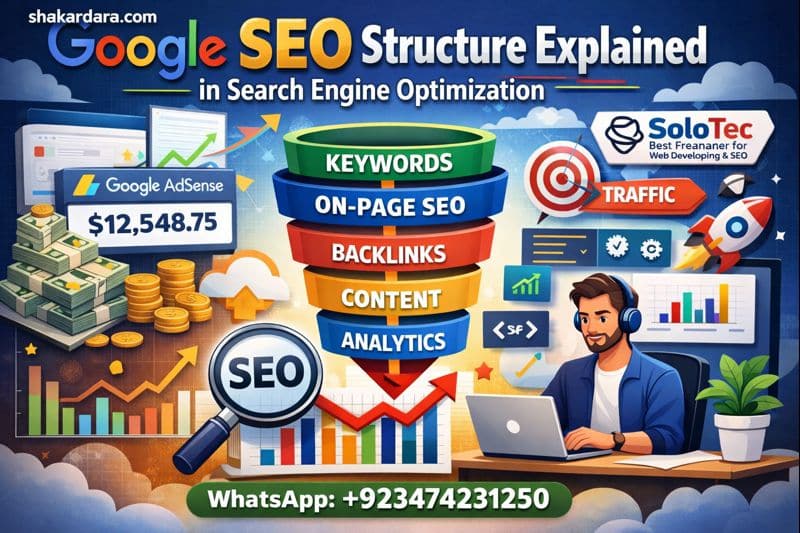
Search Engine Optimization Hacks for Faster Google Ranking helps businesses improve their online visibility and attract more visitors. Today, every website needs strong optimization methods to achieve better positions on Google. Therefore, businesses must understand modern SEO practices and apply smart strategies. Shakardara provides free consultations for web development, Google SEO, content writing, Google SEO ranking, search engine optimization, and monthly maintenance services for worldwide clients at affordable prices.
Search Engine Optimization Hacks for Faster Google Ranking explains powerful strategies that help websites improve visibility, attract organic traffic, and achieve better positions on Google. This detailed guide covers modern SEO techniques, including keyword research, content optimization, technical SEO, website speed improvement, mobile optimization, backlink building, and user experience enhancement.
Businesses today need effective Search Engine Optimization methods to compete in digital markets. Therefore, this article provides step-by-step solutions for improving website performance and building stronger online authority. It explains how proper SEO planning, quality content, and continuous website improvements support better results.
Google SEO Services. Google SEO Ranking Factors in Search Engine Optimization SEO
Moreover, readers can discover practical Faster Google Ranking techniques that help websites perform better in search results. The guide also highlights the importance of regular maintenance, analytics tracking, security improvements, and updated SEO strategies.
Search Engine Optimization Hacks for Faster Google Ranking
Shakardara provides free consultations for web development, Google SEO, content writing, SEO ranking improvement, search engine optimization, and monthly maintenance services for worldwide clients at affordable prices. Businesses can use professional support to improve their online presence and achieve sustainable growth.
This article is designed for website owners, entrepreneurs, marketers, and anyone who wants to understand effective SEO Hacks for Faster Ranking methods. By applying these strategies, businesses can create stronger websites, improve user experience, and develop long-term digital success through modern SEO practices.
Moreover, successful websites require proper planning, technical improvements, quality content, and continuous monitoring. Search Engine Optimization helps websites gain trust and reach the right audience. In addition, Faster Google Ranking depends on website structure, keyword usage, user experience, and valuable information.
Furthermore, businesses can use professional guidance to improve website performance. Shakardara supports clients with practical SEO solutions and digital growth strategies. Therefore, this article explains step-by-step methods to improve rankings and build a stronger online presence.
Understanding Search Engine Optimization Basics
Search Engine Optimization starts with understanding how Google evaluates websites. Basically, Google uses many ranking factors to decide which pages appear first. Therefore, website owners must create pages that provide value to users.
Moreover, SEO includes technical improvements, content optimization, link building, and user experience. These areas work together to increase website authority. Furthermore, businesses should focus on long-term strategies instead of quick methods.
A strong SEO foundation improves visibility and attracts organic traffic. In addition, proper optimization helps websites compete with larger brands. Therefore, every business should learn basic SEO principles before applying advanced techniques.
Search Engine Optimization requires patience and consistency. However, correct methods can create sustainable growth. Consequently, websites with optimized structures often achieve better performance in search results.
Building a Strong Website Structure
A strong website structure helps Google understand website pages easily. Therefore, businesses should organize content with clear categories and simple navigation.
Moreover, websites should use proper headings, internal links, and clean URLs. These elements improve user experience and help search engines crawl pages effectively.
Furthermore, mobile-friendly design plays an important role in rankings. Today, many users access websites through smartphones. Therefore, websites must provide fast loading and responsive layouts.
A well-structured website also improves visitor engagement. In addition, users can find information quickly without confusion. As a result, Google receives positive signals from better user behavior.
Google SEO Ranking improves when websites follow proper structural practices. Therefore, businesses should regularly check their website organization and fix technical problems.
Creating SEO-Friendly Content Strategy
Content remains one of the strongest factors for online success. Therefore, businesses should create useful content that answers user questions.
Moreover, content should include relevant keywords naturally. Keyword placement helps Google understand the topic of each page. However, businesses should avoid excessive keyword usage.
Furthermore, quality content builds trust among visitors. Users prefer websites that provide clear answers and helpful solutions. Therefore, valuable content increases engagement and encourages visitors to return.
A successful content strategy includes blogs, guides, service pages, and informative articles. In addition, regular updates keep websites fresh and competitive.
SEO Hacks for Faster Ranking include creating content that matches search intent. Therefore, businesses should understand what users need before writing content.
Optimizing Website Speed for Better Results
Website speed directly affects user experience and ranking performance. Therefore, businesses should improve loading times to keep visitors engaged.
Moreover, slow websites often lose potential customers. Users prefer websites that open quickly and provide smooth navigation. Therefore, speed optimization becomes an important SEO activity.
Furthermore, businesses should optimize images, reduce unnecessary scripts, and improve hosting performance. These actions help websites load faster.
In addition, technical improvements support better crawling and indexing. Google prefers websites that provide positive experiences.
Faster Google Ranking requires continuous website improvement. Therefore, businesses should regularly test speed and solve performance issues.
For professional consultation about SEO improvements, web development, and website maintenance services, contact Shakardara through WhatsApp #: +923474231250.
Improving Keyword Research for Better Visibility
Keyword research helps businesses discover what users search on Google. Therefore, companies should select keywords that match their services and audience needs.
Moreover, proper keywords improve content relevance and search visibility. Businesses should analyze popular phrases and understand customer intentions before creating pages.
Furthermore, keyword research helps identify opportunities with lower competition. These opportunities allow smaller websites to compete effectively.
A successful keyword strategy uses primary keywords, related terms, and natural phrases. Therefore, websites should avoid forcing keywords into sentences.
In addition, businesses should place keywords in titles, headings, descriptions, and content sections. This approach helps Google understand page topics.
Search Engine Optimization improves when businesses use accurate keyword planning. Therefore, every SEO campaign should begin with detailed keyword research.
Applying On-Page SEO Techniques
On-page SEO focuses on improving individual website pages. Therefore, businesses should optimize every important element on their pages.
Moreover, page titles should clearly describe the content. Meta descriptions should encourage users to click. Furthermore, headings should organize information properly.
Images should include descriptive names and alternative text. Therefore, search engines can understand visual content better.
In addition, internal links connect related pages and improve website navigation. These links help users discover more information.
Content formatting also affects user experience. Therefore, businesses should use short paragraphs, clear headings, and readable sentences.
Google SEO Ranking improves when pages follow proper on-page optimization methods. Therefore, businesses should review pages regularly and update outdated information.
Creating High-Quality Backlinks
Backlinks remain an important ranking factor for many websites. Therefore, businesses should focus on earning links from trusted sources.
Moreover, quality matters more than quantity. A few strong backlinks can provide more value than many poor links.
Furthermore, businesses can create useful resources that other websites want to reference. These resources may include guides, research, and helpful articles.
Guest posting and digital partnerships can also support link growth. Therefore, businesses should build relationships within their industries.
However, websites should avoid harmful link-building practices. Low-quality links can damage website authority.
Faster Google Ranking becomes easier when websites gain trustworthy backlinks. Therefore, businesses should create valuable content that naturally attracts references.
Improving User Experience Signals
User experience influences how visitors interact with websites. Therefore, businesses should create simple and comfortable browsing experiences.
Moreover, websites should provide clear menus and easy navigation. Visitors should find information without unnecessary steps.
Furthermore, websites should improve readability with proper spacing and organized sections. This approach keeps users engaged.
Page experience also includes mobile performance and loading speed. Therefore, businesses should test websites on different devices.
In addition, reducing distractions improves visitor satisfaction. Users prefer websites that focus on helpful information.
SEO Hacks for Faster Ranking include improving user experience. Therefore, businesses should analyze visitor behavior and make continuous improvements.
Using Technical SEO Improvements
Technical SEO helps search engines crawl and understand websites. Therefore, businesses should maintain a healthy website structure.
Moreover, websites need proper indexing settings. Incorrect settings can prevent important pages from appearing in search results.
Furthermore, businesses should create XML sitemaps and check broken links. These actions help search engines discover website content.
Website security also affects trust. Therefore, businesses should use secure connections and maintain updated systems.
Search Engine Optimization becomes stronger when technical elements work correctly. Therefore, businesses should combine technical improvements with quality content.
Creating Content That Matches Search Intent
Search intent explains why users search for specific information. Therefore, businesses should understand user goals before creating content.
Moreover, content should answer questions clearly and directly. Users should receive useful information without searching elsewhere.
Furthermore, Google rewards pages that satisfy visitors. Therefore, businesses should focus on helpful solutions rather than only promotional messages.
Different searches require different content types. Some users need guides, while others need service information.
In addition, businesses should update content when information changes. Fresh content improves reliability and relevance.
Faster Google Ranking depends on matching user expectations. Therefore, businesses should create content based on real customer needs.
Optimizing Mobile SEO Performance
Mobile SEO plays an important role in modern website success. Therefore, businesses must ensure websites work properly on smartphones and tablets.
Moreover, Google focuses strongly on mobile-friendly experiences. Websites that provide smooth mobile browsing often perform better.
Furthermore, responsive design helps pages adjust to different screen sizes. This approach improves user satisfaction and reduces visitor frustration.
Businesses should also optimize mobile loading speed. Slow pages can reduce engagement and increase visitors leaving quickly.
In addition, mobile navigation should remain simple and clear. Users should access information without difficulty.
Google SEO Ranking improves when websites provide excellent mobile experiences. Therefore, businesses should test mobile performance regularly and fix technical issues.
Improving Local SEO Strategies
Local SEO helps businesses attract customers from specific areas. Therefore, companies should optimize their online presence for local searches.
Moreover, businesses should create accurate location information across online platforms. Correct details improve trust and visibility.
Businesses should also create location-based content. This content helps search engines understand service areas.
In addition, local keywords support better targeting. Therefore, businesses can reach users searching for nearby services.
Search Engine Optimization includes local optimization for businesses that serve specific regions. Therefore, companies should maintain updated business information.
Using Analytics for SEO Growth
SEO success requires regular tracking and analysis. Therefore, businesses should monitor website performance through reliable tools.
Moreover, analytics show which pages attract visitors and which pages need improvement. This information supports better decisions.
Furthermore, businesses can identify traffic sources and user behavior patterns. These insights help improve content strategies.
Tracking rankings also reveals keyword performance. Therefore, businesses can adjust their optimization methods.
SSL certificates also improve website trust. Therefore, websites should use secure connections.
In addition, security improvements support professional brand image. Visitors feel more comfortable using reliable websites.
Faster Google Ranking depends on many factors, including website safety. Therefore, businesses should combine security with SEO strategies.
Creating Effective Internal Linking
Internal linking connects different pages within the same website. Therefore, businesses should create logical connections between related content.
Moreover, internal links help visitors discover more information. This improves engagement and increases time spent on websites.
Furthermore, search engines use internal links to understand website structures. Therefore, proper linking supports better crawling.
Businesses should use meaningful anchor text for internal links. Clear anchor text improves understanding.
In addition, internal linking distributes page authority across websites. Therefore, important pages can receive more visibility.
Search Engine Optimization becomes more effective with organized internal linking. Therefore, businesses should review and improve link structures regularly.
Maintaining Regular SEO Updates
SEO requires continuous improvement because search trends change frequently. Therefore, businesses should update their strategies regularly.
Moreover, Google changes ranking systems to improve search quality. Businesses must follow modern optimization practices.
Furthermore, outdated content can lose visibility. Regular updates keep information useful and competitive.
Businesses should review keywords, content, and technical settings. Therefore, they can identify new improvement opportunities.
In addition, monthly website maintenance helps prevent performance problems.
Google SEO Ranking improves when businesses maintain consistent optimization efforts. Therefore, SEO should become a long-term business activity.
Using Social Media Support for SEO
Social media can support website visibility and brand awareness. Therefore, businesses should share useful content across social platforms.
Moreover, social sharing can increase website exposure. More visibility can create additional traffic opportunities.
Furthermore, social platforms help businesses connect with audiences. These connections can increase trust and recognition.
Businesses should share blogs, services, and helpful information. Therefore, users can discover website content easily.
In addition, strong branding supports online authority. A trusted brand often receives better engagement.
Faster Google Ranking requires complete digital marketing support. Therefore, businesses should combine SEO with effective online promotion.
Applying Advanced SEO Optimization Methods
Advanced SEO methods help websites achieve stronger visibility in competitive markets. Therefore, businesses should use advanced techniques after creating a strong foundation.
Moreover, structured data helps search engines understand website information. This method can improve how pages appear in search results.
Furthermore, businesses should optimize featured snippets opportunities. Clear answers and organized content can increase visibility.
Websites should also improve content depth and relevance. Therefore, detailed information can satisfy user searches better.
In addition, businesses should focus on semantic SEO. This approach helps Google understand topics instead of only individual keywords.
Search Engine Optimization becomes more powerful when businesses apply advanced strategies. Therefore, continuous learning and improvement remain important for long-term success.
Optimizing Images and Visual Content
Images improve website appearance and user engagement. Therefore, businesses should optimize visual content for better performance.
Moreover, large image files can slow websites. Businesses should compress images without reducing quality.
Furthermore, descriptive image names help search engines understand visual information. Alternative text also improves accessibility.
Businesses should use relevant images that support content topics. Therefore, visitors receive a better experience.
In addition, optimized images can appear in image search results. This creates more opportunities for website traffic.
SEO Hacks for Faster Ranking include proper image optimization. Therefore, businesses should review all website visuals regularly.
Improving Content Freshness and Authority
Fresh content helps websites maintain relevance. Therefore, businesses should update existing pages with new information.
Moreover, updated content shows users that websites provide current solutions. This increases trust and engagement.
Furthermore, authority grows when websites consistently publish valuable information. Businesses should create helpful resources regularly.
Expert knowledge should guide content creation. Therefore, websites can build stronger credibility.
In addition, businesses should remove outdated information. Clean and accurate content improves user satisfaction.
Google SEO Ranking improves when websites demonstrate expertise and reliability. Therefore, businesses should focus on quality over unnecessary content volume.
Avoiding Common SEO Mistakes
Many businesses lose rankings because of avoidable mistakes. Therefore, companies should understand common SEO problems.
Moreover, keyword stuffing can damage content quality. Businesses should use keywords naturally.
Furthermore, duplicate content can reduce search visibility. Websites should create original information.
Ignoring mobile users also creates problems. Therefore, businesses should prioritize responsive design.
In addition, broken links and outdated pages affect user experience. Regular website checks can solve these issues.
Faster Google Ranking requires correct strategies and careful management. Therefore, businesses should avoid shortcuts that harm long-term growth.
Building a Long-Term SEO Plan
SEO success requires planning and consistency. Therefore, businesses should create clear goals before starting optimization.
Moreover, a long-term plan includes content creation, technical improvements, and performance tracking.
Furthermore, businesses should review SEO progress regularly. This helps identify successful methods and areas needing improvement.
A strong SEO plan also considers customer needs. Therefore, websites can create content that supports users.
In addition, professional SEO guidance can save time and resources. Experts can identify problems and provide effective solutions.
Search Engine Optimization works best with continuous effort. Therefore, businesses should treat SEO as an ongoing growth strategy.
Understanding the Future of SEO
SEO continues to change with technology and user behavior. Therefore, businesses must adapt to new search trends.
Moreover, artificial intelligence and advanced search systems influence online visibility. Websites should focus on helpful and accurate content.
Furthermore, user experience will remain a major ranking factor. Businesses should improve speed, design, and usability.
Voice search and conversational searches are also growing. Therefore, websites should create natural and question-based content.
In addition, trust and authority will become more important. Businesses should build strong digital reputations.
Faster Google Ranking depends on adapting to future SEO changes. Therefore, businesses should continue improving their online strategies.
Complete SEO Checklist for Better Rankings
A complete SEO checklist helps businesses manage optimization tasks. Therefore, companies should review important areas regularly.
Moreover, businesses should check keywords, content quality, website speed, and mobile performance.
Furthermore, technical SEO should receive regular attention. Website errors can reduce visibility.
Businesses should monitor backlinks and remove harmful connections. Therefore, website authority remains protected.
In addition, analytics should guide future improvements. Data helps businesses make smarter decisions.
Google SEO Ranking improves when businesses follow a complete optimization process. Therefore, consistent monitoring creates better long-term results.
How Shakardara Supports Online Growth
Shakardara provides professional support for businesses seeking better online visibility. Therefore, clients can receive guidance for website improvement and digital growth.
Moreover, Shakardara offers free consultations for web development, Google SEO, content writing, SEO ranking, search engine optimization, and monthly maintenance services.
Furthermore, affordable solutions help worldwide clients improve their online presence. Businesses can access practical strategies without high costs.
The focus remains on quality service, modern techniques, and sustainable growth. Therefore, businesses can improve their websites with confidence.
In addition, continuous support helps websites stay updated and competitive.
Search Engine Optimization requires expertise, patience, and proper implementation. Therefore, Shakardara helps businesses achieve stronger digital performance.
Final Steps for Achieving Better Google Visibility
Achieving better Google visibility requires consistent effort and smart planning. Therefore, businesses should follow proven SEO methods and avoid short-term shortcuts.
Moreover, successful websites focus on users first. When websites provide valuable information, visitors stay longer and interact more.
Furthermore, businesses should combine technical improvements with quality content. Both areas support stronger online performance.
Regular updates also help websites remain competitive. Therefore, businesses should monitor trends and adjust strategies.
In addition, professional support can improve SEO results. Experts understand ranking factors and provide practical solutions.
SEO Hacks for Faster Ranking include content improvement, technical optimization, and user-focused strategies. Therefore, businesses should apply these methods consistently for better growth.
Measuring SEO Success Through Performance Reports
SEO reports help businesses understand their progress. Therefore, companies should review important website data regularly.
Moreover, reports show traffic changes, keyword performance, and user engagement. These details help businesses make better decisions.
Furthermore, performance tracking identifies successful strategies. Businesses can continue methods that produce positive results.
Reports also reveal problems that need attention. Therefore, businesses can fix issues before they affect rankings.
In addition, SEO monitoring supports long-term planning. Data-based decisions create stronger marketing results.
Google SEO Ranking improves when businesses measure performance and improve continuously. Therefore, tracking should remain part of every SEO campaign.
Creating a Strong SEO Maintenance Routine
SEO maintenance keeps websites healthy and competitive. Therefore, businesses should create a regular optimization schedule.
Moreover, websites need frequent checks for broken links, outdated content, and technical issues.
Furthermore, keyword performance should receive regular review. Search trends change, and businesses should update their strategies.
Content updates also improve website value. Therefore, businesses should refresh important pages.
In addition, security checks protect website performance. A safe website creates better user trust.
Monthly maintenance helps prevent ranking problems. Therefore, businesses should invest in continuous website improvement.
Search Engine Optimization requires regular attention. Therefore, businesses should maintain their websites for stable online growth.
Building Trust With Search Engines and Users
Trust is an important part of online success. Therefore, businesses should create reliable websites with useful information.
Moreover, users prefer websites that provide honest and clear solutions. This improves engagement and brand reputation.
Furthermore, search engines evaluate website quality through different signals. Businesses should focus on providing real value.
Clear information, secure browsing, and professional content improve trust. Therefore, websites can develop stronger authority.
In addition, customer feedback can support credibility. Positive experiences encourage more users to choose a business.
Faster Google Ranking becomes achievable when websites build trust naturally. Therefore, businesses should focus on quality relationships with users.
Complete Summary of SEO Ranking Hacks
Search engine success depends on many connected strategies. Therefore, businesses should understand that SEO is a complete process.
Moreover, keyword research helps websites target the right audience. Content optimization improves relevance and user satisfaction.
Furthermore, technical SEO supports better crawling and website performance. Mobile optimization improves accessibility.
Quality backlinks increase authority and credibility. Therefore, businesses should build relationships and create valuable resources.
In addition, regular monitoring helps improve results. SEO requires testing, learning, and updating.
Search Engine Optimization Hacks for Faster Google Ranking provide a roadmap for businesses that want better visibility. Therefore, applying these techniques can support long-term digital growth.
In Conclusion of Search Engine Optimization Hacks for Faster Google Ranking
Search Engine Optimization Hacks for Faster Google Ranking provide effective methods for improving website performance. Therefore, businesses should focus on smart SEO practices that create sustainable results.
Moreover, successful SEO requires strong content, technical improvements, user experience, and regular updates. These elements work together to increase online visibility.
Furthermore, businesses should understand that Google ranking does not happen instantly. Consistent effort creates stronger authority and better performance.
In addition, professional guidance can simplify the optimization process. Shakardara helps worldwide clients with web development, Google SEO, content writing, ranking improvements, search engine optimization, and monthly maintenance services.
A successful website requires continuous improvement and proper strategies. Therefore, businesses should invest in methods that support long-term growth.
Search Engine Optimization remains one of the most powerful ways to reach customers online. Therefore, businesses that apply effective SEO techniques can build stronger digital success.
Google SEO and Search Engine Optimization Explained Simply helps businesses understand how websites gain visibility online. Today, every business needs a strong digital presence. Therefore, Google SEO helps websites appear in search results. Moreover, search engine optimization improves website quality and user experience. Shakardara provides free consultations for web development, Google SEO, content writing, ranking improvement, and website maintenance services.
Google SEO and Search Engine Optimization Explained Simply
Furthermore, businesses worldwide can get affordable solutions to grow online. This complete guide explains SEO steps in simple language. Also, it shows how websites can achieve better rankings through smart optimization methods. However, SEO requires consistency, quality content, and proper planning. Therefore, learning SEO basics helps website owners make better decisions.
Understanding Google SEO Basics
Google SEO means improving a website for better visibility on Google search results. Basically, Google checks many website factors before showing pages to users. Therefore, website owners must follow SEO practices carefully. Moreover, good SEO helps websites attract organic visitors without paying for every click.
A website needs proper structure, useful content, and fast performance. Furthermore, Google values websites that provide helpful answers. Therefore, businesses must create content that solves user problems. Also, websites should use clear navigation and mobile-friendly designs.
SEO does not work instantly. However, continuous improvements create long-term results. Moreover, proper optimization builds trust with search engines and users. Therefore, businesses should focus on quality instead of shortcuts.
Shakardara helps businesses understand these methods through professional guidance. Furthermore, affordable SEO solutions can help small businesses compete online. Therefore, learning SEO becomes important for every modern website owner.
How Search Engine Optimization Works
Search Engine Optimization works by improving different parts of a website. First, search engines crawl website pages. Then, they analyze content, structure, and relevance. After that, search engines decide ranking positions.
Google uses advanced systems to understand user searches. Therefore, websites must provide accurate information. Moreover, content should match the search intent of visitors.
SEO includes many important areas. These areas include technical SEO, content optimization, link building, and user experience. Furthermore, each area supports better website performance.
Technical improvements help search engines access pages easily. Also, content improvements help users find valuable information. Therefore, SEO creates a connection between websites and audiences.
Businesses that understand SEO can improve their online growth. Moreover, professional SEO strategies can increase visibility. Therefore, companies should invest time in learning optimization methods.
Importance of Google SEO Ranking
Google SEO Ranking shows the position of a website in Google search results. Higher rankings usually bring more visitors. Therefore, businesses want better positions for important keywords.
Google ranking depends on many factors. First, website content must provide value. Also, websites need proper keyword usage. Furthermore, technical performance affects ranking results.
A slow website can reduce user satisfaction. Therefore, website speed improvement becomes necessary. Moreover, mobile optimization helps websites reach more users.
Quality backlinks also influence ranking strength. However, businesses should focus on natural links. Therefore, avoiding harmful SEO techniques protects website reputation.
Shakardara supports businesses with ranking improvement strategies. Moreover, free consultations help clients understand their SEO needs. Therefore, businesses can choose suitable solutions for online success.
Building a Strong SEO Foundation
A strong SEO foundation starts with proper website planning. First, website owners should understand their audience. Then, they should research useful search terms.
Keyword research helps businesses discover what users search online. Therefore, selecting suitable keywords improves content visibility. Moreover, keywords should appear naturally inside website content.
Website structure also affects SEO performance. Therefore, pages should have clear categories and simple URLs. Furthermore, internal links help users explore more information.
A strong foundation creates better future results. Also, regular updates keep websites competitive. Therefore, businesses should follow a consistent SEO process.
Small improvements can create significant changes over time. Moreover, professional guidance helps avoid common mistakes. Therefore, SEO planning should become part of every website strategy.
Creating SEO-Friendly Website Content
Content plays a major role in SEO success. Therefore, businesses must create helpful and original information. Moreover, content should answer user questions clearly.
Search engines prefer valuable content that improves user experience. Therefore, writers should focus on readers first. Also, content should include proper headings and simple explanations.
Short sentences improve readability. Furthermore, clear paragraphs help visitors understand information quickly. Therefore, content structure affects both users and rankings.
Businesses need regular content updates. Moreover, fresh articles show website activity. Therefore, content marketing supports long-term SEO growth.
Shakardara provides content writing support with SEO-friendly methods. Furthermore, professional writing helps businesses communicate better online. Therefore, quality content becomes a powerful ranking tool.
(Part 2 will continue with H3, H4, H5, H6 sections, keyword optimization, technical SEO, backlinks, local SEO, maintenance, and conclusion while maintaining your required format.)
Google SEO and Search Engine Optimization Explained Simply
Google SEO and Search Engine Optimization Explained Simply helps businesses understand the power of online visibility. Today, every company needs a strong website presence. Therefore, Google SEO becomes important for reaching more customers. Moreover, proper search engine optimization helps websites appear in relevant searches. Shakardara offers free consultations for web development, SEO services, content writing, website ranking, and monthly maintenance solutions. Furthermore, worldwide clients can get affordable digital support.
This guide explains SEO in simple steps. Also, it helps beginners understand how websites grow on Google. However, SEO needs proper planning, useful content, and regular improvements. Therefore, businesses should learn the basic process before applying advanced strategies. Moreover, professional guidance can help avoid common mistakes and improve online performance.
Understanding Google SEO Fundamentals
Google SEO means improving a website so Google can understand and rank its pages. Search engines analyze websites through different signals. Therefore, website owners must improve content, structure, and technical performance.
Google wants to provide useful results to users. Therefore, websites need accurate information and helpful answers. Moreover, websites should create content that matches search intent.
SEO includes different activities. These activities include keyword research, content creation, technical improvements, and link building. Furthermore, every activity supports better visibility.
A good SEO strategy does not depend on one method. Instead, it combines many techniques together. Therefore, businesses should follow a complete approach.
Moreover, SEO helps websites receive visitors naturally. Organic traffic can create long-term business opportunities. Therefore, companies should focus on building a strong online foundation.
How Search Engine Optimization Helps Websites
Search Engine Optimization improves website performance through different optimization methods. First, search engines discover website pages. Then, they analyze the quality and relevance of information. After that, they decide ranking positions.
Therefore, websites must provide valuable content. Moreover, pages should load quickly and work properly on all devices.
SEO helps websites connect with the right audience. For example, users search for specific services or information. A well-optimized website can appear when users need those solutions.
Furthermore, SEO improves user experience. Clear menus, simple layouts, and useful content help visitors stay longer. Therefore, search engines consider these positive signals.
However, SEO requires patience. Results usually improve through continuous work. Therefore, businesses should avoid quick solutions that damage website trust.
Shakardara helps clients understand these SEO methods. Moreover, affordable consultation services guide businesses toward better digital growth.
Importance of Google SEO Ranking
Google SEO Ranking shows where a website appears in Google search results. Higher rankings usually increase website visits. Therefore, businesses work to improve their positions.
Google ranking depends on several factors. First, content quality affects ranking performance. Also, website speed and mobile usability matter. Furthermore, backlinks and website authority influence results.
A higher ranking creates more opportunities. Therefore, businesses can reach more potential customers. Moreover, strong rankings improve brand awareness.
However, ranking requires continuous improvement. Search trends change regularly. Therefore, websites need updated content and technical checks.
Businesses should monitor their SEO progress. Analytics tools help measure traffic and performance. Moreover, these reports show areas that need improvement.
Shakardara provides SEO guidance for businesses that want better visibility. Therefore, professional support can simplify the ranking process.
Creating a Strong SEO Website Structure
A strong website structure supports better SEO results. First, websites need clear navigation. Users should find information easily. Therefore, simple menus improve user experience.
Moreover, search engines understand organized websites better. Pages should have proper categories and logical connections. Therefore, internal linking becomes important.
A good structure includes optimized URLs. Short and meaningful URLs help users understand pages. Furthermore, headings organize content clearly.
Website owners should also improve technical elements. These include page speed, mobile design, and security features. Therefore, technical SEO supports better website performance.
A strong structure creates a better foundation. Moreover, it helps future content perform well. Therefore, businesses should build websites with SEO in mind from the beginning.
Using Keywords Correctly for SEO Success
Keywords help search engines understand website topics. Therefore, businesses should select keywords carefully. Moreover, keywords should match what users search online.
Keyword placement matters for SEO. However, businesses should avoid keyword stuffing. Natural usage creates better reading experiences.
Furthermore, keywords should appear in important areas. These areas include titles, headings, and content sections. Therefore, proper placement improves relevance.
Long-tail keywords also help websites target specific searches. Moreover, they often attract users with stronger interest.
Keyword research helps businesses discover opportunities. Therefore, companies should analyze search behavior before creating content.
Shakardara helps businesses select suitable SEO keywords. Moreover, professional SEO planning improves online visibility and website growth.
Developing High-Quality SEO Content
High-quality content improves website authority. Therefore, businesses should create useful and original information. Moreover, content should solve customer problems.
Google prefers websites that provide valuable answers. Therefore, writers should focus on user needs. Also, content should remain simple and easy to understand.
Short sentences improve readability. Furthermore, clear explanations help visitors stay engaged. Therefore, content structure directly affects user experience.
Regular updates also support SEO growth. Moreover, fresh content shows website activity. Therefore, businesses should maintain consistent publishing schedules.
Content should include headings and proper formatting. This approach improves readability and search understanding. Therefore, SEO content requires both quality and organization.
Professional content writing services can help businesses create better pages. For affordable SEO content solutions, contact Shakardara through WhatsApp #: +923474231250.
(End of Part 1 — Part 2 will continue with technical SEO, backlinks, local SEO, Google algorithm understanding, SEO tools, maintenance, and final conclusion.)
Technical SEO and Website Performance Improvement
Technical SEO focuses on improving the technical side of a website. Therefore, it helps search engines access and understand website pages. Moreover, technical improvements create a better experience for visitors.
A website needs fast loading speed. Users do not like slow websites. Therefore, speed optimization improves user satisfaction. Furthermore, Google considers website speed as an important ranking factor.
Mobile optimization also matters today. Many users visit websites through smartphones. Therefore, websites must work smoothly on different screen sizes.
Security is another important part of SEO. Websites should use secure connections. Moreover, safe websites build trust with visitors.
Technical SEO includes fixing broken links, improving website structure, and creating proper indexing. Therefore, search engines can discover pages more easily.
Shakardara helps businesses improve website performance through professional web development and SEO support. Therefore, technical improvements can help websites achieve stronger online results.
Understanding On-Page SEO Techniques
On-page SEO improves individual website pages. Therefore, it helps search engines understand page topics. Moreover, it improves user experience through better organization.
Page titles are important for SEO. Therefore, titles should describe the page topic clearly. Also, headings should guide readers through information.
Content optimization is another important factor. Therefore, businesses should create useful and detailed articles. Moreover, images should include proper descriptions.
Internal links help users discover related pages. Furthermore, they help search engines understand website connections.
A good on-page strategy uses keywords naturally. Therefore, businesses should focus on helpful content instead of excessive keyword use.
Moreover, page formatting improves readability. Short paragraphs, headings, and simple sentences create better experiences. Therefore, on-page SEO supports long-term website growth.
Exploring Off-Page SEO Strategies
Off-page SEO includes activities outside a website. Therefore, it helps build website authority and trust. Moreover, strong authority can support better rankings.
Backlinks are an important part of off-page SEO. These links come from other websites. Therefore, quality backlinks can improve website reputation.
However, businesses should avoid harmful link-building methods. Poor links can create SEO problems. Therefore, natural strategies provide better results.
Social visibility can also support online growth. Moreover, sharing valuable content increases brand awareness.
Guest posting and partnerships can create useful connections. Therefore, businesses should build relationships within their industries.
Off-page SEO requires patience and consistency. Therefore, companies should focus on building genuine authority. Moreover, professional SEO guidance can improve these efforts.
Improving User Experience for SEO
User experience affects website success. Therefore, websites should provide simple and useful experiences. Moreover, satisfied visitors often spend more time on websites.
Easy navigation helps users find information quickly. Therefore, menus should remain clear and organized.
Website design also affects user behavior. A clean design creates better engagement. Furthermore, readable content improves understanding.
Mobile-friendly websites create better experiences. Therefore, businesses should test websites on different devices.
Fast pages reduce visitor frustration. Moreover, quick responses encourage users to explore more pages.
Google values websites that help users. Therefore, businesses should focus on visitors first. Good user experience supports stronger SEO performance.
Local SEO for Business Growth
Local SEO helps businesses reach nearby customers. Therefore, it is useful for companies serving specific locations. Moreover, local optimization improves visibility in local searches.
Businesses should create accurate location information. Therefore, customers can easily find services.
Online business profiles help improve local presence. Moreover, customer reviews can increase trust.
Local keywords also support better targeting. Therefore, businesses should include location-based information naturally.
Small businesses can benefit greatly from local SEO. Furthermore, it helps them compete with larger companies.
Shakardara supports businesses with affordable SEO solutions. Therefore, local optimization can help companies attract more customers online.
Using SEO Tools for Better Results
SEO tools help businesses analyze website performance. Therefore, they provide useful information about rankings and traffic.
Performance reports show important improvements. Therefore, businesses can make better SEO decisions.
SEO tools also monitor competitors. Furthermore, they help understand market trends.
However, tools only provide information. Therefore, businesses need proper strategies to use that information.
Professional SEO experts understand how to analyze reports. Moreover, they create plans based on accurate data.
Therefore, SEO tools support better decision-making and continuous improvement.
Importance of Regular SEO Maintenance
SEO maintenance keeps websites healthy. Therefore, businesses should regularly check performance. Moreover, regular updates prevent future problems.
Website content needs updates over time. Search trends change regularly. Therefore, businesses should refresh old information.
Technical checks are also necessary. Broken links, slow pages, and errors can affect performance. Therefore, regular monitoring improves website quality.
Security updates protect websites from risks. Moreover, updated websites provide better experiences.
Monthly maintenance services help businesses save time. Therefore, professional support keeps SEO activities consistent.
Shakardara provides affordable monthly maintenance solutions. Moreover, businesses can receive ongoing support for website improvement.
(Part 3 will continue with Google algorithms, advanced SEO strategies, content ranking methods, SEO mistakes, future SEO trends, and complete conclusion.)
Understanding Google Algorithms and SEO Updates
Google algorithms decide how websites appear in search results. Therefore, businesses must understand basic algorithm functions. Moreover, these systems help Google provide useful information to users.
Google regularly improves its algorithms. Therefore, websites must follow quality guidelines. Also, websites should focus on creating valuable experiences.
Search engines analyze many signals. These signals include content quality, website speed, relevance, and trust. Therefore, businesses need complete optimization strategies.
Moreover, Google avoids websites that use harmful techniques. Therefore, businesses should avoid shortcuts. Quality improvements create stronger long-term results.
SEO changes with technology and user behavior. Therefore, businesses should continue learning new methods.
Shakardara helps clients understand modern SEO practices. Moreover, professional guidance helps businesses adapt to changes. Therefore, websites can maintain better online visibility.
Creating SEO Strategies for Long-Term Growth
A successful SEO strategy needs clear goals. Therefore, businesses should understand their target audience first. Moreover, they should identify customer needs and search behaviors.
SEO planning includes keyword research, content creation, and technical improvements. Therefore, every step should support business objectives.
A strong strategy focuses on valuable information. Therefore, businesses should create content that answers user questions.
Moreover, regular performance checks improve results. Analytics data shows what works and what needs changes.
SEO success requires patience. Therefore, businesses should focus on steady progress. Quick methods often create short-term results only.
Professional SEO planning helps businesses save time. Moreover, experts can create strategies based on website requirements.
Therefore, a complete SEO plan supports sustainable online growth.
Common SEO Mistakes to Avoid
Many websites make SEO mistakes without understanding their effects. Therefore, businesses should learn common problems.
Keyword stuffing is a major mistake. Therefore, websites should use keywords naturally. Excessive keywords reduce content quality.
Another mistake is ignoring mobile users. Therefore, websites must work properly on smartphones.
Slow website speed also affects performance. Moreover, visitors leave websites that load slowly.
Poor-quality content creates weak results. Therefore, businesses should publish useful and original information.
Ignoring technical SEO can also reduce visibility. Therefore, websites need regular checks.
Furthermore, buying low-quality backlinks can damage website reputation. Therefore, businesses should focus on natural growth methods.
Avoiding these mistakes helps websites improve their SEO performance.
Role of Content Writing in SEO Success
Content writing supports website visibility. Therefore, businesses need clear and valuable information. Moreover, quality content attracts both users and search engines.
Good content answers customer questions. Therefore, visitors find websites more useful.
SEO content needs proper structure. Headings, short paragraphs, and simple language improve readability.
Moreover, content should match user search intent. Therefore, writers must understand what audiences need.
SEO is a long-term investment. Moreover, proper optimization creates better online opportunities.
Businesses can contact Shakardara for free consultations about web development, SEO, ranking improvement, content writing, and monthly maintenance services.
Conclusion: Google SEO and Search Engine Optimization Explained Simply
Google SEO and Search Engine Optimization Explained Simply shows how businesses can improve online visibility through proper strategies. SEO helps websites connect with users and search engines. Therefore, businesses should focus on quality, performance, and useful content.
Moreover, SEO requires continuous learning and improvement. Website owners should follow ethical methods and avoid harmful shortcuts.
A strong SEO foundation includes technical optimization, content development, keyword planning, and user experience improvement. Therefore, every part of a website contributes to success.
Furthermore, professional support can simplify the SEO process. Shakardara provides affordable solutions for businesses worldwide.
Therefore, businesses can improve their digital presence with the right approach. SEO is not only about rankings. It is about creating valuable experiences for users.
A well-optimized website can create long-term growth opportunities. Therefore, investing in SEO helps businesses build a stronger future online.
Advanced Google SEO Techniques for Better Website Growth
Advanced Google SEO techniques help websites achieve stronger visibility in competitive markets. Therefore, businesses need smart methods to improve performance. Moreover, advanced strategies focus on deeper website analysis and continuous improvement.
One important technique is improving search intent matching. Therefore, content should answer exactly what users want. Also, websites should create pages for different customer needs.
Another method is improving topic authority. Therefore, businesses should publish detailed information about their industry. Moreover, connected articles help search engines understand expertise.
Structured data is also useful for modern SEO. Therefore, websites can provide additional information to search engines. This can improve how pages appear in search results.
Furthermore, advanced SEO requires regular monitoring. Businesses should check traffic, rankings, and user behavior. Therefore, they can improve weak areas quickly.
Shakardara helps businesses apply professional SEO methods. Moreover, affordable consultations help companies understand advanced optimization steps.
Improving Search Engine Optimization Through Content Clusters
Search Engine Optimization becomes stronger when websites organize content properly. Therefore, content clusters help build website authority.
A content cluster includes one main topic and related supporting articles. Therefore, search engines understand the relationship between pages.
For example, a business website can create one main SEO page. Then, it can publish related articles about keywords, ranking, and optimization.
Moreover, internal linking connects these pages. Therefore, users can discover more information easily.
Content clusters improve user experience. Visitors find complete answers in one place. Therefore, they spend more time exploring websites.
Furthermore, organized content helps search engines identify expertise. Therefore, businesses can improve their online authority.
A planned content strategy creates better SEO results. Moreover, consistent publishing supports long-term website growth.
Using Analytics for Better Google SEO Ranking
Analytics helps businesses understand website performance. Therefore, companies can make better SEO decisions.
Website data shows where visitors come from. Moreover, it shows which pages perform well.
Businesses can identify successful keywords. Therefore, they can improve content strategies.
Analytics also shows visitor behavior. For example, businesses can see page views and engagement levels.
Furthermore, reports help find problems. Slow pages or weak content can be improved through data.
Tracking progress is important for Google SEO Ranking. Therefore, businesses should review results regularly.
Moreover, analytics prevents businesses from making random decisions. Data-based strategies create stronger outcomes.
Shakardara helps businesses understand SEO reports. Therefore, clients can improve websites through accurate information.
Mobile Optimization for Better SEO Performance
Mobile optimization is necessary for modern websites. Therefore, websites must provide smooth mobile experiences.
Many users search through smartphones. Moreover, Google focuses on mobile-friendly websites.
A responsive design adjusts pages for different screens. Therefore, users can browse easily on any device.
Page speed also matters on mobile devices. Slow pages create poor experiences. Therefore, businesses should optimize images and website resources.
Simple navigation improves mobile usability. Therefore, visitors can find information quickly.
Furthermore, mobile optimization supports better rankings. Search engines prefer websites that serve users effectively.
Businesses should test mobile performance regularly. Therefore, they can fix issues before they affect results.
Building Trust Through Quality Backlinks
Backlinks show connections between websites. Therefore, they can influence website authority.
However, quality matters more than quantity. Therefore, businesses should focus on trusted sources.
A useful backlink comes from relevant websites. Moreover, natural links create stronger credibility.
Businesses can earn backlinks through valuable content. Therefore, creating helpful resources is important.
Guest contributions can also create opportunities. However, websites should choose relevant platforms.
Furthermore, harmful backlinks can damage SEO performance. Therefore, businesses should avoid spam techniques.
A strong backlink strategy requires patience. Therefore, companies should focus on building genuine relationships.
Quality backlinks support long-term search visibility. Moreover, they improve website reputation.
Voice Search and Modern SEO Trends
Voice search is changing how users find information. Therefore, businesses should prepare their websites.
Voice searches often use natural language. Moreover, users ask complete questions instead of short keywords.
Therefore, websites should create conversational content. Questions and answers can improve visibility.
Local businesses can benefit from voice search. Therefore, location information should remain accurate.
Furthermore, mobile optimization supports voice search growth. Smartphones are commonly used for voice queries.
SEO strategies must continue evolving. Therefore, businesses should follow new search behaviors.
Shakardara supports businesses with modern optimization methods. Moreover, professional guidance helps websites stay competitive.
Website Security and SEO Protection
Website security affects trust and performance. Therefore, businesses should protect their websites.
Next, research keywords and audience behavior. Therefore, businesses can create targeted strategies.
After that, improve website structure and content. Moreover, optimize technical elements.
Then, promote valuable content through suitable channels. Therefore, websites can build authority.
Finally, review results and make improvements. SEO requires continuous adjustment.
A complete plan helps businesses avoid confusion. Moreover, it creates measurable progress.
Shakardara provides SEO consultation services for businesses worldwide. Therefore, companies can receive guidance for better online performance.
In Conclusion of Google SEO and Search Engine Optimization Explained Simply
Google SEO and Search Engine Optimization Explained Simply provides a complete understanding of how websites can improve their online visibility. Today, businesses need more than a website. Therefore, they need proper optimization strategies to reach the right audience.
Google SEO helps websites appear in search results. Moreover, effective Search Engine Optimization improves website quality, user experience, and online trust. Businesses can grow faster when they follow proper SEO methods.
A successful SEO process includes keyword research, quality content, technical improvements, website security, mobile optimization, and regular maintenance. Therefore, every website element plays an important role in ranking success.
Furthermore, businesses should focus on long-term growth instead of quick results. SEO requires consistency, patience, and continuous improvements. Therefore, professional guidance can help avoid mistakes and create better strategies.
Shakardara provides affordable solutions for web development, content writing, SEO improvement, Google ranking support, and monthly website maintenance. Moreover, free consultations help businesses understand their online needs and choose suitable solutions.
In addition, businesses should keep improving their websites according to changing search trends. Google algorithms continue evolving. Therefore, websites must provide useful information and better experiences for users.
A strong SEO strategy creates valuable opportunities. Moreover, it helps businesses build online authority and attract potential customers. Therefore, investing in SEO is an important step for digital success.
With the right approach, businesses can achieve stronger visibility and sustainable growth. Google SEO Ranking is not only about reaching higher positions. It is about creating a trusted online presence that delivers value to users.
Therefore, businesses that follow smart SEO practices can build a successful future in the digital world. Shakardara supports worldwide clients with affordable and professional digital solutions for long-term online growth.
Search Engine Optimization Plans for Long-Term Google SEO help businesses build stable online growth. A strong SEO strategy creates better visibility, improves website traffic, and supports long-term success. Shakardara provides free consultations for web development, Google SEO, content writing, search engine optimization, Google SEO ranking, and monthly website maintenance services for worldwide clients.
Google SEO Agency and Web Developing Services
A successful SEO plan needs proper research, smart planning, and regular improvement. Therefore, businesses should focus on sustainable methods instead of quick results. Long-term SEO requires quality content, technical improvements, and user-focused strategies. Moreover, businesses can achieve better rankings by following clear SEO steps.
Search Engine Optimization Plans for Long-Term Google SEO
SEO success does not happen overnight. However, a professional SEO approach creates lasting results. This article explains step-by-step methods for building effective Search Engine Optimization Plans, improving Long-Term Google SEO, and achieving better Google SEO Ranking through reliable practices.
Building a Strong SEO Foundation for Long-Term Growth
A strong foundation creates success for every SEO campaign. First, businesses need to understand their website goals. Next, they should identify their target audience and online competition. This process helps create better SEO decisions.
A website needs proper structure before starting advanced optimization. Therefore, businesses should improve website speed, mobile performance, navigation, and security. These elements support better user experience. Also, Google considers website quality when ranking pages.
Furthermore, businesses should create an SEO roadmap. This roadmap should include keyword research, content planning, technical updates, and performance tracking. As a result, companies can manage their SEO activities effectively.
A strong foundation also requires continuous monitoring. Therefore, businesses should check website performance regularly. They should analyze traffic, rankings, and user behavior. This approach supports long-term improvement.
Shakardara helps businesses develop practical SEO foundations with affordable solutions. These solutions support websites that need better visibility and sustainable growth.
Understanding the Importance of Long-Term Google SEO Strategy
Long-term SEO focuses on consistent growth. It does not depend on temporary ranking tricks. Instead, it builds website authority through valuable improvements.
A professional SEO strategy includes multiple steps. First, businesses should analyze their current website position. Next, they should create an improvement plan. This plan should focus on technical SEO, content quality, and user satisfaction.
Moreover, Long-Term Google SEO requires patience and dedication. Search engines evaluate many factors before improving rankings. Therefore, businesses should maintain regular optimization activities.
Quality content plays an important role in SEO success. Furthermore, websites should answer user questions clearly. This approach increases trust and engagement.
A long-term plan also protects websites from ranking problems. Therefore, businesses should avoid harmful SEO methods. Instead, they should follow ethical optimization techniques.
A proper SEO strategy creates continuous benefits. Businesses can gain more visitors, stronger authority, and better conversion opportunities through consistent efforts.
Keyword Research for Effective SEO Planning
Keyword research creates the base of successful SEO campaigns. First, businesses should find keywords related to their services. Next, they should understand search intent behind each keyword.
The right keywords help websites attract relevant visitors. Therefore, businesses should select keywords that match customer needs. Also, they should analyze competition before targeting specific terms.
The main keywords from this strategy include Search Engine Optimization Plans, Google SEO, SEO Ranking, Search Engine Optimization, and SEO Strategy. These keywords help define the direction of the content.
Furthermore, businesses should use keywords naturally. Keyword stuffing can damage website performance. Therefore, content should focus on value instead of unnecessary repetition.
Effective keyword research also improves content planning. Businesses can create articles, pages, and guides based on user searches. As a result, websites can attract more targeted traffic.
A professional SEO approach combines keyword research with content quality. Therefore, businesses should create useful information that solves user problems.
Creating High-Quality Content for SEO Success
Content is a major part of every SEO campaign. First, businesses should understand what their audience needs. Next, they should create useful and informative content.
High-quality content improves website authority. Moreover, it helps search engines understand website topics. Therefore, businesses should publish content regularly.
A strong content plan includes blogs, service pages, guides, and educational resources. These formats help websites reach different audiences. Also, they improve opportunities for ranking.
Content should provide clear answers. Therefore, writers should avoid complicated language. Simple and helpful content improves user experience.
Furthermore, businesses should update old content. This practice keeps information fresh and useful. As a result, websites can maintain better performance.
Shakardara supports businesses with professional content writing services. These services help create SEO-friendly content that supports online growth and visibility.
Technical SEO Improvements for Better Website Performance
Technical SEO improves the internal quality of a website. First, businesses should check website loading speed. Next, they should improve website structure.
Search engines prefer websites that provide smooth experiences. Therefore, technical problems should receive quick attention. Broken links, slow pages, and poor navigation can affect rankings.
Moreover, mobile optimization is important. Many users access websites through mobile devices. Therefore, websites must work properly on different screens.
Website security also supports trust. Businesses should use secure connections and maintain website protection. This approach improves user confidence.
Technical SEO also includes proper indexing. Search engines need clear signals to understand website pages. Therefore, businesses should maintain organized website structures.
Regular technical checks support long-term SEO success. Businesses should monitor technical issues and fix them quickly. This creates a healthier website environment.
Developing a Sustainable SEO Maintenance Plan
SEO requires continuous maintenance. First, businesses should review website performance regularly. Next, they should update strategies according to changes.
Search engines continue improving their systems. Therefore, businesses should adapt their SEO methods. Regular updates help websites remain competitive.
A maintenance plan includes content updates, technical checks, ranking analysis, and website improvements. These activities support stable growth.
Furthermore, businesses should track important results. They should measure traffic, keyword positions, and user engagement. This data helps improve future decisions.
Monthly maintenance services provide ongoing support. Businesses can maintain website health without managing every technical task themselves.
For professional consultation and affordable SEO support, contact Shakardara through WhatsApp #: +923474231250.
Building Authority Through Ethical SEO Practices
Website authority develops through trust and consistency. First, businesses should create valuable resources. Next, they should build relationships through quality information.
Ethical SEO focuses on natural growth. Therefore, businesses should avoid shortcuts that create risks. Search engines reward websites that provide genuine value.
Backlinks can support authority when they come from reliable sources. However, businesses should focus on quality instead of quantity.
Moreover, social presence can increase visibility. Sharing useful content helps attract more users. This approach supports overall digital growth.
A strong SEO plan combines many activities. Therefore, businesses should maintain consistency across all areas.
Long-term success comes from continuous improvement. Businesses that follow ethical SEO methods can build stronger online positions.
Improving User Experience for Better Google SEO Results
User experience directly affects website performance. First, businesses should create websites that visitors can easily understand. Next, they should improve navigation and page structure.
A simple website design helps users find information quickly. Therefore, businesses should organize pages clearly. Moreover, fast loading pages create better experiences.
Google evaluates how users interact with websites. Therefore, websites should reduce problems that cause visitors to leave. A lower bounce rate can support better ranking opportunities.
Furthermore, businesses should create mobile-friendly designs. Many users search through smartphones and tablets. Therefore, websites must provide smooth experiences across different devices.
User experience also depends on content presentation. Businesses should use clear headings, short paragraphs, and useful information. This approach keeps visitors engaged.
A strong user experience supports Google SEO because search engines focus on helpful websites. Therefore, businesses should always improve website usability.
Creating a Powerful On-Page SEO Strategy
On-page SEO improves individual website pages. First, businesses should optimize page titles. Next, they should create useful meta descriptions.
Each page should focus on a clear topic. Therefore, businesses should place keywords naturally throughout content. This method helps search engines understand page purpose.
Moreover, headings improve content organization. Proper H2, H3, and H4 structures create better readability. Visitors can understand information faster.
Images also need optimization. Therefore, businesses should use proper image names and descriptions. This practice improves search visibility.
Internal linking supports better website movement. Businesses should connect related pages. As a result, users can explore more information.
A successful on-page SEO strategy requires regular improvements. Therefore, businesses should review existing pages and update them when needed.
Building Off-Page SEO for Website Growth
Off-page SEO improves website reputation outside the website. First, businesses should build quality relationships online. Next, they should create valuable connections.
Backlinks remain an important part of SEO. However, quality matters more than quantity. Therefore, businesses should focus on trusted sources.
Furthermore, businesses can improve visibility through online mentions. Positive brand references increase credibility.
Social media sharing can also support website awareness. Therefore, businesses should share useful content with their audience.
Off-page SEO requires patience. Results develop through consistent efforts. Therefore, businesses should avoid quick methods that create future problems.
A strong off-page plan supports long-term Search Engine Optimization goals. It helps websites build authority and improve online presence.
Using Content Marketing for Long-Term SEO Success
Content marketing supports continuous website growth. First, businesses should understand customer interests. Next, they should create content that provides solutions.
Educational content attracts users and builds trust. Therefore, businesses should publish guides, tutorials, and informative articles.
Moreover, content marketing improves keyword opportunities. Each valuable page can target different search terms. This approach increases website visibility.
Businesses should maintain a content calendar. Therefore, they can publish content consistently. Regular publishing supports stronger online authority.
Furthermore, businesses should update existing content. Fresh information keeps pages useful and competitive.
A successful content marketing plan supports long-term SEO goals. It connects businesses with users through helpful information.
Measuring SEO Performance with Analytics
SEO measurement helps businesses understand progress. First, businesses should track important website data. Next, they should analyze results.
Important measurements include traffic, ranking positions, conversions, and engagement. Therefore, businesses can identify successful strategies.
Analytics tools provide useful information. Businesses can understand user behavior and improve website performance.
Moreover, regular reporting helps identify problems. Therefore, businesses can make better decisions based on real data.
SEO performance changes over time. Therefore, businesses should monitor results continuously. This process supports better optimization.
A professional SEO plan always includes measurement. Without tracking, businesses cannot understand growth.
Creating a Future-Proof SEO Strategy
A future-proof SEO strategy prepares websites for changes. First, businesses should follow search engine guidelines. Next, they should focus on user value.
Search engines continue changing their systems. Therefore, businesses should improve their methods regularly.
Quality content, technical performance, and user experience remain important. These areas support stable ranking growth.
Furthermore, businesses should focus on customer needs. Search engines aim to provide useful results. Therefore, helpful websites gain advantages.
A future-proof strategy avoids risky practices. Businesses should choose sustainable methods for better results.
Long-term success requires flexibility. Therefore, businesses should update their SEO plans according to new opportunities.
Benefits of Professional SEO Consultation Services
Professional SEO consultation helps businesses understand online challenges. First, experts analyze website performance. Next, they create improvement plans.
Many businesses struggle with technical issues and content problems. Therefore, professional guidance can save time and resources.
Moreover, experts provide customized solutions. Every website requires a different SEO approach.
Professional services also help businesses avoid mistakes. Therefore, companies can achieve better results with proper planning.
Shakardara offers free consultations for businesses seeking affordable SEO solutions. These services include web development, content writing, SEO improvement, and monthly maintenance.
A professional partnership helps businesses build stronger digital growth.
Conclusion: Building Long-Term Success Through SEO Planning
Search Engine Optimization Plans for Long-Term Google SEO create a strong path toward online success. Businesses need proper planning, quality content, technical improvements, and regular maintenance.
A successful SEO journey requires patience and consistency. Therefore, businesses should focus on sustainable growth instead of temporary results.
Strong keyword research, valuable content, and website optimization improve visibility. Moreover, ethical practices protect websites from future ranking problems.
Long-term SEO creates better opportunities for businesses worldwide. It helps websites attract visitors, build trust, and increase growth.
Therefore, businesses should invest in professional SEO strategies that support continuous improvement. A well-planned approach creates lasting digital success.
Shakardara provides affordable solutions for businesses that need reliable SEO support and professional online growth services.
Advanced Keyword Optimization for Long-Term SEO Growth
Keyword optimization helps websites connect with the right audience. First, businesses should understand search behavior. Next, they should select keywords that match customer needs.
A successful SEO plan uses keywords naturally. Therefore, businesses should avoid unnecessary keyword repetition. Search engines prefer useful and readable content.
Moreover, businesses should target different keyword types. Short keywords create visibility. However, long keywords attract more specific visitors.
Keyword placement also affects performance. Therefore, businesses should use keywords in titles, headings, descriptions, and content. This practice improves page understanding.
Furthermore, businesses should review keyword performance regularly. Search trends change over time. Therefore, updates help maintain better results.
A complete SEO Strategy focuses on user intent. Businesses should create content that answers real questions. This approach supports stronger rankings and better engagement.
Developing a Strong Local SEO Approach
Local SEO helps businesses reach nearby customers. First, businesses should optimize their local information. Next, they should maintain accurate business details.
A complete local SEO plan includes location-based keywords. Therefore, businesses can attract users searching for nearby services.
Moreover, customer reviews improve trust. Positive feedback supports business reputation. Therefore, businesses should encourage satisfied customers to share experiences.
Local content also creates better opportunities. Businesses should publish information related to their area. This method improves local visibility.
Furthermore, businesses should maintain consistent online profiles. Different platforms should show matching information.
Local SEO supports long-term growth. It helps businesses connect with customers who need their services.
Improving Website Speed for Better Ranking Performance
Website speed affects user satisfaction. First, businesses should check page loading time. Next, they should remove unnecessary elements.
Fast websites create better experiences. Therefore, visitors are more likely to stay longer. This behavior supports stronger SEO performance.
Moreover, businesses should optimize images and website files. Smaller files improve loading speed.
Technical improvements also support speed. Therefore, businesses should maintain clean website structures.
Google considers performance when evaluating websites. Therefore, speed optimization becomes an important part of Google SEO Ranking.
Internal links support website movement. Therefore, businesses should connect important pages logically.
A good architecture also improves content discovery. Users can access more valuable information.
Businesses should review website structure regularly. Therefore, they can improve weak areas and maintain performance.
Using Technical Audits for SEO Improvement
Technical audits identify website problems. First, businesses should check technical errors. Next, they should create solutions.
Audits review important areas such as speed, security, indexing, and structure. Therefore, businesses can understand website health.
Moreover, regular audits prevent future problems. Small issues can become bigger challenges if ignored.
A professional audit supports better decisions. Therefore, businesses can focus on areas that need improvement.
Technical improvements create a stronger foundation. They support long-term Search Engine Optimization Plans and website success.
Building Trust Through High-Quality SEO Content
Trust is important for online growth. First, businesses should provide accurate information. Next, they should create helpful resources.
Quality content shows expertise. Therefore, users develop confidence in a website.
Moreover, trusted websites often receive better engagement. Visitors spend more time exploring valuable pages.
Businesses should focus on originality. Duplicate content can reduce website value.
Furthermore, content should solve user problems. This approach creates stronger relationships.
High-quality content supports sustainable SEO growth. It helps websites gain authority naturally.
Monitoring Competitors for Better SEO Decisions
Competitor analysis provides useful information. First, businesses should study successful websites. Next, they should identify improvement opportunities.
Competitor research helps understand market trends. Therefore, businesses can create better strategies.
Moreover, businesses should analyze competitor keywords and content. This process reveals new opportunities.
However, businesses should not copy competitors. Instead, they should create unique value.
Regular competitor monitoring supports better planning. Therefore, businesses can adjust their SEO methods effectively.
A strong competitive analysis improves long-term performance. It helps businesses stay prepared in changing markets.
Maintaining SEO Growth Through Regular Updates
SEO growth requires continuous attention. First, businesses should review website performance. Next, they should update outdated information.
Search engines prefer fresh and useful content. Therefore, regular updates can improve visibility.
Moreover, businesses should improve old pages. Small changes can create better results.
SEO is a long-term process. Therefore, businesses should maintain consistent efforts.
Regular updates protect website performance. They also support better Search Engine Optimization results.
A planned maintenance system helps businesses achieve stable growth over time.
Creating a Complete SEO Content Calendar
A content calendar helps businesses manage SEO activities. First, businesses should plan topics according to audience needs. Next, they should schedule content publishing dates.
A proper calendar creates consistency. Therefore, businesses can maintain regular content production. This practice supports long-term online growth.
Moreover, businesses should include different content formats. Blogs, guides, service pages, and FAQs can improve visibility.
Content planning should follow keyword research. Therefore, every piece of content should support SEO goals.
Furthermore, businesses should review content performance. This process helps identify successful topics.
A complete calendar supports a strong SEO Strategy because it creates organized content growth. Businesses can achieve better results through planned publishing.
Improving Search Intent Optimization
Search intent explains why users search online. First, businesses should understand user goals. Next, they should create content that matches those goals.
Search engines focus on helpful results. Therefore, businesses should provide direct answers.
Moreover, different searches require different content types. Some users need information. Others want products or services.
Understanding intent improves content quality. Therefore, businesses should analyze search patterns before writing.
Furthermore, search intent optimization increases engagement. Users stay longer when they find useful information.
A successful SEO plan always considers user purpose. This method supports better visibility and stronger connections.
Building Strong Internal Linking Systems
Internal linking improves website navigation. First, businesses should connect related pages. Next, they should guide users toward useful information.
Search engines use internal links to understand website structure. Therefore, proper linking supports better indexing.
Moreover, internal links increase user engagement. Visitors can discover more pages easily.
Businesses should create natural links. Therefore, links should provide real value.
A strong internal linking system supports website authority. It helps distribute importance across different pages.
Regular reviews improve linking performance. Businesses should update links when content changes.
Creating Mobile-Friendly SEO Experiences
Mobile optimization is essential for modern websites. First, businesses should test mobile performance. Next, they should improve mobile usability.
Many users search through smartphones. Therefore, websites must provide smooth mobile experiences.
Moreover, mobile-friendly designs improve user satisfaction. Visitors can access information without difficulty.
Businesses should optimize images, buttons, and navigation. These improvements create better mobile experiences.
Furthermore, mobile optimization supports Google SEO because search engines value user-friendly websites.
A mobile-focused approach helps businesses reach more customers. It supports long-term website growth.
Using Data Analysis for SEO Improvements
Data analysis helps businesses make better decisions. First, businesses should collect website information. Next, they should study performance patterns.
Analytics show traffic sources, user behavior, and ranking changes. Therefore, businesses can understand what works.
Moreover, data helps identify weak areas. Businesses can improve pages that need attention.
SEO decisions should rely on information. Therefore, businesses should avoid random changes.
Regular analysis creates better strategies. It helps businesses improve their websites continuously.
A data-driven approach strengthens Google SEO Ranking efforts and supports sustainable growth.
Protecting Websites from SEO Mistakes
SEO mistakes can reduce website performance. First, businesses should follow search engine guidelines. Next, they should avoid risky practices.
Keyword stuffing can damage content quality. Therefore, businesses should use natural language.
Moreover, poor website structure can create problems. Businesses should maintain organized pages.
Duplicate content can also reduce value. Therefore, businesses should create original information.
Technical errors should receive attention. Broken links and slow pages can affect user experience.
A careful approach protects websites. It supports long-term Search Engine Optimization success.
Creating Competitive Advantage Through SEO
SEO creates opportunities for business growth. First, businesses should understand market competition. Next, they should develop unique strategies.
A strong SEO approach improves visibility. Therefore, businesses can reach more potential customers.
Moreover, valuable content creates trust. Users prefer websites that provide useful information.
Businesses should focus on continuous improvement. Therefore, they can maintain a strong online position.
Competitive SEO requires patience. Quick solutions rarely create lasting success.
A professional approach helps businesses build digital authority. It creates advantages in competitive markets.
Using Professional SEO Services for Better Results
Professional SEO services provide expert support. First, specialists analyze website conditions. Next, they create improvement plans.
Businesses save time through professional guidance. Therefore, they can focus on their main operations.
Moreover, experts understand changing SEO requirements. They can adjust strategies according to new trends.
Professional services include website optimization, content planning, and technical improvements.
Shakardara provides affordable SEO consultation and digital services for worldwide clients. These services help businesses improve online visibility.
A professional partnership supports long-term success through effective optimization methods.
Final Thoughts on Sustainable SEO Planning
Long-term SEO requires planning, patience, and consistency. First, businesses should create strong foundations. Next, they should continue improving their strategies.
Successful websites focus on users, content quality, and technical performance.
Therefore, businesses should follow complete Search Engine Optimization Plans for sustainable growth.
A reliable SEO process creates better rankings, stronger authority, and improved visibility.
Continuous learning and regular updates help websites remain competitive.
Long-term Google SEO success comes from valuable strategies and consistent action.
Creating Advanced SEO Planning for Future Growth
Advanced SEO planning helps businesses prepare for future opportunities. First, businesses should review current performance. Next, they should identify areas that need improvement.
A strong plan includes technical updates, content development, and ranking improvements. Therefore, businesses can create a complete growth path.
Future SEO success depends on quality and consistency. Businesses should focus on providing useful information.
Furthermore, businesses should invest in website improvements. Better performance creates stronger user experiences.
A complete Search Engine Optimization Plans approach supports long-term success. It helps businesses maintain visibility in competitive markets.
Improving Website Authority with Quality Backlinks
Backlinks help websites build authority. First, businesses should earn links from trusted sources. Next, they should focus on valuable relationships.
Quality backlinks show credibility. Therefore, search engines may recognize websites as reliable sources.
Moreover, businesses should create content that attracts natural links. Useful resources encourage other websites to reference them.
Low-quality links can create risks. Therefore, businesses should avoid harmful link-building methods.
A professional backlink strategy requires patience. Results develop through consistent effort.
Strong backlinks support better SEO Ranking because they improve website reputation and online trust.
Optimizing Images for Better SEO Performance
Images improve website appearance and engagement. First, businesses should use relevant images. Next, they should optimize image size.
Large images can slow websites. Therefore, businesses should compress files properly.
Moreover, image names should describe content clearly. This practice helps search engines understand images.
Alternative text also improves accessibility. Therefore, businesses should provide accurate image descriptions.
Optimized images support better user experiences. They also create additional search opportunities.
Image optimization is a simple step in a complete SEO plan. It supports stronger website performance.
Improving Conversion Rate Through SEO
SEO brings visitors to websites. However, businesses also need conversions. First, they should understand visitor needs. Next, they should improve website actions.
Clear calls to action help users make decisions. Therefore, websites should guide visitors effectively.
Moreover, valuable content builds confidence. Users are more likely to trust helpful websites.
Businesses should test different improvements. Therefore, they can discover what creates better results.
SEO and conversion optimization work together. Strong traffic becomes more valuable when websites generate results.
A complete Search Engine Optimization Strategy focuses on both visibility and business growth.
Creating Long-Term Blogging Strategies
Blogging supports continuous website growth. First, businesses should select useful topics. Next, they should create detailed content.
Regular blogging creates more ranking opportunities. Therefore, websites can target different search queries.
Moreover, blogs help businesses demonstrate expertise. Users trust websites that provide helpful knowledge.
Businesses should maintain consistent publishing schedules. Therefore, audiences remain connected.
Old blogs should receive updates. Fresh information improves content value.
A professional blogging plan supports Long-Term Google SEO because it creates continuous opportunities for visibility.
Improving Website Security for SEO Benefits
Website security protects users and information. First, businesses should use secure website connections. Next, they should monitor possible threats.
Secure websites create trust. Therefore, visitors feel safer while browsing.
Moreover, search engines prefer secure websites. Security becomes part of overall website quality.
Businesses should update website systems regularly. Therefore, they can reduce technical risks.
Security improvements protect SEO performance. A secure website supports better user experiences.
A complete SEO plan includes protection, maintenance, and regular monitoring.
Building Brand Awareness Through SEO
SEO increases online visibility. First, businesses should create recognizable digital identities. Next, they should share valuable information.
Strong brands receive more trust. Therefore, users are more likely to choose reliable businesses.
Moreover, consistent content improves brand recognition. Businesses can connect with audiences through helpful resources.
SEO supports long-term brand development. It creates opportunities for businesses to appear in relevant searches.
A professional approach helps businesses grow naturally. Therefore, SEO becomes an important marketing investment.
Understanding SEO Performance Reports
SEO reports show progress clearly. First, businesses should review important measurements. Next, they should understand changes.
Reports include rankings, traffic, and website behavior. Therefore, businesses can evaluate success.
Moreover, reports identify improvement areas. Businesses can adjust strategies based on results.
Moreover, monthly maintenance improves stability. Businesses can identify issues before they become serious.
SEO requires ongoing attention. Therefore, businesses should continue improving after achieving rankings.
Shakardara offers monthly maintenance services that support website performance and online growth.
Building a Successful Long-Term SEO Roadmap
A roadmap creates direction for SEO activities. First, businesses should define goals. Next, they should create measurable steps.
A successful roadmap includes keyword planning, content creation, technical improvements, and monitoring.
Therefore, businesses can manage SEO processes effectively.
Moreover, a roadmap helps maintain consistency. It prevents random changes and supports better decisions.
Long-term SEO success requires organized planning. Businesses should follow structured methods for continuous improvement.
A complete roadmap supports strong Search Engine Optimization results and lasting digital success.
In Conclusion of Building a Strong Future with Search Engine Optimization Plans for Long-Term Google SEO
Search Engine Optimization Plans for Long-Term Google SEO create a powerful foundation for sustainable online growth. Businesses need clear strategies, quality content, technical improvements, and regular updates to achieve better visibility. Therefore, a complete SEO approach helps websites build stronger positions in search results.
A successful SEO journey requires patience and continuous effort. Moreover, businesses should focus on improving user experience, website performance, and valuable content. These elements support better trust and long-lasting digital success.
Furthermore, effective keyword research, professional content writing, and technical optimization create better opportunities. Businesses can attract targeted visitors and improve customer engagement through proper planning.
Long-term SEO does not depend on shortcuts. Instead, it requires ethical methods and consistent improvements. Therefore, businesses should choose reliable solutions that support future growth.
Shakardara helps worldwide clients with affordable web development, Google SEO, content writing, search engine optimization, Google SEO ranking, and monthly maintenance services. Professional guidance can help businesses create stronger online visibility.
In conclusion, a well-planned SEO strategy creates continuous benefits. Businesses that invest in proper optimization can achieve better rankings, stronger authority, and sustainable success in the digital world.
Google SEO Strategy for Smart Search Engine Optimization helps businesses improve online visibility and reach the right audience. Today, websites need a clear search engine plan because competition continues to increase. Therefore, businesses must follow smart methods that improve rankings, traffic, and user experience.
Search Engine Optimization System Designed for Google SEO
Shakardara provides free consultations for web development, content writing, Google SEO ranking, search engine optimization, and monthly website maintenance services. Moreover, the goal is to help worldwide clients achieve better online growth through affordable digital solutions.
Google SEO Strategy for Smart Search Engine Optimization
A successful website requires more than attractive design. It needs proper planning, quality content, technical improvements, and regular updates. Therefore, a strong SEO approach creates long-term value for businesses.
Furthermore, smart optimization helps search engines understand website content. It also helps visitors find useful information quickly. As a result, businesses can build trust and increase conversions.
Understanding the Foundation of Google SEO Strategy
A strong Google SEO Strategy begins with understanding how search engines work. Google analyzes websites through different ranking factors. Therefore, businesses must create websites that satisfy both users and search engines.
First, website owners should focus on clear goals. They need to identify their target audience and understand their search behavior. Additionally, keyword research helps discover what users search online.
Moreover, a smart strategy combines technical SEO, content optimization, and website authority. These elements work together to improve search visibility.
However, SEO does not provide instant results. It requires continuous improvement and regular monitoring. Therefore, businesses should follow ethical optimization methods.
Furthermore, quality content remains an important ranking factor. Search engines prefer websites that answer user questions with valuable information.
Creating a Smart Search Engine Optimization Plan
A smart Search Engine Optimization plan starts with detailed research. First, businesses should analyze competitors and discover market opportunities. Therefore, proper planning creates better ranking chances.
Additionally, website owners should optimize page titles, descriptions, headings, and content structure. These elements help Google understand webpage topics.
Moreover, internal linking improves website navigation. It also helps search engines discover important pages. Therefore, businesses should connect related content naturally.
Furthermore, mobile optimization plays an important role. Today, many users access websites through mobile devices. Therefore, websites must load quickly and display correctly on all screens.
However, businesses should avoid keyword stuffing. Instead, they should use keywords naturally within helpful content.
Building High Quality Content for Better Rankings
Content creation supports every successful SEO campaign. Therefore, businesses should publish useful and original information regularly.
First, content should answer customer questions. It should solve problems and provide clear guidance. Moreover, valuable content encourages visitors to stay longer.
Additionally, writers should use simple language and short sentences. This approach improves readability and user engagement.
Furthermore, businesses should update old articles. Fresh information helps maintain search visibility.
However, content should focus on users first. Search engines reward websites that provide real value.
Therefore, a strong content strategy includes blogs, guides, FAQs, and service pages. These formats help websites attract different types of visitors.
Improving Google SEO Ranking Through Technical Methods
Google SEO Ranking depends on many technical factors. Therefore, website performance requires regular attention.
First, websites should improve loading speed. Slow websites create poor user experiences. Additionally, faster pages can support better ranking performance.
Moreover, businesses should use secure website connections. HTTPS helps create trust between websites and visitors.
Furthermore, technical SEO includes proper indexing and website structure. Search engines need clear paths to understand website pages.
Therefore, website owners should check broken links and technical errors regularly.
Additionally, image optimization improves speed. Proper image names and descriptions also support search understanding.
However, technical improvements should continue over time. SEO success requires consistent maintenance.
Using Keywords Correctly for SEO Growth
Keywords connect users with website content. Therefore, businesses must select keywords carefully.
First, keyword research identifies valuable search terms. These terms should match user intent.
Moreover, keywords should appear naturally in headings, paragraphs, and metadata. This method helps search engines understand content topics.
Furthermore, businesses should focus on relevant keywords instead of only popular terms.
Therefore, a smart keyword approach improves traffic quality. It attracts visitors who need specific services.
Additionally, long-tail keywords can provide better opportunities. They often target users with stronger buying intentions.
However, keyword usage must remain natural. Quality content always comes before keyword placement.
Creating Better User Experience for SEO Success
User experience directly influences website performance. Therefore, businesses should create simple and helpful websites.
First, visitors should find information easily. Clear menus and organized pages improve navigation.
Moreover, websites should provide fast responses. Users often leave slow websites quickly.
Furthermore, readable content improves engagement. Short paragraphs and clear headings make information easier to understand.
Therefore, businesses should design websites for people, not only search engines.
Additionally, good user experience supports trust. Visitors are more likely to contact businesses with professional websites.
For professional consultation about web development, SEO, content writing, and website maintenance, contact through WhatsApp #: +923474231250.
Applying Local and Global SEO Techniques
Businesses need different SEO methods depending on their audience. Therefore, local and global optimization require careful planning.
First, local SEO helps businesses reach nearby customers. It includes location-based keywords and business information.
Moreover, global SEO targets worldwide audiences. It requires strong content and competitive keyword strategies.
Furthermore, businesses should maintain accurate online information. This improves trust and visibility.
Therefore, SEO strategies should match business goals.
Additionally, regular performance analysis helps identify improvement areas. Businesses can adjust strategies based on results.
Measuring SEO Performance With Smart Analysis
SEO measurement helps businesses understand progress. Therefore, tracking results remains an important step.
First, businesses should monitor website traffic. This shows how users discover and interact with content.
Moreover, ranking reports reveal keyword performance. They help identify successful and weak areas.
Furthermore, conversion tracking shows business results. Traffic matters, but meaningful actions create growth.
Therefore, businesses should review SEO performance regularly.
Additionally, analytics tools provide useful information. They help improve future optimization decisions.
Maintaining Long Term SEO Growth
SEO success requires continuous effort. Therefore, businesses should maintain websites regularly.
First, owners should update content and remove outdated information. Fresh content keeps websites competitive.
Furthermore, search engine trends continue changing. Businesses should adapt their strategies accordingly.
Therefore, long-term SEO requires patience and consistency.
Additionally, professional support can simplify complex optimization tasks. Experts help businesses follow effective methods.
In Conclusion of Thoughts on Google SEO Strategy
A successful Google SEO Strategy combines research, content, technical improvements, and user experience. Therefore, businesses should create a complete optimization plan.
Moreover, smart SEO helps websites achieve better visibility and stronger online presence. It connects businesses with people searching for their services.
Furthermore, continuous improvement creates sustainable results. SEO is not a one-time activity. It requires regular attention and strategic updates.
Therefore, businesses that follow smart optimization methods can improve their digital growth.
Shakardara supports worldwide clients with affordable web development, SEO solutions, content writing, ranking strategies, and monthly maintenance services. A well-planned SEO approach can help businesses compete effectively in modern search environments.
Google SEO Growth Using Ethical Search Engine Optimization explains how businesses can improve their online presence through trusted and professional strategies. This detailed guide covers the complete process of improving website visibility, increasing organic traffic, creating valuable content, and building long-term search success.
The article explains how Google SEO helps businesses connect with the right audience through better website performance and useful information. It also highlights the importance of search engine optimization methods that follow ethical practices and avoid harmful shortcuts. These strategies help websites achieve stable growth while building trust with users and search engines.
Furthermore, this guide explains the role of Content writing in creating informative pages, blogs, and service descriptions that attract visitors. Quality content improves engagement and supports better online authority. The article also discusses how businesses can improve Google SEO ranking through technical improvements, keyword planning, website structure, and regular performance monitoring.
Search Engine Optimization System Designed for Google SEO
Moreover, ethical SEO focuses on sustainable results. Businesses can achieve stronger visibility by improving user experience, maintaining website quality, and providing valuable solutions. The article provides step-by-step guidance for companies that want affordable and effective digital growth.
Shakardara offers free consultations for worldwide clients in web development, SEO services, content writing, search optimization, ranking improvement, and monthly website maintenance. This description supports businesses looking for reliable strategies to grow online through ethical and professional SEO practices.
Google SEO Growth Using Ethical Search Engine Optimization
Google SEO Growth Using Ethical Search Engine Optimization helps businesses build strong online visibility through trusted methods. Shakardara provides free consultations for web development, Google SEO, content writing, Google SEO ranking, search engine optimization, and monthly website maintenance services. The goal is to help worldwide clients achieve sustainable growth with affordable solutions. Ethical strategies create long-term success because they follow search engine guidelines. Therefore, businesses can improve rankings without using harmful shortcuts. This article explains each step of ethical optimization. It also explains how professional support can improve digital performance.
Understanding Ethical Search Engine Optimization
Ethical search engine optimization focuses on honest methods. It improves website quality through useful content and better structure. Moreover, it builds trust with users and search engines. Ethical practices avoid spam techniques and risky actions.
Search engine optimization requires planning, research, and consistent improvements. First, businesses should understand customer needs. Then, they should create valuable solutions through their websites.
A strong SEO process includes technical improvements, content development, and user experience. Also, it requires regular analysis and updates. Ethical SEO creates stable results because it focuses on real value.
Shakardara helps businesses understand these methods. The service supports websites that need professional growth. Additionally, the approach focuses on affordable and practical solutions for different markets.
Building a Strong SEO Foundation
A strong foundation supports every successful website. First, website owners should improve speed, security, and mobile performance. These factors influence user experience and rankings.
Google SEO ranking depends on many quality signals. Therefore, websites need clear navigation and organized pages. Search engines understand websites better when structures remain simple.
Furthermore, businesses should create proper page titles and descriptions. These elements help users understand website content. Also, they improve search visibility.
A technical foundation includes clean coding and proper indexing. It also includes fixing broken links and improving page performance. These steps support long-term growth.
Creating High Quality Content Strategy
Content plays a major role in digital success. Therefore, businesses should create useful information for their audience. Quality content answers questions and solves problems.
Content writing should focus on readers first. However, it should also include natural keywords. Keyword placement must feel natural and helpful.
Moreover, valuable content increases trust. Users spend more time on websites that provide clear answers. Search engines notice positive user behavior.
A good content plan includes blogs, service pages, guides, and educational resources. Each page should provide unique information. Also, content should receive regular updates.
Ethical content avoids keyword stuffing. Instead, it creates meaningful connections with visitors. This method supports sustainable online growth.
Keyword Research For Better Visibility
Keyword research helps businesses understand user searches. First, experts identify phrases related to products and services. Then, they create content around those topics.
Google SEO growth requires smart keyword selection. However, businesses should avoid forcing keywords into every sentence. Natural usage creates better reading experiences.
Furthermore, keyword research reveals customer problems. Businesses can create solutions based on these discoveries. Therefore, SEO becomes more focused and effective.
Long-tail keywords also provide valuable opportunities. They target specific searches with higher intent. Additionally, they often face less competition.
A balanced keyword strategy improves website visibility. It connects businesses with the right audience. Ethical research creates better opportunities for growth.
Improving Website User Experience
User experience affects SEO performance. Therefore, websites should remain simple and easy to use. Visitors should find information without confusion.
Fast loading pages improve satisfaction. Also, mobile-friendly designs support modern users. Many searches happen through mobile devices.
Furthermore, websites should use clear headings and readable content. Short sentences help users understand information quickly. Simple layouts create better engagement.
Search engine optimization becomes stronger when users enjoy websites. Positive experiences encourage longer visits. They also increase trust.
Businesses should review website performance regularly. They should remove unnecessary elements. They should improve pages based on user behavior.
Ethical Link Building Methods
Link building remains an important SEO activity. However, quality matters more than quantity. Ethical links come from trusted and relevant sources.
First, businesses should create content worth sharing. Then, other websites may naturally reference that content. This approach builds authority.
Furthermore, relationships with industry websites can create opportunities. Guest contributions and partnerships can support growth.
Avoid buying harmful links. Avoid spam networks. These methods can damage website reputation.
Ethical link building requires patience. However, it creates stronger authority over time. Search engines reward websites that earn trust naturally.
Technical SEO Improvement Steps
Technical SEO improves how search engines understand websites. First, businesses should check indexing settings. Then, they should improve website structure.
XML sitemaps help search engines discover pages. Robots files guide crawling activities. Both elements support better visibility.
Regular technical checks prevent problems. Broken pages and errors should receive quick attention. Therefore, websites maintain better performance.
Shakardara provides professional guidance for technical improvements. Businesses can contact through WhatsApp #: +923474231250 for consultation support.
Measuring SEO Growth Results
SEO success requires regular measurement. Businesses should monitor traffic, rankings, and engagement. These results show whether strategies work.
Moreover, ethical SEO focuses on long-term progress. Quick results may happen, but stable growth requires time.
Analytics tools help understand visitor behavior. They show popular pages and user actions. This information supports smarter decisions.
A proper SEO plan always includes measurement. Without tracking, businesses cannot understand progress. Therefore, reporting remains an important step.
Role Of Monthly Website Maintenance
Website maintenance supports continuous SEO growth. First, businesses should update content regularly. Fresh information keeps websites active.
Moreover, maintenance improves security and performance. Technical issues can reduce visibility. Regular checks prevent these problems.
A maintained website provides better experiences. Users trust websites that work properly. Search engines also prefer healthy websites.
Monthly maintenance includes updates, monitoring, and improvements. It protects previous SEO efforts. It also supports future growth.
Shakardara offers affordable maintenance solutions. The service helps businesses maintain strong online performance.
Developing A Sustainable SEO Growth Plan
A sustainable SEO growth plan creates continuous improvement. Therefore, businesses should follow a structured process. Random actions rarely create stable results.
First, companies should define clear SEO goals. These goals may include more visitors, better visibility, or higher conversions. Clear targets make progress easier to measure.
Furthermore, businesses should understand their audience. They should study customer needs and search behavior. This information helps create better strategies.
Ethical search engine optimization focuses on long-term value. It avoids risky shortcuts and supports natural growth. Therefore, businesses can build stronger online authority.
A successful plan includes content updates, technical improvements, and performance tracking. Each step supports another step. Together, these actions create reliable growth.
Optimizing Website Pages Effectively
Page optimization improves how websites appear in search results. First, businesses should create unique page titles. These titles should explain page topics clearly.
Furthermore, headings should organize information properly. Search engines understand structured content more easily. Users also enjoy better reading experiences.
Meta descriptions should encourage clicks. However, they should remain accurate. Misleading descriptions can reduce trust.
Images also require optimization. Businesses should use proper file sizes and descriptions. This improves page speed and accessibility.
Google SEO ranking improves when pages provide value. Therefore, every page should answer user questions. Strong pages attract visitors and encourage engagement.
Creating Helpful Blog Content
Blog content supports website growth. First, businesses should identify common customer questions. Then, they should create useful answers.
Moreover, blogs increase website opportunities. Each article can target different search topics. This helps businesses reach wider audiences.
Quality matters more than quantity. Therefore, businesses should focus on detailed and useful information.
A good blog includes clear headings and simple explanations. Short paragraphs improve readability. Also, examples make information easier to understand.
Content writing should always provide solutions. Readers should gain knowledge after visiting a website. This creates trust and improves brand reputation.
Improving Local Search Visibility
Local SEO helps businesses attract nearby customers. First, companies should create accurate business information. Correct details improve customer confidence.
Furthermore, businesses should maintain consistent contact information. Search engines use this information for understanding locations.
Customer reviews also influence local visibility. Positive feedback builds trust. However, businesses should collect reviews naturally.
Local content can improve relevance. Businesses can create pages related to their services and locations. This helps users find suitable solutions.
Search engine optimization includes local improvements. Therefore, businesses should not ignore local opportunities.
Understanding Search Engine Updates
Search engines regularly improve their systems. Therefore, businesses should follow ethical methods. Good practices remain useful during updates.
First, websites should focus on helpful content. Search engines aim to provide better results for users.
Furthermore, websites should avoid manipulation techniques. Hidden text and spam links can create problems.
A flexible SEO strategy adapts to changes. Businesses should review performance regularly. Then, they should adjust their methods.
Ethical SEO creates stability. Therefore, websites can continue growing even when search systems change.
Building Brand Authority Online
Brand authority increases online trust. First, businesses should share useful knowledge. Helpful information creates recognition.
Furthermore, consistent publishing improves visibility. Users remember brands that provide valuable solutions.
Professional websites also support authority. Clean designs and reliable information create confidence.
Social engagement can support brand awareness. Businesses should communicate with their audience. However, they should focus on genuine relationships.
Google SEO growth becomes easier when users trust a brand. Therefore, businesses should invest in reputation building.
Avoiding Common SEO Mistakes
Many businesses make SEO mistakes. Therefore, understanding these problems helps prevent damage.
First, keyword stuffing creates poor experiences. Content should sound natural and useful.
Furthermore, copying content reduces uniqueness. Websites need original information to compete.
Ignoring mobile users also creates problems. Modern websites must work properly on different devices.
Another mistake involves ignoring analytics. Without measurement, businesses cannot improve.
Ethical methods avoid these problems. Therefore, businesses should follow organized SEO processes.
Using Analytics For Better Decisions
Analytics provide important information. First, businesses can understand visitor behavior. Then, they can improve weak areas.
Traffic sources show where visitors come from. Popular pages show what users prefer.
Furthermore, analytics reveal technical problems. High exit rates may show content or design issues.
Regular analysis supports better planning. Businesses can focus on methods that create results.
Search engine optimization requires continuous learning. Therefore, analytics remain an important part of growth.
Creating Mobile Friendly Websites
Mobile optimization has become essential. Many users search through smartphones. Therefore, websites must provide smooth mobile experiences.
First, businesses should use responsive designs. These designs adjust to different screens.
Furthermore, mobile pages should load quickly. Slow websites can reduce user satisfaction.
Clear buttons and simple navigation improve usability. Users should complete actions easily.
Mobile optimization supports better visibility. Therefore, businesses should include it in every SEO plan.
The Future Of Ethical SEO Growth
The future of SEO focuses on quality and trust. Therefore, businesses should create valuable experiences.
Artificial intelligence and changing technologies continue influencing search. However, helpful content remains important.
Furthermore, user needs will always guide successful strategies. Businesses that solve problems can maintain growth.
Ethical methods protect websites from future risks. They create stronger foundations.
Shakardara supports businesses with affordable SEO consultation and digital solutions. Professional guidance helps companies improve online performance through trusted methods.
Final Thoughts On SEO Success
Google SEO growth requires patience and consistency. Therefore, businesses should follow ethical strategies.
Strong websites combine quality content, technical improvement, and user experience. Each element supports better visibility.
Furthermore, continuous updates maintain progress. SEO is not a one-time activity.
Businesses can achieve sustainable results by following proper methods. Ethical optimization creates trust with users and search engines.
Shakardara helps worldwide clients with web development, SEO, content services, and maintenance solutions. The focus remains on affordable growth and professional support.
A strong SEO journey starts with valuable decisions. Therefore, businesses should choose strategies that create lasting success.
Step By Step SEO Implementation Process
A step-by-step SEO process creates better results. Therefore, businesses should follow organized actions. Proper planning reduces mistakes and improves performance.
First, website owners should complete an SEO audit. This audit identifies technical issues, content problems, and ranking opportunities.
Furthermore, businesses should analyze competitors. This research shows successful strategies and market gaps. Then, companies can create stronger plans.
Next, websites should improve technical elements. These include speed, structure, security, and mobile performance.
Moreover, businesses should develop useful content. Quality information attracts users and supports rankings.
Google SEO requires continuous improvement. Therefore, businesses should monitor changes and adjust strategies.
A structured process creates measurable growth. Each step supports better visibility and stronger online presence.
Improving Website Speed And Performance
Website speed affects user experience. Therefore, businesses should improve loading times. Faster pages help visitors access information quickly.
First, companies should optimize images. Large files can slow websites. Smaller files improve performance.
Furthermore, businesses should reduce unnecessary scripts. Clean websites perform better.
A reliable hosting service also supports speed. Poor hosting can create technical problems.
Moreover, websites should use modern optimization methods. These improvements create smoother experiences.
Search engine optimization depends on many factors. Website speed remains one important factor.
Fast websites encourage visitors to stay longer. Therefore, performance improvements support SEO growth.
Creating SEO Friendly Website Architecture
Website structure helps users and search engines. Therefore, businesses should organize pages clearly.
First, websites should create simple navigation. Visitors should find information easily.
Furthermore, internal links connect related pages. They help users explore more content.
Regular reviews help websites maintain strong performance.
Future Growth With Ethical SEO Strategies
Ethical SEO creates sustainable digital success. Therefore, businesses should invest in trusted methods.
First, companies should focus on user satisfaction. Happy users create positive signals.
Furthermore, businesses should continue learning. Search technology changes regularly.
Quality content, strong websites, and proper strategies create growth. These elements work together.
Moreover, professional guidance can improve results. Experts help businesses follow effective practices.
Shakardara supports businesses with affordable solutions. Services include web development, SEO consultation, content services, and website maintenance.
For professional guidance, businesses can explore ethical strategies that create lasting online success.
Measuring SEO Success With Proper Reporting
SEO reporting helps businesses understand progress. Therefore, companies should track important performance indicators regularly.
First, businesses should monitor website traffic. Traffic shows how many users visit a website.
Furthermore, companies should review keyword positions. Rankings show how content performs in search results.
Conversion tracking also provides valuable information. It shows whether visitors complete desired actions.
Moreover, businesses should analyze user behavior. This information helps improve website performance.
Google SEO ranking improves through continuous evaluation. Therefore, reporting should become a regular activity.
Accurate reports help businesses make better decisions. They reveal strengths, weaknesses, and future opportunities.
Google SEO growth improves when websites provide excellent experiences. Therefore, businesses should combine design and optimization.
A strong online presence creates better opportunities.
Using Social Signals To Support SEO
Social platforms can support website visibility. Therefore, businesses should share valuable information.
First, companies should create useful posts. Helpful content encourages engagement.
Furthermore, social sharing can increase brand awareness. More people discover business solutions.
Social activity also supports relationships. Businesses can communicate directly with audiences.
Moreover, consistent branding improves recognition. Users remember active businesses.
Ethical search engine optimization focuses on real connections. Therefore, social strategies should provide genuine value.
Social signals support broader digital growth.
Creating A Competitive SEO Advantage
Competition online continues increasing. Therefore, businesses need effective strategies.
First, companies should understand their market. Research reveals customer expectations.
Furthermore, businesses should improve website quality. Better experiences create advantages.
Unique content helps websites stand apart. Original ideas attract attention.
Moreover, technical improvements support better performance. Fast and secure websites create confidence.
Google SEO requires consistent effort. Therefore, businesses should continue improving.
A competitive advantage develops through quality and patience.
Understanding The Importance Of User Trust
Trust influences online success. Therefore, businesses should create reliable experiences.
First, websites should provide accurate information. False details damage reputation.
Furthermore, businesses should communicate clearly. Transparency improves customer confidence.
Security features also protect visitors. Safe websites encourage more interactions.
Moreover, positive reviews support credibility. Customers value real experiences.
Search engine optimization becomes stronger with trust. Therefore, businesses should focus on reliability.
Trust creates long-term relationships and sustainable growth.
Managing SEO Challenges Effectively
SEO can include many challenges. Therefore, businesses need proper solutions.
First, companies should identify ranking problems. Data helps reveal causes.
Furthermore, businesses should improve weak areas. Small changes can create progress.
Search competition can create difficulties. However, better strategies improve opportunities.
Moreover, algorithm changes require flexibility. Businesses should follow ethical practices.
Google SEO growth requires patience and adaptation. Therefore, companies should avoid unrealistic expectations.
Consistent work creates stronger results over time.
Choosing Affordable SEO Solutions
Many businesses need affordable support. Therefore, practical SEO services can create valuable opportunities.
First, companies should select services based on needs. Proper planning improves investment results.
Furthermore, businesses should focus on quality. Cheap shortcuts can create future problems.
Professional consultation helps identify priorities. Experts provide guidance based on goals.
Moreover, affordable solutions allow small businesses to compete. Good strategies create measurable improvements.
Shakardara offers free consultations for worldwide clients. Services include web development, SEO, content writing, ranking support, and monthly maintenance.
Businesses can choose ethical growth without unnecessary costs.
Final Conclusion Of Ethical SEO Growth
Google SEO Growth Using Ethical Search Engine Optimization creates a strong foundation for online success. Therefore, businesses should follow trusted methods.
First, companies should focus on valuable content. Quality information attracts and helps users.
Furthermore, businesses should improve technical performance. Strong websites support better experiences.
Ethical strategies create lasting results. They build trust with users and search engines.
Moreover, regular updates maintain progress. SEO requires continuous attention.
Search engine optimization is not a quick process. However, proper planning creates sustainable growth.
Shakardara helps worldwide businesses through affordable digital services. The company provides support for SEO, web development, content creation, ranking improvements, and maintenance.
A successful SEO journey begins with ethical decisions. Therefore, businesses should invest in strategies that create long-term value.
Advanced SEO Techniques For Continuous Growth
Advanced SEO techniques help businesses improve online performance. Therefore, companies should use smart and ethical methods.
First, businesses should analyze detailed search data. This information reveals new opportunities.
Furthermore, companies should improve content depth. Detailed answers create more value for visitors.
Technical improvements also support advanced growth. Websites should maintain strong performance and structure.
Moreover, businesses should monitor industry changes. Updated knowledge helps maintain competitive positions.
Google SEO growth depends on continuous improvement. Therefore, advanced methods support long-term success.
Professional strategies create better visibility. They also help businesses reach targeted audiences.
Improving Search Visibility Through Structured Content
Structured content helps search engines understand information. Therefore, businesses should organize pages carefully.
First, websites should use proper headings. Clear sections improve readability.
Furthermore, content should answer related questions. This creates stronger topic coverage.
Businesses should create content groups. Related pages can support each other.
Moreover, organized information improves user experience. Visitors find answers faster.
Competitive performance requires effort and planning.
Supporting Global Clients With Digital Solutions
Global businesses need reliable digital support. Therefore, professional services can create better opportunities.
First, companies should understand international audiences. Different markets require different approaches.
Furthermore, websites should provide clear communication. Strong online presence supports global connections.
SEO helps businesses reach wider audiences. Proper strategies improve discovery.
Moreover, affordable solutions allow more businesses to compete.
Shakardara provides free consultations for worldwide clients. Services include web development, SEO support, content creation, ranking improvement, and monthly maintenance.
Businesses can achieve growth through ethical digital strategies.
Creating A Complete SEO Improvement Checklist
A complete SEO checklist helps businesses organize tasks. Therefore, companies should follow a clear process.
First, businesses should review website health. Technical problems can reduce visibility.
Furthermore, companies should check content quality. Useful information improves user experience.
Businesses should analyze keywords regularly. Search trends can change over time.
Moreover, websites should review backlinks and internal links. Strong connections improve authority.
Performance tracking should remain consistent. Data helps businesses make better decisions.
Shakardara supports businesses with affordable digital solutions. Services include web development, SEO consultation, content writing, ranking improvement, and monthly maintenance.
A successful future begins with ethical decisions and consistent improvement.
Creating An SEO Action Plan For Businesses
An SEO action plan provides clear direction. Therefore, businesses should organize every optimization activity.
First, companies should review current website performance. This step identifies improvement areas.
Furthermore, businesses should set realistic goals. Clear goals create better planning.
A proper action plan includes technical updates, content creation, and monitoring. These activities work together.
Moreover, businesses should assign time for regular improvements. SEO requires continuous attention.
Google SEO growth becomes easier with proper planning. Therefore, businesses should follow structured steps.
An action plan reduces confusion. It helps companies achieve stronger online visibility.
Improving Website Ranking Through Consistency
Consistency creates long-term SEO benefits. Therefore, businesses should maintain regular activities.
Search engine optimization works better with customer focus. Therefore, businesses should prioritize people.
Strong relationships support sustainable growth.
Maintaining Ethical SEO Standards
Ethical standards protect websites. Therefore, businesses should follow responsible practices.
First, companies should avoid misleading techniques. Honest strategies create trust.
Furthermore, businesses should focus on quality content. Useful information supports users.
Spam activities should be avoided. They can harm website reputation.
Moreover, businesses should follow search guidelines. Responsible actions create stability.
Ethical search engine optimization provides safer growth. Therefore, businesses should maintain high standards.
Trust creates lasting success.
Growing Business Visibility With Professional Support
Professional SEO support helps businesses improve. Therefore, expert guidance can create better results.
First, specialists analyze website conditions. They identify important opportunities.
Furthermore, professionals create suitable strategies. Each business receives different requirements.
SEO support saves time. Businesses can focus on their main goals.
Moreover, affordable services make growth possible.
Shakardara provides free consultations for worldwide clients. The services include web development, SEO ranking improvement, content writing, search optimization, and monthly maintenance.
Professional support helps businesses achieve ethical digital growth.
Creating A Complete SEO Growth Roadmap
A complete SEO growth roadmap provides a clear direction. Therefore, businesses should follow planned steps.
First, companies should identify their current position. Website analysis shows existing strengths and weaknesses.
Furthermore, businesses should define future goals. Clear targets help create better strategies.
A roadmap includes keyword research, content improvement, technical updates, and monitoring. These activities support each other.
User signals provide useful information. Therefore, businesses should understand visitor behavior.
First, companies should improve engagement. Helpful pages encourage visitors to stay longer.
Furthermore, businesses should reduce confusion. Simple designs improve interactions.
Clear information supports better decisions. Visitors appreciate easy solutions.
Moreover, websites should improve accessibility. Better experiences support more users.
Ethical search engine optimization focuses on user satisfaction. Therefore, businesses should improve every interaction.
Positive experiences support online growth.
Creating A Strong SEO Brand Identity
Brand identity improves recognition. Therefore, businesses should create consistent messages.
First, companies should present services clearly. Visitors should understand business value.
Furthermore, websites should maintain professional designs. Good presentation builds confidence.
Content should reflect brand expertise. Useful information strengthens authority.
Moreover, businesses should communicate consistently. This creates stronger connections.
Google SEO benefits from trusted brands. Therefore, businesses should develop a reliable identity.
Strong branding supports sustainable visibility.
Managing SEO Changes And Challenges
SEO changes frequently. Therefore, businesses should remain flexible.
First, companies should monitor industry updates. Awareness helps improve strategies.
Furthermore, businesses should avoid outdated methods. Old techniques may create problems.
Continuous learning supports better decisions. SEO requires ongoing improvement.
Moreover, professional guidance can reduce mistakes. Experts understand changing requirements.
Google SEO growth requires adaptation. Therefore, businesses should remain prepared.
Flexible strategies create stronger results.
Creating Better SEO Results With Professional Guidance
Professional SEO guidance supports business growth. Therefore, companies can benefit from expert knowledge.
First, specialists review website performance. They identify improvement opportunities.
Furthermore, experts create practical strategies. These plans match business goals.
SEO professionals also monitor progress. They improve methods when needed.
Moreover, professional services save valuable time.
Shakardara supports worldwide clients with affordable digital solutions. Services include web development, SEO consultation, content writing, ranking improvement, and monthly maintenance.
Professional guidance helps businesses achieve ethical online success.
Final SEO Growth Message
Google SEO Growth Using Ethical Search Engine Optimization requires patience, planning, and consistent improvement. Therefore, businesses should focus on trusted methods.
First, companies should create valuable content. Useful information attracts the right audience.
Ethical strategies build lasting trust. They support stable online visibility.
Moreover, regular updates maintain progress. SEO continues developing with technology.
Search engine optimization creates opportunities when businesses follow proper methods. Therefore, companies should invest in quality improvements.
Shakardara helps businesses achieve digital growth through affordable and professional solutions. Ethical SEO creates a stronger future for online success.
In Conclusion of Google SEO Growth Using Ethical Search Engine Optimization
Google SEO Growth Using Ethical Search Engine Optimization creates a powerful path for businesses that want sustainable online success. Therefore, companies should focus on trusted strategies instead of short-term shortcuts. Ethical methods improve website quality, increase user trust, and create stronger visibility in search results.
First, businesses should understand that SEO requires continuous effort. A successful strategy combines technical improvements, valuable content, keyword research, website performance, and user experience. Furthermore, businesses should update their websites regularly because search trends and customer needs continue changing.
Moreover, Google SEO helps businesses reach the right audience through better online visibility. When websites provide useful information, users spend more time exploring services and solutions. This positive experience supports stronger rankings and better business growth.
Additionally, search engine optimization works best when businesses follow honest practices. Avoiding spam methods protects website reputation and creates long-term benefits. Therefore, companies should invest in quality content, proper website structure, and professional improvements.
Content writing also plays an important role in SEO success. Well-planned content answers customer questions and builds authority. Furthermore, helpful articles create trust between businesses and their audiences.
Finally, Google SEO ranking improves through patience, consistency, and smart planning. Businesses should monitor results, improve weak areas, and maintain their digital presence. Ethical SEO is not only about rankings; it is about creating valuable experiences for users.
Shakardara supports worldwide clients with affordable solutions for web development, SEO consultation, content creation, ranking improvement, search optimization, and monthly maintenance services. Businesses can choose ethical digital growth methods that create lasting success and stronger online opportunities.
Search Engine Optimization Hacks for Faster Google Ranking explains practical strategies that help websites improve visibility and achieve stronger search performance. This detailed guide covers modern SEO methods, keyword planning, content improvement, technical optimization, website speed, mobile performance, link building, and user experience improvements.
Moreover, this article helps businesses understand how Search Engine Optimization works in today’s competitive digital environment. It explains how proper planning, quality content, and technical updates support better online growth. Furthermore, readers can learn how Google Ranking depends on valuable information, website structure, and customer-focused experiences.
In addition, this guide highlights effective ways to improve SEO Ranking through consistent optimization and smart strategies. Businesses can discover how Google SEO Ranking improves when websites follow search engine guidelines and provide useful solutions for visitors.
Therefore, this article is useful for website owners, freelancers, startups, and companies that want affordable digital growth. Shakardara provides free consultations for web development, content writing, search engine optimization, SEO ranking improvement, and monthly maintenance services for worldwide clients.
The Google SEO Master Guide to Search Engine Optimization
Finally, this resource helps businesses understand important Search Engine Optimization Hacks that create long-term success. By applying these methods, websites can increase visibility, attract targeted visitors, and build a stronger online presence.
Search Engine Optimization Hacks for Faster Google Ranking
Search Engine Optimization Hacks for Faster Google Ranking help websites achieve better visibility on search engines. Today, businesses need strong online presence to attract global customers. Therefore, proper SEO strategies create better opportunities for websites. Moreover, Shakardara provides free consultations for web development, Google SEO, content writing, Google SEO ranking, search engine optimization, and monthly maintenance services. These services support businesses that want affordable digital growth.
However, successful ranking requires smart planning, quality content, and technical improvements. Furthermore, businesses must follow modern search engine rules to improve performance. This guide explains practical methods that help websites grow faster. Also, it covers important steps that improve website authority and user experience.
Understanding Modern SEO Strategies
Modern SEO strategies focus on improving website quality and user satisfaction. Therefore, businesses must understand how search engines evaluate websites. Google checks many factors before showing results. These factors include content quality, website speed, mobile performance, and authority. Moreover, websites need proper structure for better crawling. In addition, businesses should create helpful content that answers user questions. This approach improves trust and increases organic traffic.
Furthermore, Search Engine Optimization requires continuous improvement. SEO does not depend on one single action. Instead, it requires multiple techniques working together. For example, keyword research, technical updates, and content improvement create stronger results. Also, websites should monitor ranking changes regularly. Therefore, consistent SEO work creates long-term success.
Building a Strong Keyword Strategy
Keyword research creates the foundation of successful SEO campaigns. Therefore, website owners should select keywords that match user searches. Moreover, keywords should appear naturally throughout website content. Excessive keyword use can damage readability and ranking performance. However, proper placement helps search engines understand page topics.
Furthermore, Google Ranking improves when websites target relevant search terms. Businesses should focus on keywords with clear user intent. Also, long-tail keywords can attract specific visitors. These visitors often become customers because they search with a clear purpose.
In addition, businesses should analyze competitors and identify missing opportunities. This method helps websites create better content than existing results. Therefore, keyword planning supports faster growth. Moreover, updated keyword research keeps websites competitive in changing markets.
Creating High-Quality SEO Content
Quality content remains one of the strongest ranking factors. Therefore, businesses should publish useful information regularly. Content should solve problems and provide clear answers. Moreover, readers should understand information without difficulty. Short sentences and simple language improve user experience.
Furthermore, Search Engine Optimization depends on valuable content. Search engines prefer pages that provide real solutions. Therefore, content creators should avoid unnecessary information. Instead, they should focus on helpful explanations and practical guidance.
Also, businesses should organize content with proper headings. Headings improve readability and help search engines understand topics. In addition, images, lists, and examples make content more engaging. Therefore, strong content improves visibility and builds website authority.
Improving Website Technical Performance
Technical SEO creates a strong foundation for better ranking. Therefore, website owners should improve loading speed and security. Fast websites provide better experiences for visitors. Moreover, mobile-friendly design helps websites perform better across devices.
Furthermore, SEO Ranking improves when technical problems disappear. Broken links, slow pages, and poor structures can reduce visibility. Therefore, regular website audits are important. Also, businesses should optimize images and remove unnecessary files.
In addition, websites should use clear URLs and proper internal links. These improvements help search engines discover pages easily. Therefore, technical improvements support better ranking results. Moreover, regular maintenance keeps websites healthy and competitive.
Using On-Page SEO Techniques
On-page SEO improves individual website pages. Therefore, businesses should optimize titles, descriptions, headings, and content. These elements help search engines understand page topics. Moreover, users decide whether to click based on these details.
Furthermore, Google SEO Ranking improves when pages provide clear information. Businesses should create attractive titles with targeted keywords. Also, meta descriptions should explain page benefits. This approach increases clicks from search results.
In addition, internal linking connects related pages together. This method helps visitors explore more content. Therefore, websites can increase engagement and reduce bounce rates. Moreover, proper on-page optimization creates stronger search visibility.
Creating Better User Experience
User experience directly affects website performance. Therefore, businesses should create websites that visitors enjoy using. Easy navigation helps users find information quickly. Moreover, clear designs increase trust and engagement.
Furthermore, Search Engine Optimization Hacks include improving user experience. Search engines notice how visitors interact with websites. Therefore, websites should provide fast responses and useful information.
Also, businesses should remove confusing elements from pages. Simple layouts create better experiences. In addition, responsive designs support users on different devices. Therefore, user-focused websites achieve stronger SEO results.
For professional guidance and affordable digital solutions, contact Shakardara through WhatsApp #: +923474231250.
Developing a Powerful Link Building Plan
Link building helps websites gain authority and trust. Therefore, businesses should create a natural backlink strategy. Quality links from trusted websites improve online reputation. Moreover, search engines consider backlinks as signals of website value.
Furthermore, Search Engine Optimization Hacks include earning useful backlinks. Businesses should publish valuable content that others want to share. Also, guest posting can create strong connections with relevant websites. This method increases exposure and improves authority.
In addition, businesses should avoid low-quality links. Spam links can harm website performance. Therefore, website owners should focus on genuine relationships. Moreover, regular backlink analysis helps remove harmful connections.
A strong link building plan requires patience and consistency. Therefore, businesses should not expect instant results. Instead, they should create valuable resources. These resources naturally attract mentions and references. Also, partnerships with trusted platforms can support long-term growth.
Optimizing Website Speed for Better Results
Website speed plays an important role in ranking success. Therefore, businesses should improve loading performance. Visitors prefer websites that open quickly. Moreover, slow websites often lose potential customers.
Furthermore, Google Ranking improves when websites provide fast experiences. Businesses should compress images and optimize website files. Also, unnecessary plugins should be removed. These actions reduce loading time.
In addition, hosting quality affects website performance. Therefore, businesses should choose reliable hosting services. A stable server supports faster page delivery. Moreover, regular performance checks identify technical problems.
Also, businesses should optimize mobile speed. Many users browse websites through smartphones. Therefore, mobile performance directly affects engagement. Furthermore, faster websites create better user satisfaction and stronger search visibility.
Applying Mobile SEO Improvements
Mobile optimization has become essential for online success. Therefore, websites must work properly on all devices. Responsive designs allow users to access content easily. Moreover, mobile-friendly websites receive better user interaction.
Furthermore, SEO Ranking depends on mobile performance. Search engines evaluate mobile versions of websites. Therefore, businesses should test pages on different screen sizes. Also, buttons and menus should remain easy to use.
In addition, businesses should reduce unnecessary elements on mobile pages. Simple layouts improve navigation. Therefore, visitors can find information faster. Moreover, better mobile experiences increase the chance of conversions.
Also, businesses should monitor mobile errors regularly. Technical problems can reduce visibility. Therefore, continuous improvements help maintain strong performance.
Using Local SEO Techniques
Local SEO helps businesses reach nearby customers. Therefore, companies should optimize their local online presence. Accurate business information improves trust. Moreover, local searches can generate valuable leads.
Furthermore, Google SEO Ranking improves when local signals become stronger. Businesses should maintain updated profiles and business information. Also, customer reviews influence local visibility.
In addition, companies should create location-based content. This content helps search engines understand service areas. Therefore, businesses can attract targeted visitors.
Also, local SEO requires regular updates. Businesses should monitor customer feedback and improve services. Moreover, consistent local optimization creates stronger community connections.
Creating SEO-Friendly Website Architecture
Website structure affects how search engines crawl pages. Therefore, businesses should organize information clearly. A simple structure improves navigation. Moreover, users can discover content easily.
Furthermore, Search Engine Optimization requires proper website architecture. Businesses should create logical categories and internal links. Also, important pages should remain easy to access.
In addition, websites should avoid complicated structures. Simple navigation improves user satisfaction. Therefore, visitors spend more time exploring pages.
Also, businesses should create a clear sitemap. A sitemap helps search engines understand website organization. Moreover, proper architecture supports faster indexing and better ranking opportunities.
Improving Content Through Search Intent
Search intent explains what users want from their searches. Therefore, businesses should create content based on user needs. Understanding questions helps produce better answers. Moreover, useful content attracts more visitors.
Furthermore, Google Ranking improves when content matches search intent. Businesses should analyze user problems before writing articles. Also, content should provide complete solutions.
In addition, different searches require different content types. Some users need information, while others want products or services. Therefore, businesses should create suitable pages for each purpose.
Also, search intent changes over time. Businesses should update content regularly. Moreover, fresh information improves relevance and user trust.
Monitoring SEO Performance Regularly
SEO monitoring helps businesses understand progress. Therefore, website owners should track important performance data. Rankings, traffic, and engagement show SEO effectiveness. Moreover, reports help identify improvement areas.
Furthermore, Search Engine Optimization Hacks include continuous analysis. Businesses should check which pages perform well. Also, they should improve pages that receive less traffic.
In addition, monitoring helps discover new opportunities. Keyword trends change frequently. Therefore, businesses should update strategies based on new information.
Also, regular analysis prevents future problems. Businesses can fix issues before they damage rankings. Moreover, consistent monitoring supports long-term online growth.
In Conclusion of Building Long-Term Success With SEO Hacks
Search Engine Optimization Hacks for Faster Google Ranking create powerful opportunities for businesses that want online growth. Therefore, companies should follow a complete SEO process instead of using random methods. A strong strategy includes quality content, technical improvements, keyword planning, and user-focused experiences.
Moreover, Search Engine Optimization requires continuous effort and regular updates. Search engines continue changing their systems. Therefore, businesses must improve their websites according to modern requirements. Also, consistent optimization helps websites maintain strong visibility.
Furthermore, Google Ranking depends on many connected factors. Website speed, mobile performance, valuable content, and trusted backlinks all support better results. Therefore, businesses should create a balanced SEO plan for long-term success.
In addition, SEO Ranking improves when websites provide real value to visitors. Search engines reward websites that answer questions and solve problems. Therefore, businesses should focus on helpful information instead of only targeting keywords.
Also, Google SEO Ranking requires patience and smart execution. Quick methods may provide temporary results, but sustainable strategies create lasting growth. Therefore, professional guidance and regular maintenance can help businesses achieve better performance.
Shakardara supports worldwide clients with affordable web development, content writing, SEO consultation, ranking improvement, and monthly maintenance services. Therefore, businesses can improve their digital presence with practical solutions and expert support.
Finally, successful SEO comes from consistent improvement, quality planning, and customer-focused strategies. Businesses that follow these SEO principles can build stronger visibility, attract more visitors, and achieve better online success.
Search Engine Optimization Metrics That Improve Google SEO explain the important measurements that help websites achieve better visibility and stronger online performance. This detailed guide shows how businesses can track traffic, keyword positions, user engagement, backlinks, page speed, and conversions to improve their digital growth. Therefore, understanding accurate SEO data helps website owners create better strategies and achieve sustainable results.
Moreover, this article explains how professional analysis supports Google SEO, website ranking improvement, and effective optimization methods. It covers practical steps for measuring website success and identifying areas that need improvement. Furthermore, businesses can use these insights to improve content quality, user experience, and search engine performance.
The guide also highlights the importance of SEO Metrics for making smart marketing decisions. Therefore, companies can focus on valuable opportunities instead of using random techniques. In addition, proper tracking helps websites build authority and attract relevant visitors.
Shakardara provides free consultations for web development, content writing, Search Engine Optimization, ranking improvement, and monthly maintenance services for worldwide clients at affordable prices. This resource helps businesses understand how measurement, analysis, and continuous improvement create stronger SEO results.
Google SEO Master Guide to Search Engine Optimization
Finally, effective SEO requires consistent monitoring and improvement. By using the right Search Engine Optimization Metrics, businesses can improve visibility, increase traffic, and build long-term success in competitive online markets.
Search Engine Optimization Metrics That Improve Google SEO
Search Engine Optimization Metrics That Improve Google SEO help businesses understand website performance and growth. Today, every website needs accurate measurement to achieve better visibility. Therefore, website owners use SEO metrics to track results and improve strategies. Moreover, Shakardara provides free consultations for web development, Google SEO, content writing, search engine optimization, ranking improvement, and monthly maintenance services for worldwide clients at affordable prices.
Furthermore, SEO metrics show how search engines evaluate website quality. They also help experts identify problems and create better solutions. Consequently, businesses can improve traffic, user experience, and online authority. However, success requires regular monitoring and smart decisions.
Therefore, this article explains important metrics step by step. It covers practical methods that support stronger rankings. In addition, it explains how businesses can use data for better results. The right metrics create a clear path toward long-term SEO success.
Understanding SEO Metrics and Their Importance
SEO metrics are measurable values that show website performance. They help marketers understand search engine behavior. Also, these measurements explain how users interact with websites. Therefore, businesses can improve their online strategies.
The main goal of SEO metrics is better decision-making. For example, website owners can analyze traffic sources. They can also measure keyword performance and page quality. Moreover, these insights help create stronger content.
The first important step is tracking results consistently. However, random checking does not provide accurate information. Therefore, experts use different tools and methods. These methods include traffic analysis, ranking reports, and user behavior tracking.
Furthermore, SEO metrics support the improvement of Google SEO Ranking. They show which areas need attention. Consequently, websites can increase visibility and attract more visitors.
Organic Traffic Measurement for SEO Growth
Organic traffic shows visitors who reach a website through search engines. This metric explains how well a website performs naturally. Therefore, it remains one of the most important SEO measurements.
Moreover, organic traffic helps identify successful content. It shows which pages attract users from Google searches. Also, it reveals which topics generate interest.
However, traffic numbers alone cannot define success. Therefore, businesses must analyze traffic quality. They should check user actions, engagement, and conversions.
Furthermore, consistent traffic growth indicates strong optimization. It usually comes from proper keyword usage and valuable content. Therefore, businesses should focus on creating useful pages.
In addition, Shakardara helps clients improve website visibility through professional SEO strategies. Businesses can contact through WhatsApp #: +923474231250 for consultation services.
Keyword Ranking Performance Analysis
Keyword ranking shows the position of website pages in search results. This metric helps measure SEO progress. Therefore, businesses monitor rankings regularly.
Moreover, ranking improvements indicate effective optimization. When pages move higher, websites receive more opportunities. However, rankings can change because of competition and algorithm updates.
Therefore, experts analyze keywords carefully. They select relevant terms that match user searches. In addition, they improve content quality around those keywords.
The five important SEO keywords for this article include Search Engine Optimization Metrics, Google SEO, SEO Ranking, Search Engine Optimization, and SEO Metrics.
Furthermore, proper keyword tracking prevents wasted effort. It helps businesses focus on valuable opportunities. Consequently, websites can build stronger search visibility.
Click Through Rate Improvement Strategies
Click Through Rate measures how many users click website links after seeing them. This metric shows search result effectiveness. Therefore, a higher rate usually means better attraction.
Moreover, titles and descriptions influence click decisions. Therefore, websites should create clear and attractive information. Users prefer pages that answer their needs quickly.
However, high impressions with low clicks show problems. Therefore, businesses should improve titles and descriptions. They should also match content with user intent.
Furthermore, strong click performance supports Google SEO growth. Search engines observe user responses. Consequently, useful pages receive better opportunities.
In addition, businesses should test different approaches. They can improve headings, descriptions, and page messages. Therefore, continuous improvement creates better results.
Website Engagement Metrics and User Behavior
User engagement metrics explain visitor actions. They show how users interact with website pages. Therefore, these metrics provide valuable SEO information.
Important engagement factors include time on page, page views, and interactions. Moreover, these values show content quality. When users stay longer, websites often provide useful information.
However, poor engagement may indicate problems. Therefore, businesses should improve website structure. They should create simple navigation and valuable content.
Furthermore, user-friendly websites support Search Engine Optimization goals. They improve satisfaction and encourage return visits. Consequently, businesses can build stronger online relationships.
In addition, mobile experience affects engagement. Therefore, websites must work smoothly on different devices. A better experience helps users and search engines.
Page Speed Metrics for Better Performance
Page speed measures how quickly website pages load. This metric affects user experience and rankings. Therefore, businesses should monitor loading performance.
Moreover, slow websites create frustration. Users may leave before reading content. Therefore, faster websites usually achieve better engagement.
However, speed improvement requires technical optimization. Businesses can reduce image size, improve coding, and optimize hosting. These steps create smoother experiences.
Furthermore, page speed supports overall SEO Metrics evaluation. It helps experts understand technical performance. Consequently, websites can improve their competitive position.
Therefore, regular speed testing remains important. Businesses should review performance and fix problems quickly. A fast website creates better opportunities for growth.
Backlink Quality and Website Authority
Backlinks are links from other websites to a website. They show trust and authority. Therefore, backlinks remain an important SEO measurement.
Moreover, quality matters more than quantity. A few trusted links can provide better value. However, low-quality links can create risks.
Therefore, businesses should focus on natural link building. They should create useful content that earns references. In addition, they should maintain relationships with reliable sources.
Furthermore, backlink analysis helps identify website strength. It shows how other websites view online authority. Consequently, businesses can improve their digital presence.
SEO professionals use backlink metrics to create stronger strategies. They analyze link sources, relevance, and quality. Therefore, proper monitoring improves long-term growth.
Conversion Tracking for SEO Success
Conversion tracking measures valuable user actions. These actions may include purchases, registrations, or contact requests. Therefore, this metric connects SEO with business results.
Moreover, traffic without conversions may not create success. Therefore, businesses need accurate conversion analysis. It shows whether SEO efforts produce real benefits.
Furthermore, conversion data improves decision-making. Businesses can identify successful pages and keywords. Consequently, they can invest resources in better strategies.
However, conversions depend on many factors. Therefore, websites need strong content, clear design, and simple actions.
In addition, professional SEO services help improve conversion opportunities. Better optimization attracts relevant visitors. Therefore, businesses can achieve sustainable online growth.
In Conclusion of Search Engine Optimization Metrics That Improve Google SEO
Search Engine Optimization Metrics That Improve Google SEO provide a clear direction for website growth. These metrics help businesses understand performance, user behavior, and search engine results. Therefore, tracking accurate data becomes necessary for successful online marketing.
Moreover, SEO metrics help identify strengths and weaknesses. Businesses can improve content, website speed, rankings, and user experience through proper analysis. Furthermore, regular monitoring supports better decisions and creates long-term success.
The right approach combines traffic measurement, keyword tracking, engagement analysis, backlink evaluation, and conversion monitoring. Therefore, businesses can improve their digital presence with practical strategies. In addition, strong measurement helps websites compete in changing search environments.
However, SEO success requires continuous improvement. Search engines update their systems regularly. Therefore, businesses must follow new trends and optimize their websites consistently.
Furthermore, professional guidance can make SEO processes easier. Shakardara provides free consultations for web development, content writing, Google SEO, Search Engine Optimization, ranking improvement, and monthly maintenance services for worldwide clients at affordable prices.
Finally, effective SEO depends on understanding data and applying improvements. When businesses monitor important SEO Metrics, they create better opportunities for visibility, traffic, and growth. Therefore, accurate measurement remains the foundation of successful online success.
Search Engine Optimization Steps to Master Google SEO helps businesses improve online visibility and reach more customers. Today, every website needs a strong SEO plan. Therefore, businesses use proper optimization methods to increase rankings. Moreover, Google SEO creates better opportunities for websites. Shakardara provides free consultations for web development, content writing, SEO ranking, search engine optimization, and monthly maintenance services for worldwide clients.
Search Engine Optimization Steps to Master Google SEO explains the complete process of improving website visibility and achieving better search performance. This detailed guide helps businesses understand how proper SEO strategies increase online reach, attract targeted visitors, and build a strong digital presence.
The article covers important SEO steps, including keyword research, content improvement, technical optimization, website performance, backlink strategies, and ranking methods. Therefore, readers can understand how Search Engine Optimization works and how it supports long-term business growth.
Search Engine Optimization (SEO) Guide for Google Ranking
Moreover, the guide explains the importance of Google SEO for modern websites. Businesses can use effective optimization techniques to improve search visibility and create better user experiences. Furthermore, professional SEO planning helps websites compete in search results and gain more opportunities.
Search Engine Optimization Steps to Master Google SEO
This article also highlights the role of quality content and smart strategies in improving SEO Ranking. Therefore, website owners can learn how to create useful pages that satisfy both users and search engines.
Shakardara offers affordable web development, SEO, content writing, search optimization, ranking improvement, and monthly maintenance services for worldwide clients. With proper guidance and consistent efforts, businesses can build stronger online authority and achieve sustainable growth through effective SEO practices.
Successful SEO requires planning, research, and continuous improvement. However, many websites fail because they ignore important SEO steps. Therefore, this guide explains each process clearly. Furthermore, it helps beginners and businesses understand how to build a powerful online presence. Every step focuses on improving website performance and user experience.
Understanding the Foundation of Search Engine Optimization
Search Engine Optimization creates a connection between websites and search engines. Therefore, website owners must understand how search engines analyze pages. Google checks content quality, website speed, mobile performance, and user satisfaction. Moreover, proper SEO helps search engines understand website topics.
SEO starts with a clear goal. First, businesses should identify their audience. Next, they should understand customer needs. Also, they should create useful content that solves problems. Therefore, websites gain trust and authority.
Furthermore, SEO does not provide instant results. It requires patience and regular updates. However, consistent efforts create long-term growth. Businesses can improve their visibility by following correct strategies.
A successful SEO foundation includes technical improvements, keyword planning, content creation, and link building. Therefore, every website needs a complete optimization approach. Additionally, professional guidance helps avoid common mistakes.
Learning the Role of Google SEO for Website Growth
Google SEO helps websites appear in search results. Therefore, businesses can attract visitors without depending only on paid advertisements. Google uses many ranking factors to evaluate websites. These factors include content relevance, page experience, authority, and security.
First, website owners should understand Google algorithms. Next, they should create pages that provide real value. Moreover, they should avoid duplicate content and poor optimization methods.
Furthermore, Google focuses on user satisfaction. Therefore, websites must load quickly and work properly on mobile devices. Also, content should answer user questions clearly.
Successful Google SEO requires continuous monitoring. Therefore, businesses should check rankings, traffic, and performance regularly. Additionally, they should update old content to maintain strong results.
Shakardara helps businesses understand SEO requirements through free consultations. Contact us through WhatsApp #: +923474231250 for professional guidance.
Creating a Strong SEO Strategy Step by Step
A strong SEO strategy begins with proper planning. Therefore, businesses should define their goals before making changes. First, identify the target market. Next, research competitors and analyze their methods.
Moreover, website owners should create an SEO roadmap. This roadmap should include keyword research, content planning, technical improvements, and promotion methods.
Furthermore, businesses should measure progress. Therefore, they need clear performance goals. These goals may include increasing traffic, improving rankings, and gaining more customers.
Also, SEO strategies should change with market trends. Google updates its systems regularly. Therefore, websites must follow new requirements.
A successful strategy combines different SEO elements. Technical SEO supports website performance. Content SEO improves information quality. Off-page SEO builds authority. Therefore, every part works together for better results.
Performing Effective Keyword Research for SEO Success
Keyword research helps businesses discover what users search online. Therefore, it becomes an important part of SEO planning. First, find keywords related to products and services. Next, analyze search demand and competition.
Moreover, businesses should choose keywords that match user intent. Some users want information. Others want to purchase services. Therefore, keywords should match customer needs.
Furthermore, website owners should avoid keyword stuffing. Google prefers natural content. Therefore, keywords should appear smoothly inside useful information.
A good keyword plan includes main keywords and supporting terms. Also, businesses should focus on long-term search phrases. These phrases often attract targeted visitors.
Additionally, regular keyword analysis improves results. Search trends change over time. Therefore, websites should update their keyword strategy.
Improving Website Content with SEO Ranking Methods
SEO Ranking depends greatly on content quality. Therefore, businesses should create valuable and original information. First, content should answer customer questions. Next, it should provide practical solutions.
Moreover, headings improve readability. Therefore, writers should organize information clearly. Short paragraphs help users understand content faster.
Furthermore, content should include relevant keywords naturally. However, quality should remain the main focus. Google rewards helpful and trustworthy pages.
Also, visual elements improve user engagement. Therefore, websites should use images, charts, and examples when needed.
A strong content plan includes blogs, service pages, guides, and FAQs. Therefore, businesses can target different search queries.
Additionally, regular updates keep content fresh. Old information may reduce trust. Therefore, reviewing pages improves performance.
Applying Technical SEO Improvements
Technical SEO improves how search engines access websites. Therefore, businesses should focus on website structure and performance.
First, improve website speed. Slow websites create poor user experiences. Next, ensure mobile compatibility because many users browse through phones.
Moreover, websites need secure connections. Therefore, HTTPS protection is important. Also, proper website navigation helps visitors find information easily.
Furthermore, technical errors can reduce rankings. Therefore, businesses should check broken links, indexing issues, and page errors.
A clean website structure helps search engines understand content. Therefore, use proper headings and organized URLs.
Additionally, technical improvements support better user experiences. When visitors stay longer, websites gain stronger signals.
Building Authority Through Link Building
Link building increases website authority. Therefore, businesses should earn quality backlinks from trusted websites.
First, create valuable content that others want to reference. Next, build relationships with relevant websites.
Moreover, businesses should avoid harmful links. Low-quality backlinks can damage rankings. Therefore, focus on natural and reliable connections.
Furthermore, guest posting and digital partnerships can improve visibility. These methods help websites gain recognition.
Also, local and industry directories can support online presence. Therefore, businesses should choose relevant platforms carefully.
A strong backlink profile develops slowly. However, consistent efforts create lasting authority.
Monitoring and Improving SEO Performance
SEO requires regular tracking. Therefore, businesses should analyze website results. First, check traffic sources. Next, review keyword positions and user behavior.
Moreover, analytics tools provide useful information. These tools show which pages perform well. Therefore, businesses can improve weak areas.
Furthermore, SEO reports help identify opportunities. Businesses can update content and improve strategies.
Also, ranking changes should be monitored regularly. Therefore, quick improvements become possible.
Successful SEO depends on continuous learning. Google changes its systems frequently. Therefore, businesses must adapt their methods.
Using Professional SEO Support for Better Results
Professional SEO support helps businesses save time. Therefore, experts can manage complex optimization tasks.
First, professionals analyze website problems. Next, they create improvement plans. Moreover, they apply proven strategies.
Furthermore, SEO experts understand technical requirements. Therefore, they help websites achieve better visibility.
Also, professional content support improves website quality. Businesses can publish useful information consistently.
Shakardara offers affordable services for web development, SEO, content writing, ranking improvement, and monthly website maintenance. Therefore, businesses worldwide can improve their digital presence.
Final Steps to Master SEO Successfully
Mastering SEO requires dedication and proper execution. Therefore, businesses should follow every optimization step carefully.
Furthermore, track results and make changes. SEO success comes from continuous improvement.
A complete SEO approach increases visibility, trust, and growth. Therefore, businesses should invest in long-term optimization.
Shakardara supports businesses with practical SEO solutions. With proper strategies, every website can improve its search presence and reach more customers.
In Conclusion
Search Engine Optimization Steps to Master Google SEO provide a complete roadmap for building a successful online presence. Therefore, businesses should follow every SEO step carefully to achieve better results. SEO requires proper planning, quality content, technical improvements, and continuous monitoring.
Moreover, effective Search Engine Optimization helps websites improve visibility and attract the right audience. Furthermore, strong Google SEO practices increase trust and create better opportunities for business growth. However, SEO success requires patience because search rankings improve through consistent efforts.
Additionally, businesses should focus on valuable content, user experience, and website performance. Therefore, a complete SEO strategy creates long-term benefits. Also, regular updates help websites stay competitive in changing search environments.
Furthermore, professional support can make the SEO process easier. Experts can identify problems, improve website structure, and develop better ranking strategies. Therefore, businesses can save time and achieve better outcomes.
Shakardara provides affordable solutions for web development, SEO services, content writing, SEO ranking improvement, and monthly website maintenance. Therefore, worldwide clients can improve their digital growth with reliable support.
Finally, mastering SEO means understanding users, creating valuable information, and following search engine guidelines. When businesses apply the right steps consistently, they can build a stronger online presence and achieve sustainable success.
Google SEO Performance Boost with Search Engine Optimization helps businesses improve online visibility, attract targeted visitors, and build strong search rankings. Today, every website needs a proper SEO structure to compete in search results. Therefore, businesses require smart strategies that improve website performance and user experience. Shakardara provides free consultations for web development, Google SEO, content writing, Google SEO ranking, search engine optimization, and monthly maintenance services for worldwide clients at affordable prices. Moreover, professional SEO practices help websites gain organic traffic and long-term growth. This article explains each step to improve Google SEO Performance Boost, create better visibility, and achieve stronger online success.
Google SEO Performance Boost with Search Engine Optimization explains how businesses can improve website visibility, increase organic traffic, and achieve stronger search engine rankings through effective optimization methods. This detailed guide covers important SEO steps, including technical improvements, keyword research, content writing, website speed optimization, mobile performance, user experience, backlink building, and regular website maintenance.
Google SEO Ranking Guide Using Search Engine Optimization
Moreover, this article helps website owners understand how professional SEO strategies create long-term digital growth. Search Engine Optimization allows businesses to reach targeted audiences by improving website structure, content quality, and search performance. Furthermore, proper SEO planning helps websites gain better authority, trust, and online recognition.
Google SEO Performance Boost with Search Engine Optimization
Additionally, businesses can improve their online presence by following proven optimization techniques. Google SEO Performance Boost requires continuous monitoring, updated content, secure website management, and data-based improvements. Therefore, companies should focus on creating valuable experiences for users and search engines.
Shakardara offers free consultations for worldwide clients in web development, Google SEO, content writing, Google SEO ranking, search engine optimization, and monthly maintenance services at affordable prices. This article provides complete guidance for businesses that want sustainable growth, better visibility, and improved website performance through modern SEO strategies.
Understanding the Importance of Google SEO Performance Boost
Discover how professional SEO methods can transform your website performance and help your business achieve stronger results in competitive online markets.
Google SEO Performance Boost focuses on improving website quality through effective optimization methods. First, businesses must understand how search engines analyze websites. Google checks content quality, website speed, mobile performance, security, and user satisfaction. Therefore, website owners should create a strong foundation before expecting higher rankings.
Additionally, SEO improves the connection between users and websites. Search engines reward websites that provide valuable information. Furthermore, businesses can reach potential customers without spending large advertising budgets. However, consistent optimization remains necessary because search engine algorithms continue changing.
A successful SEO strategy includes technical improvements, keyword planning, content development, and performance tracking. Moreover, businesses should focus on user intent instead of only adding keywords. This approach creates natural content that attracts visitors and increases engagement.
Building a Strong Search Engine Optimization Foundation
A strong Search Engine Optimization foundation starts with proper website planning. First, website owners should analyze their current performance. They should check loading speed, broken links, mobile design, and technical errors.
Moreover, businesses need clear website structures. A simple navigation system helps visitors find information quickly. Also, search engines understand websites better when pages follow proper organization.
Furthermore, websites should use optimized titles, descriptions, headings, and internal links. These elements guide search engines and improve content understanding. Therefore, every page should target a specific purpose.
Additionally, businesses should create valuable content regularly. Quality content increases trust and encourages visitors to stay longer. As a result, websites gain stronger ranking opportunities.
Improving Website Speed for Better SEO Ranking
Website speed directly affects user experience and search performance. Therefore, businesses should optimize images, reduce unnecessary scripts, and improve server response time. A faster website creates better visitor satisfaction.
Furthermore, Google considers page experience when evaluating websites. Slow websites often lose visitors because users prefer quick access to information. Consequently, speed optimization becomes an essential part of Google SEO Ranking improvement.
Moreover, businesses should test website performance regularly. Tools can identify technical problems and suggest improvements. Additionally, developers can improve coding structure and remove unnecessary elements.
A fast website supports better engagement. Therefore, speed improvements help businesses create stronger connections with users and search engines.
Creating High Quality SEO Content
Content plays a major role in successful SEO growth. First, businesses should understand their audience needs. They should create content that answers questions and solves problems.
Moreover, quality content improves trust and authority. Search engines prefer websites that provide useful and original information. Therefore, businesses should avoid copied content and focus on unique ideas.
Furthermore, content should include proper keyword placement. Keywords should appear naturally inside headings and paragraphs. However, excessive keyword use can reduce content quality.
Additionally, businesses should update old content regularly. Fresh information helps websites maintain relevance. As a result, companies can improve visibility and attract more organic visitors.
Selecting Effective SEO Keywords
Keyword research helps businesses understand what users search online. Therefore, selecting suitable keywords becomes an important SEO step. Businesses should choose keywords related to their services and customer requirements.
Moreover, keywords should match user intent. For example, informational keywords attract readers who need knowledge. Meanwhile, service keywords attract customers who need solutions.
Furthermore, businesses should use keyword variations naturally. This method helps search engines understand topic relevance. Therefore, websites can appear for multiple related searches.
Additionally, proper keyword research supports better content planning. It helps writers create useful pages that answer real user questions.
Technical Improvements for Better Website Performance
Technical SEO improves how search engines access and understand websites. First, businesses should create clean website structures. They should also fix errors that prevent proper indexing.
Moreover, websites need secure connections through HTTPS. Security builds user trust and supports better performance. Furthermore, mobile-friendly design helps websites perform well across different devices.
Additionally, businesses should improve website coding and database performance. These improvements reduce technical problems. As a result, websites provide smoother experiences for visitors.
Professional support can help businesses manage these technical tasks effectively. Shakardara offers consultation services for companies that need SEO guidance and website improvement support. Contact us through WhatsApp #: +923474231250 for consultation.
Building Long Term SEO Growth
Long-term SEO growth requires patience and continuous improvement. First, businesses should monitor website performance regularly. They should analyze traffic, rankings, and user behavior.
Moreover, SEO success depends on consistent effort. Search rankings do not improve instantly. Therefore, businesses should follow a clear optimization plan.
Additionally, companies should focus on customer experience. Better experiences create repeat visitors and stronger brand recognition.
Measuring SEO Performance Results
SEO measurement helps businesses understand progress. First, companies should track important performance indicators. These include traffic growth, keyword positions, engagement, and conversions.
Moreover, data analysis helps identify successful strategies. Businesses can improve weak areas and increase better results. Therefore, performance tracking becomes essential for continuous growth.
Furthermore, regular reports provide clear information about website development. They help businesses understand how optimization affects online success.
Additionally, businesses should adjust strategies according to results. This flexible approach supports better rankings and improved visibility.
Developing Mobile Friendly SEO Strategies
Mobile optimization has become an essential part of modern SEO success. Therefore, businesses must create websites that work smoothly on smartphones and tablets. Google evaluates mobile performance because many users search through mobile devices.
Moreover, responsive website design improves user experience. Visitors can easily read content, explore pages, and complete actions. Consequently, websites receive better engagement signals.
Furthermore, businesses should optimize images and layouts for smaller screens. Large files can slow mobile performance. Therefore, developers should reduce unnecessary elements and improve loading speed.
Additionally, mobile friendly websites support stronger Google SEO Performance Boost results. Search engines recognize websites that provide comfortable browsing experiences. As a result, businesses can improve visibility and attract more customers.
Improving User Experience Through SEO
User experience directly influences search engine performance. First, businesses should create simple website designs. Visitors should quickly find important information without confusion.
Moreover, websites should use clear menus and organized content. This structure helps users navigate easily. Therefore, visitors spend more time exploring website pages.
Furthermore, businesses should reduce distractions. Too many advertisements, confusing layouts, or slow pages can reduce engagement. Consequently, websites may lose valuable visitors.
Additionally, SEO and user experience work together. A website with useful content and smooth navigation creates better results. Therefore, businesses should focus on both technical improvements and customer satisfaction.
Creating Powerful Internal Linking Structures
Internal links connect different pages within a website. Therefore, they help users discover more information. Search engines also use internal links to understand website relationships.
Moreover, businesses should connect related content naturally. This strategy improves page authority and helps visitors continue reading. Consequently, websites increase engagement.
Furthermore, internal linking distributes ranking value across website pages. Important pages receive stronger support. Therefore, businesses should create a logical linking system.
Additionally, internal links improve website structure. They guide search engines during crawling. As a result, websites achieve better indexing and stronger visibility.
Using External Links for Authority Building
External links can improve website credibility when used correctly. First, businesses should reference trusted sources. This practice shows that content connects with reliable information.
Moreover, quality external links improve content value. Visitors receive additional resources that support their learning. Therefore, websites create stronger user experiences.
Furthermore, businesses should avoid harmful links. Low-quality sources can damage website reputation. Consequently, link selection requires careful attention.
Additionally, authority building requires natural strategies. Businesses should focus on valuable content and genuine connections. As a result, websites can improve trust and ranking potential.
Building Quality Backlinks
Backlinks remain an important part of SEO development. Therefore, businesses should focus on earning links from trusted websites. Quality backlinks show search engines that websites provide valuable information.
Moreover, businesses can gain backlinks through useful content. Articles, guides, and resources attract natural references. Consequently, websites improve authority.
Furthermore, businesses should avoid artificial link methods. Search engines can identify poor-quality practices. Therefore, ethical SEO methods create better long-term results.
Additionally, backlink monitoring helps businesses maintain a healthy link profile. Regular checks remove harmful connections. As a result, websites protect their ranking performance.
Optimizing Images for Search Performance
Images improve website appearance and user engagement. Therefore, businesses should optimize images before publishing. Large image files can slow websites and reduce performance.
Moreover, businesses should use descriptive image names. Search engines understand images through proper information. Consequently, optimized images support better visibility.
Furthermore, alternative text helps search engines understand image content. It also improves accessibility for users. Therefore, businesses should add meaningful descriptions.
Additionally, image optimization supports faster pages. Faster pages improve user experience and SEO results. As a result, websites achieve stronger performance.
Creating SEO Friendly Website Architecture
Website architecture affects how users and search engines explore pages. Therefore, businesses should create simple and organized structures. A clear architecture improves crawling and indexing.
Moreover, websites should group related information together. This approach helps visitors locate useful content quickly. Consequently, engagement improves.
Furthermore, businesses should maintain short and meaningful URLs. Clean URLs improve understanding and usability. Therefore, website structures become easier to manage.
Additionally, proper architecture supports long-term SEO growth. Search engines can identify important pages effectively. As a result, businesses gain better ranking opportunities.
Understanding Local SEO Benefits
Local SEO helps businesses attract customers from specific areas. Therefore, companies should optimize location-based information. This strategy improves visibility among nearby users.
Moreover, businesses should maintain accurate business details. Correct information builds trust and improves search results. Consequently, customers find services more easily.
Furthermore, local content helps businesses connect with communities. Therefore, companies should create useful location-focused pages.
Additionally, local SEO supports small and global businesses. It improves online presence and customer reach. As a result, businesses achieve stronger digital growth.
Using Content Marketing for SEO Success
Content marketing supports long-term SEO development. First, businesses should create valuable content regularly. Useful information attracts visitors and builds authority.
Moreover, content marketing increases brand awareness. People remember businesses that provide helpful solutions. Therefore, quality content creates stronger relationships.
Furthermore, businesses should use different content formats. Articles, guides, and informative pages improve engagement. Consequently, websites receive more opportunities for visibility.
Additionally, content marketing supports Search Engine Optimization goals. It improves keyword relevance and audience connection. As a result, businesses strengthen their online presence.
Monitoring SEO Changes Regularly
SEO requires continuous monitoring because search engines update their systems. Therefore, businesses should review performance frequently. Regular analysis helps identify new opportunities.
Moreover, businesses should monitor keyword positions. Ranking changes show which strategies work effectively. Consequently, companies can improve their methods.
Furthermore, technical checks prevent future problems. Broken pages and errors can reduce performance. Therefore, maintenance remains necessary.
Additionally, regular monitoring supports stable growth. Businesses can adjust strategies before problems increase. As a result, websites maintain stronger visibility.
Improving SEO Through Regular Website Maintenance
Website maintenance plays an important role in continuous SEO success. Therefore, businesses should update websites regularly. Search engines prefer websites that remain active, secure, and useful.
Moreover, regular maintenance prevents technical problems. Broken links, outdated information, and slow pages can reduce performance. Consequently, businesses should review website health frequently.
Furthermore, monthly maintenance improves website stability. Developers can update systems, improve speed, and fix errors. Therefore, websites continue providing better user experiences.
Additionally, professional maintenance supports long-term Google SEO Ranking improvement. Businesses can maintain strong visibility through consistent optimization. As a result, websites continue growing in competitive search environments.
Enhancing Website Security for SEO Growth
Website security affects user trust and search performance. Therefore, businesses should protect websites from security problems. Secure websites create confidence among visitors.
Moreover, HTTPS encryption improves website safety. Search engines encourage secure browsing experiences. Consequently, businesses should use reliable security practices.
Furthermore, regular updates protect website systems. Outdated software can create vulnerabilities. Therefore, developers should monitor website security carefully.
Additionally, secure websites support better SEO results. Users prefer safe platforms for browsing and transactions. As a result, businesses improve reputation and online growth.
Improving Core Web Performance Factors
Core web performance factors measure website experience quality. Therefore, businesses should improve loading speed and interaction response. These improvements support better search visibility.
Moreover, websites should reduce unnecessary resources. Large files and complex designs can affect performance. Consequently, optimization creates smoother experiences.
Furthermore, businesses should test website performance regularly. Testing identifies areas that require improvement. Therefore, companies can make better technical decisions.
SEO reports help businesses understand website progress. Therefore, companies should analyze important data regularly. Reports provide information about traffic, ranking, and user activity.
Moreover, reports show successful strategies. Businesses can identify which pages perform well. Consequently, they can improve future SEO planning.
Furthermore, SEO reports help measure business goals. Companies understand whether optimization efforts create results. Therefore, reporting becomes an important management tool.
Additionally, professional SEO analysis provides clear direction. Businesses can focus on improvements that create value. As a result, websites achieve sustainable growth.
Understanding Search Engine Algorithm Updates
Search engines update algorithms to improve search quality. Therefore, businesses should understand these changes. SEO strategies must adapt to new requirements.
Moreover, algorithm updates focus on user satisfaction. Websites with useful content and good performance receive better opportunities. Consequently, businesses should follow ethical SEO practices.
Furthermore, outdated techniques may reduce ranking performance. Therefore, businesses should avoid harmful optimization methods.
Additionally, continuous learning helps businesses maintain progress. SEO professionals monitor changes and adjust strategies. As a result, websites remain competitive.
Improving SEO With Professional Content Writing
Professional content writing improves website communication. Therefore, businesses should create clear and valuable information. Good content attracts users and supports ranking growth.
Moreover, content writers understand audience requirements. They create articles that answer questions and solve problems. Consequently, businesses build stronger connections.
Furthermore, optimized content improves keyword relevance. Writers use keywords naturally without reducing readability. Therefore, websites gain better search visibility.
Additionally, quality writing supports Google SEO Performance Boost strategies. Valuable content improves trust and authority. As a result, businesses increase online opportunities.
Building Brand Authority Through SEO
Brand authority develops when websites provide reliable information. Therefore, businesses should focus on trust and quality. Search engines recognize websites that demonstrate expertise.
Furthermore, authority requires patience and dedication. SEO growth develops through continuous improvement. Therefore, businesses should follow long-term strategies.
Additionally, professional SEO services help businesses create stronger authority. Experts analyze performance and recommend improvements. As a result, websites achieve better digital success.
Using Analytics for Better SEO Decisions
Analytics provides valuable information about website performance. Therefore, businesses should track user behavior. Data helps companies understand visitor needs.
Moreover, analytics identifies popular pages and weak areas. Businesses can improve content and technical performance. Consequently, websites become more effective.
Furthermore, data-driven decisions reduce mistakes. Companies can invest effort in successful strategies. Therefore, analytics supports smarter SEO planning.
Additionally, regular analysis improves Google SEO Ranking results. Businesses understand what creates positive outcomes. As a result, they achieve better online growth.
Creating Future Ready SEO Strategies
Future-ready SEO strategies prepare websites for upcoming changes. Therefore, businesses should focus on quality and user needs. Search engines continue improving their systems.
Moreover, businesses should combine technical SEO with valuable content. This approach creates balanced growth. Consequently, websites remain competitive.
Furthermore, companies should adopt modern optimization methods. Mobile performance, speed, and user experience remain important. Therefore, continuous learning becomes necessary.
Additionally, future SEO success depends on flexibility. Businesses that adapt quickly gain advantages. As a result, websites maintain stronger search positions.
Final Conclusion: Achieving Google SEO Performance Boost with Search Engine Optimization
Google SEO Performance Boost with Search Engine Optimization requires proper planning, consistent improvement, and professional strategies. Therefore, businesses should focus on website quality, content value, technical performance, and user experience.
Moreover, successful SEO combines multiple methods. Keyword research, content creation, maintenance, security, and analytics work together. Consequently, businesses can achieve stronger visibility.
Furthermore, SEO provides long-term benefits. Organic traffic, customer trust, and brand growth increase through effective optimization. Therefore, companies should invest in reliable SEO practices.
Additionally, Shakardara supports worldwide clients with web development, SEO consultation, content writing, ranking improvement, and monthly maintenance services at affordable prices. Professional guidance helps businesses create stronger digital results.
Ultimately, businesses that follow proper SEO steps can improve online success. A complete optimization strategy creates sustainable growth and better search performance.
In Conclusion of Google SEO Performance Boost with Search Engine Optimization
Google SEO Performance Boost with Search Engine Optimization creates a powerful path for businesses that want better online visibility, higher rankings, and long-term digital success. Therefore, businesses should follow a complete SEO strategy that combines technical improvements, valuable content, keyword planning, and user-focused experiences.
Moreover, effective SEO requires continuous attention. Search engines regularly improve their systems, so businesses must update their websites according to modern requirements. Furthermore, website speed, mobile performance, security, and content quality directly influence search results.
Additionally, professional SEO practices help businesses attract the right audience. When websites provide useful information, users spend more time exploring pages. Consequently, search engines recognize website value and improve ranking opportunities.
Furthermore, Google SEO Performance Boost depends on consistency and smart planning. Businesses should monitor results, improve weak areas, and maintain website health regularly. Therefore, monthly maintenance and SEO analysis become important parts of continuous growth.
Moreover, Search Engine Optimization helps companies compete in digital markets. It reduces dependency on paid advertising and builds sustainable organic traffic. As a result, businesses can create stronger brand recognition and customer trust.
Finally, Shakardara provides affordable solutions for worldwide clients through web development, SEO consultation, content writing, Google SEO ranking improvement, search optimization, and monthly website maintenance services. A proper SEO strategy helps businesses achieve better visibility, stronger performance, and lasting online success.
Google SEO Blueprint for Search Engine Optimization Success explains a complete method for improving online visibility. Every business needs a clear SEO plan today. Therefore, websites must follow strong optimization steps. Shakardara helps worldwide clients with web development, content writing, Google SEO ranking, search engine optimization, and monthly website maintenance services. This guide explains the complete process in simple steps. Moreover, businesses can use these methods to build long-term growth.
The right strategy improves website performance and attracts targeted visitors. Furthermore, proper SEO creates better opportunities for online success. This article covers a complete Google SEO plan for websites that want higher rankings. It also explains how a strong SEO Blueprint supports better results through smart planning.
Understanding the Foundation of Google SEO
A successful website needs a strong foundation before ranking efforts begin. Therefore, website owners should understand how search engines work. Google studies website quality, content value, user experience, and technical performance. Moreover, search engines analyze keywords and website structure. A proper Search Engine Optimization strategy connects users with valuable information.
Furthermore, businesses need accurate planning before creating content. A website should have clear pages and helpful information. Also, each page should target a specific audience. This approach improves visibility and increases trust.
Google SEO Structure Explained in Search Engine Optimization
However, SEO does not depend on one action only. It requires continuous improvement and monitoring. Therefore, businesses should follow a complete SEO process. A strong foundation supports better rankings and stable growth.
Shakardara provides consultation services that help businesses understand SEO requirements. The team supports clients with affordable solutions and professional guidance.
Creating a Complete SEO Blueprint Strategy
A strong SEO Blueprint starts with proper research and planning. First, businesses should identify their goals. Next, they should study their target audience. Then, they should select useful keywords for their website.
Moreover, keyword research helps websites understand customer searches. Businesses should choose keywords that match user intent. Also, they should create content around real problems and solutions.
Furthermore, website structure plays an important role. Clear navigation helps visitors explore pages easily. Therefore, websites should organize information properly.
A complete blueprint includes technical SEO, content SEO, and authority building. Each part supports website growth. However, businesses should avoid shortcuts because poor methods can damage rankings.
Consequently, a planned approach creates better results. A website with a clear roadmap can achieve stronger online visibility. This process supports long-term SEO Success through consistent improvement.
Keyword Research for Better Ranking Performance
Keyword research helps businesses discover what people search online. Therefore, it becomes a major part of Google SEO. A website should target relevant keywords naturally.
First, businesses should understand customer needs. Next, they should find keywords with valuable search intent. Moreover, they should avoid using unrelated terms.
Furthermore, keywords should appear naturally in titles, headings, and content. Search engines prefer useful content instead of keyword stuffing. Therefore, quality remains the main priority.
Also, businesses should study competitor strategies. This step helps identify missing opportunities. However, every website needs a unique content approach.
A strong keyword plan improves visibility. It also helps create content that answers user questions. Consequently, businesses can attract better visitors and improve conversions.
Shakardara offers SEO consultation services for businesses that need professional keyword planning and website growth strategies.
Technical SEO Structure for Website Growth
Technical SEO improves how search engines understand a website. Therefore, it forms an important part of Search Engine Optimization. A technically strong website loads faster and provides a better user experience.
First, websites should improve loading speed. Slow pages can reduce visitor engagement. Next, websites should use mobile-friendly designs. Most users access websites through mobile devices.
Moreover, websites need proper indexing settings. Search engines should easily discover important pages. Also, websites should fix broken links and errors.
Furthermore, secure websites build more trust. HTTPS protection improves user confidence. Therefore, technical improvements support better performance.
However, technical SEO requires regular checking. Website updates can create new problems. Consequently, monthly maintenance helps maintain website health.
Businesses can contact Shakardara through WhatsApp #: +923474231250 for SEO, website development, and maintenance consultation.
Creating High Quality SEO Content
Content plays a central role in online ranking. Therefore, businesses should publish useful and original information. Search engines reward websites that provide real value.
First, writers should understand the audience. Next, they should create content that solves problems. Moreover, content should use simple language and clear explanations.
Furthermore, headings improve readability. Short paragraphs help users scan information quickly. Therefore, websites should organize content properly.
Also, businesses should update old content regularly. Fresh information improves user experience. However, content should never focus only on rankings.
Consequently, valuable content creates trust. Users return to websites that provide helpful answers. This process supports long-term SEO Success.
A professional content strategy combines research, optimization, and audience understanding. Therefore, businesses should invest in quality writing.
Building Website Authority Through SEO
Website authority shows search engines that a website provides reliable information. Therefore, businesses should build credibility over time.
First, websites should create valuable resources. Next, they should earn quality backlinks. Moreover, they should maintain consistent online activity.
Furthermore, social visibility can support brand awareness. Users who trust a brand often share useful content. Therefore, engagement helps improve recognition.
However, businesses should avoid harmful link-building methods. Low-quality links can create ranking problems. Consequently, ethical SEO practices provide better results.
A strong authority strategy supports a complete SEO Blueprint. It helps websites compete in search results. Therefore, businesses should focus on trust and value.
Measuring SEO Performance and Improving Results
SEO requires regular measurement. Therefore, businesses should track website performance. Analytics tools help identify successful areas and problems.
First, websites should monitor traffic growth. Next, they should analyze keyword positions. Moreover, they should review user behavior.
Furthermore, businesses should improve pages that need better results. Small changes can create positive improvements. Therefore, SEO requires patience and consistency.
Also, search engine updates can change ranking factors. Businesses should adapt their strategies when needed. Consequently, continuous learning creates better performance.
A complete Search Engine Optimization Success plan depends on monitoring and improvement. Therefore, businesses should review their SEO progress regularly.
Final Thoughts on SEO Growth
A successful website needs planning, quality content, and technical improvement. Therefore, businesses should follow a complete SEO process. The right strategy creates better visibility and stronger customer connections.
Moreover, a professional approach helps websites compete effectively. A complete Google SEO strategy supports sustainable online growth.
Furthermore, businesses should remember that SEO takes time. Consistent efforts create reliable results. Therefore, websites should focus on quality instead of shortcuts.
Shakardara provides affordable solutions for web development, SEO services, content writing, ranking improvement, and website maintenance. The right support helps businesses build a stronger digital presence.
A complete SEO Blueprint creates a path toward better rankings. Consequently, proper optimization helps achieve long-term online success.
Google SEO Blueprint for Search Engine Optimization Success
Google SEO Blueprint for Search Engine Optimization Success explains a complete strategy for businesses that want to improve website visibility and achieve better search rankings. This detailed guide covers important SEO methods, including keyword research, technical improvements, content optimization, website structure, authority building, and performance tracking.
Moreover, this article helps businesses understand how a professional Google SEO strategy works. It explains how websites can improve user experience, attract targeted visitors, and create long-term growth. Furthermore, the guide highlights the importance of a complete SEO Blueprint for building a strong online presence.
A successful website requires more than simple keyword placement. Therefore, businesses need proper planning, quality content, regular maintenance, and continuous optimization. This guide provides valuable information about creating a powerful Search Engine Optimization strategy that supports better rankings and online success.
Shakardara provides affordable digital solutions for worldwide clients, including web development, content writing, Google SEO ranking improvement, search engine optimization, and monthly website maintenance services. Businesses can use professional guidance to improve their online performance and compete effectively.
Consequently, this SEO guide helps website owners understand ranking factors and practical optimization steps. A strong SEO approach improves visibility, builds trust, increases website traffic, and creates sustainable digital opportunities.
Google SEO Blueprint for Search Engine Optimization Success
Google SEO Blueprint for Search Engine Optimization Success provides a complete roadmap for businesses that want stronger online visibility. Today, every website needs a planned approach to improve rankings. Therefore, businesses must understand how search engines evaluate websites. Shakardara supports worldwide clients with web development, content writing, Google SEO ranking, search engine optimization, and monthly maintenance services at affordable prices.
Moreover, successful SEO requires continuous effort, smart planning, and quality improvements. A website cannot achieve strong results without proper optimization. Furthermore, businesses need a structured process that improves technical performance, content quality, and user experience.
This guide explains every important step of the SEO process. It covers keyword research, website structure, content planning, technical improvements, and ranking strategies. Also, it explains how businesses can create a powerful online presence. Therefore, following this blueprint helps websites achieve sustainable growth.
Understanding the Complete SEO Foundation
A strong SEO foundation creates the base for online success. Therefore, businesses should first understand the purpose of search engine optimization. SEO helps websites appear in search results when users search for related information.
Moreover, Google analyzes many factors before ranking websites. These factors include content quality, website speed, mobile performance, security, and user experience. Therefore, businesses should improve every important area.
Furthermore, a website needs clear goals before starting SEO work. Businesses should know their target audience and market needs. Also, they should understand customer questions and expectations.
A proper foundation prevents future ranking problems. However, many websites focus only on keywords and ignore technical issues. Consequently, they lose valuable opportunities.
The right approach combines planning, research, and continuous improvement. Therefore, businesses should create a complete Google SEO strategy before making changes.
Creating a Powerful SEO Blueprint Strategy
A successful SEO Blueprint helps businesses follow a clear direction. Therefore, website owners should create a detailed plan before starting optimization.
First, businesses should define their SEO goals. Next, they should identify important pages that need improvement. Moreover, they should create a timeline for SEO activities.
Furthermore, businesses should study competitors and market trends. This research helps discover new opportunities. Also, it helps websites create better strategies.
A strong blueprint includes several important areas. These areas include technical SEO, content creation, keyword targeting, and authority building.
However, businesses should avoid quick ranking promises. SEO requires patience and regular improvement. Therefore, a long-term strategy creates better results.
Shakardara helps clients develop affordable SEO plans. These plans support better visibility and stronger website performance.
Keyword Research for Search Visibility
Keyword research is an essential part of Search Engine Optimization. Therefore, businesses should select keywords carefully. The right keywords connect websites with the correct audience.
First, businesses should understand what customers search online. Next, they should find keywords that match customer needs. Moreover, they should focus on search intent.
Furthermore, keywords should appear naturally in website content. Search engines prefer useful information instead of repeated keywords. Therefore, quality content remains important.
Also, businesses should use keywords in page titles, headings, and descriptions. This helps search engines understand website topics.
However, keyword selection requires proper research. Random keywords may bring visitors who do not need the service. Consequently, targeted keywords create better results.
A strong keyword strategy improves visibility. Therefore, businesses should include keyword research in every SEO plan.
Website Structure and User Experience Improvement
A clear website structure improves both user experience and ranking performance. Therefore, businesses should organize websites properly.
First, websites should create simple navigation. Visitors should find information without difficulty. Next, pages should connect through useful internal links.
Moreover, website design should support mobile users. Most people browse websites using smartphones. Therefore, mobile-friendly websites perform better.
Furthermore, website speed affects user satisfaction. Slow websites can increase visitor frustration. Also, faster pages support better engagement.
Businesses should create clear categories and service pages. This helps search engines understand website information.
However, website structure needs regular checking. Updates can create errors or broken pages. Therefore, maintenance remains important.
A well-designed website supports SEO Success because it improves user experience and search visibility.
Technical SEO Optimization Process
Technical SEO focuses on improving website performance. Therefore, it is a major part of the complete SEO process.
First, businesses should check website speed. Faster websites provide better experiences. Next, they should ensure proper indexing.
Moreover, websites should use secure connections. Security builds trust with visitors and search engines.
Furthermore, businesses should fix technical errors. Broken links, missing pages, and poor settings can affect rankings.
Also, websites should create proper metadata. Titles and descriptions help search engines understand pages.
However, technical SEO requires regular monitoring. Search engine updates may change requirements. Therefore, businesses should review technical performance often.
A technically optimized website creates a strong foundation. Consequently, businesses can achieve better ranking opportunities.
Developing High Quality SEO Content
Content remains one of the most important ranking factors. Therefore, businesses should create helpful and original information.
First, writers should understand their audience. Next, they should answer common customer questions.
Moreover, content should provide real solutions. Search engines value useful information that helps users.
Furthermore, businesses should use proper headings and short paragraphs. This improves readability and user engagement.
Also, content should include relevant keywords naturally. Forced keyword placement can reduce quality.
However, businesses should update content regularly. Fresh information keeps websites valuable.
A professional content strategy supports long-term growth. Therefore, businesses should combine research, writing, and optimization.
Building Strong Website Authority
Website authority helps businesses gain trust online. Therefore, companies should focus on building credibility.
First, websites should publish valuable resources. Next, they should earn quality backlinks from trusted sources.
Moreover, businesses should maintain consistent online activity. Regular updates show reliability.
Furthermore, customer reviews and brand mentions can support trust. Therefore, reputation management becomes important.
However, businesses should avoid unethical SEO methods. Poor practices can damage website performance.
A strong authority strategy improves ranking potential. Therefore, businesses should focus on quality connections and valuable content.
Tracking SEO Performance
SEO success requires regular measurement. Therefore, businesses should monitor results carefully.
First, websites should track traffic changes. Next, they should review keyword performance.
Moreover, businesses should analyze visitor behavior. This information helps improve website pages.
Furthermore, SEO strategies should change when results need improvement. Continuous testing creates better outcomes.
Also, businesses should review technical performance regularly. Small improvements can create major benefits.
Therefore, tracking creates a clear understanding of SEO progress.
Conclusion
A complete Google SEO Blueprint creates a strong path for online growth. Therefore, businesses should follow a structured optimization process.
Moreover, successful SEO combines technical improvements, quality content, and smart keyword planning. Furthermore, consistent efforts create better results over time.
Shakardara provides professional solutions for web development, SEO ranking improvement, content writing, search engine optimization, and website maintenance.
A proper strategy helps businesses improve visibility and attract valuable customers. Therefore, following this blueprint supports long-term digital success.
Google SEO Blueprint for Search Engine Optimization Success
Advanced Keyword Planning for SEO Growth
Advanced keyword planning improves website visibility and strengthens the complete Google SEO process. Therefore, businesses should study keywords deeply before creating content. A strong keyword plan helps websites reach the correct audience.
First, businesses should identify primary keywords. Next, they should find related supporting keywords. Moreover, they should understand customer search behavior.
Furthermore, keyword placement requires careful planning. Businesses should use keywords in headings, paragraphs, titles, and descriptions. However, keywords should always appear naturally.
Also, businesses should focus on long-tail keywords. These keywords usually attract users with specific needs. Therefore, they can improve conversion opportunities.
A successful keyword strategy connects website content with user searches. Consequently, businesses can improve ranking potential and attract targeted visitors.
Moreover, regular keyword research keeps websites updated. Search trends change with time. Therefore, businesses should review keywords frequently.
A complete SEO Blueprint includes proper keyword planning. It helps websites create useful content and achieve stronger search visibility.
Creating Search Engine Friendly Website Pages
Website pages need proper optimization for better ranking. Therefore, every page should follow strong SEO practices. A search engine friendly page provides value to both users and search engines.
First, businesses should create clear page titles. Next, they should write useful descriptions. Moreover, headings should explain the page topic.
Furthermore, website content should answer user questions. Visitors should quickly understand the purpose of each page. Therefore, clear information improves engagement.
Also, businesses should improve page structure. Short paragraphs, lists, and headings increase readability.
However, businesses should avoid duplicate content. Unique information creates better ranking opportunities. Consequently, original pages build more trust.
A well-optimized page supports Search Engine Optimization goals. Therefore, businesses should improve every important website page.
Internal Linking Strategy for Better Navigation
Internal linking improves website organization. Therefore, businesses should connect related pages properly. This strategy helps users discover more information.
First, websites should create links between important pages. Next, they should use meaningful anchor text. Moreover, links should guide visitors naturally.
Furthermore, internal links help search engines understand website structure. They show relationships between different pages.
Also, internal linking improves user experience. Visitors can explore more content easily. Therefore, they may spend more time on websites.
However, excessive linking can reduce quality. Businesses should create useful connections only. Consequently, balanced linking creates better results.
A strong internal linking plan supports the complete SEO Blueprint. Therefore, websites should include this step in their optimization process.
Improving Website Speed and Performance
Website speed directly affects user experience. Therefore, businesses should improve loading performance. Faster websites provide better experiences for visitors.
First, businesses should optimize images. Large files can slow websites. Next, they should reduce unnecessary website elements.
Moreover, businesses should use efficient website coding. Clean code improves performance. Furthermore, regular maintenance prevents speed problems.
Also, mobile performance requires special attention. Many users browse websites through mobile devices. Therefore, websites should work smoothly on all screens.
However, speed improvement requires continuous checking. Website updates may affect performance. Consequently, businesses should monitor website speed regularly.
A fast website supports SEO Success because it improves engagement and satisfaction.
Mobile Optimization for Modern SEO
Mobile optimization has become essential for websites. Therefore, businesses should create responsive designs. A mobile-friendly website provides better access.
First, websites should adjust automatically to different screens. Next, buttons and menus should remain easy to use.
Moreover, mobile pages should load quickly. Slow mobile websites can lose visitors. Therefore, performance improvement remains important.
Furthermore, content should remain readable on small screens. Short sentences and clear sections improve usability.
Also, businesses should test websites on different devices. This ensures a smooth experience.
However, mobile optimization requires regular updates. Technology changes quickly. Consequently, websites should continue improving.
A mobile-friendly approach supports Search Engine Optimization and creates better ranking opportunities.
Building Trust Through Quality Content
Trust plays an important role in online success. Therefore, businesses should create reliable and helpful content.
First, websites should provide accurate information. Next, they should explain services clearly. Moreover, they should avoid misleading claims.
Furthermore, businesses should show experience through useful articles. Educational content helps users make decisions.
Also, websites should update outdated information. Fresh content improves credibility.
However, trust cannot develop instantly. Businesses need consistent quality. Therefore, regular content creation supports reputation.
A trustworthy website attracts more visitors. Consequently, it supports better SEO performance.
Local SEO Strategy for Business Growth
Local SEO helps businesses reach nearby customers. Therefore, companies should optimize local visibility.
First, businesses should create accurate business information. Next, they should maintain consistent contact details.
Moreover, customer reviews can improve trust. Positive experiences encourage new customers.
Furthermore, businesses should create location-focused content. This helps search engines understand service areas.
Also, local keywords can improve targeted visibility. Therefore, businesses should include relevant location terms naturally.
However, local SEO requires regular updates. Business information can change. Consequently, businesses should maintain accuracy.
A strong local strategy supports the complete Google SEO process.
Content Marketing and SEO Connection
Content marketing supports long-term SEO growth. Therefore, businesses should create valuable resources. Quality content attracts users and improves visibility.
First, businesses should understand audience interests. Next, they should create content that solves problems.
Moreover, content should follow SEO guidelines. Proper headings and keywords improve understanding.
Furthermore, businesses should share useful content across platforms. This increases brand awareness.
Also, content marketing creates authority. Helpful information builds customer trust.
However, businesses should focus on quality instead of quantity. Therefore, valuable content creates better results.
A strong content marketing plan supports SEO Success and improves online growth.
However, ignoring maintenance can reduce ranking performance. Therefore, regular updates remain important.
Shakardara provides affordable monthly maintenance services for worldwide clients. These services help websites maintain performance and improve visibility.
Conclusion of SEO Blueprint Implementation
A successful SEO plan requires multiple steps. Therefore, businesses should follow a complete optimization process.
The complete SEO Blueprint provides a clear direction for online success. Therefore, businesses should apply these strategies carefully.
Shakardara supports businesses with professional web development, content writing, SEO services, ranking improvement, and maintenance solutions.
A structured SEO approach creates better visibility. Consequently, businesses can achieve sustainable growth in competitive online markets.
Google SEO Blueprint for Search Engine Optimization Success
Understanding Search Engine Ranking Factors
Search engine ranking factors decide how websites appear in search results. Therefore, businesses should understand these factors before creating an optimization plan. Google evaluates many website elements before showing pages to users.
First, search engines analyze content quality. Next, they review website performance. Moreover, they consider user experience and website authority.
Furthermore, websites need valuable information to compete online. Search engines prefer pages that answer user questions clearly. Therefore, businesses should create helpful resources.
Also, website trust plays an important role. Secure websites and reliable information improve credibility. Consequently, users feel more confident when visiting optimized websites.
However, ranking factors continue changing over time. Businesses should monitor updates and improve their strategies. Therefore, continuous learning supports better performance.
A complete Google SEO approach focuses on multiple ranking factors. It creates a balanced strategy for long-term website growth.
Creating an Effective On Page SEO Plan
On-page SEO improves individual website pages. Therefore, businesses should optimize every important page carefully. A strong on-page strategy improves search understanding.
First, websites should optimize page titles. Next, they should create clear headings. Moreover, content should include useful keywords naturally.
Furthermore, businesses should improve meta descriptions. These descriptions encourage users to click search results. Therefore, they support better traffic opportunities.
Also, images need proper optimization. Businesses should use descriptive file names and alternative text.
However, on-page SEO requires balance. Too many keywords can reduce content quality. Therefore, businesses should focus on users first.
A proper Search Engine Optimization method improves page value. Consequently, websites can achieve better ranking potential.
Developing Off Page SEO Strategies
Off-page SEO improves website reputation outside the website. Therefore, businesses should build authority through ethical methods.
First, websites should earn quality backlinks. Next, they should create valuable relationships with trusted sources.
Moreover, brand mentions can support online reputation. Search engines recognize trusted businesses more easily.
Furthermore, businesses should share useful information through different channels. This increases awareness and visibility.
Also, customer feedback can strengthen brand trust. Positive experiences improve business reputation.
However, businesses should avoid spam links. Poor practices can create ranking problems. Therefore, quality remains more important than quantity.
A strong off-page strategy supports the complete SEO Blueprint. It helps websites develop stronger authority.
Understanding User Intent in SEO
User intent explains why people search for information. Therefore, businesses should understand search purpose before creating content.
First, businesses should identify customer needs. Next, they should create content that provides direct answers.
Moreover, search engines focus on delivering useful results. Therefore, websites should match content with user expectations.
Furthermore, different searches have different purposes. Some users need information, while others want services.
Also, businesses should create pages for different customer stages. This improves engagement and conversion opportunities.
However, ignoring user intent can reduce website performance. Therefore, content should always solve real problems.
A user-focused approach improves SEO Success because it creates better experiences.
Building a Strong Content Calendar
A content calendar helps businesses publish consistently. Therefore, companies should plan content before creating articles.
First, businesses should select important topics. Next, they should schedule publishing dates. Moreover, they should connect content with business goals.
Furthermore, a calendar helps maintain organization. Teams can prepare better content with proper planning.
Also, businesses can track published topics. This prevents repeated information.
However, content quality should remain the priority. Publishing many weak articles does not create success.
Therefore, businesses should focus on valuable content creation. A planned calendar supports long-term growth.
A professional content strategy strengthens Google SEO results through regular improvements.
Improving Website Security for SEO Benefits
Website security supports trust and performance. Therefore, businesses should protect websites from technical risks.
First, websites should use secure connections. Next, they should update software regularly.
Moreover, businesses should protect customer information. Secure websites improve user confidence.
Furthermore, website owners should monitor unusual activity. Quick action prevents major problems.
Also, regular backups protect important data. Therefore, maintenance becomes an essential step.
However, security requires continuous attention. Threats can appear anytime. Consequently, businesses should follow strong protection methods.
A secure website supports better Search Engine Optimization performance. It also improves customer trust.
Optimizing Images for Better Performance
Images improve website appearance. Therefore, businesses should optimize images properly. Large images can reduce loading speed.
First, businesses should select suitable image sizes. Next, they should compress files without reducing quality.
Moreover, images should include descriptive names. This helps search engines understand visual content.
Furthermore, alternative text improves accessibility. It also supports better search understanding.
Also, businesses should use relevant images only. Unnecessary visuals can reduce performance.
However, image optimization requires regular review. Website updates may add new files.
Therefore, optimized images improve website speed and user experience.
Using Analytics for SEO Decisions
Analytics helps businesses understand website performance. Therefore, companies should use data before making decisions.
First, businesses should monitor visitor numbers. Next, they should analyze user behavior.
Moreover, analytics shows successful pages. It also identifies areas needing improvement.
Furthermore, businesses can track keyword performance. This helps adjust SEO strategies.
Also, reports provide valuable insights. Therefore, businesses can make smarter improvements.
However, data needs proper interpretation. Numbers alone do not create success.
A complete SEO Blueprint uses analytics for continuous improvement.
Voice Search and Future SEO Trends
Voice search is changing how users find information. Therefore, businesses should prepare websites for new search methods.
First, businesses should create natural language content. Next, they should answer common questions.
Moreover, conversational keywords can improve visibility. Users often ask complete questions through voice search.
Furthermore, mobile optimization supports voice search growth. Therefore, businesses should improve mobile experiences.
Also, structured information helps search engines understand content.
However, SEO trends continue changing. Businesses should stay updated.
A future-focused strategy supports long-term SEO Success and online growth.
Creating a Complete SEO Maintenance Routine
SEO maintenance keeps websites healthy. Therefore, businesses should follow regular improvement routines.
First, websites should check technical issues. Next, they should update important content.
Moreover, businesses should review rankings regularly. This helps identify new opportunities.
Also, businesses should improve pages based on results.
However, SEO is not a one-time activity. Continuous work creates better outcomes.
Shakardara helps worldwide businesses with affordable SEO, content writing, website development, and monthly maintenance services.
Final SEO Blueprint Summary
A successful website requires a complete optimization process. Therefore, businesses should combine technical SEO, content strategy, and authority building.
The complete Search Engine Optimization process requires patience and consistency. Therefore, businesses should follow proven methods.
Shakardara provides professional support for businesses that want better digital growth. A structured SEO Blueprint helps websites achieve sustainable online success.
Google SEO Blueprint for Search Engine Optimization Success
Creating Advanced Technical SEO Improvements
Technical SEO creates a strong foundation for website performance. Therefore, businesses should focus on advanced improvements for better results. Search engines need clear signals to understand website structure.
First, businesses should improve website crawling ability. Next, they should check indexing status regularly. Moreover, they should remove unnecessary technical barriers.
Furthermore, website architecture should remain simple. A clear structure helps users and search engines. Therefore, organized pages improve overall performance.
Also, businesses should improve XML sitemaps. These files help search engines discover important pages.
However, technical SEO requires expert attention. Small mistakes can affect ranking results. Therefore, regular audits become necessary.
A complete Google SEO strategy includes technical improvements. It helps websites achieve better visibility and stronger search performance.
Implementing Structured Data for Better Results
Structured data helps search engines understand website information. Therefore, businesses should use proper markup methods. This information can improve search result appearance.
First, websites should identify suitable structured data types. Next, they should add accurate information. Moreover, businesses should test implementation.
Furthermore, structured data improves content understanding. Search engines can recognize products, services, reviews, and articles.
Also, enhanced search results can attract more visitors. Therefore, structured data supports better click opportunities.
However, incorrect markup can create problems. Businesses should maintain accurate information.
A strong Search Engine Optimization process uses structured data carefully. Consequently, websites can improve search visibility.
Improving Core Website Experience
Website experience affects visitor satisfaction. Therefore, businesses should create smooth browsing experiences. Users expect websites that work quickly and clearly.
First, websites should improve navigation. Next, they should reduce unnecessary steps. Moreover, pages should provide useful information quickly.
Furthermore, businesses should focus on user-friendly design. Simple layouts improve understanding.
Also, websites should avoid distracting elements. These elements can reduce engagement.
However, user experience needs regular testing. Customer behavior changes with time.
Therefore, businesses should review website performance often. A better experience supports stronger SEO Success.
Developing SEO Friendly Blog Strategies
Blogs help businesses share useful information. Therefore, companies should create a planned blogging strategy. Quality articles can attract targeted visitors.
First, businesses should research valuable topics. Next, they should create detailed answers.
Moreover, blog content should include proper headings. This improves readability and search understanding.
Furthermore, businesses should update older articles. Fresh information keeps content valuable.
Also, blogs should connect with service pages. Internal links improve website navigation.
However, businesses should avoid copying content. Original writing creates stronger authority.
A professional blog strategy supports the complete SEO Blueprint. It helps websites build trust and visibility.
Creating Competitive SEO Research
Competitor research helps businesses understand market opportunities. Therefore, companies should study successful websites.
First, businesses should analyze competitor keywords. Next, they should review content strategies.
Moreover, they should identify missing information. This creates opportunities for better content.
Furthermore, businesses should study backlink sources. Trusted links can provide useful ideas.
Also, competitor research helps improve planning. Therefore, businesses can create stronger strategies.
However, businesses should not copy competitors. They should create unique value.
A research-based approach improves Google SEO performance.
Optimizing Conversion Focused SEO
SEO should attract valuable visitors. Therefore, businesses should focus on conversion goals. Rankings alone do not guarantee success.
First, websites should create clear service information. Next, they should guide visitors toward actions.
Moreover, businesses should improve contact options. Easy communication increases opportunities.
Furthermore, pages should explain benefits clearly. Users need reasons to choose a service.
Also, businesses should test different approaches. Small improvements can create better results.
However, SEO should always support business goals. Therefore, optimization should focus on meaningful outcomes.
A conversion-focused strategy strengthens Search Engine Optimization results.
Managing SEO Content Updates
Content updates maintain website quality. Therefore, businesses should review existing information regularly.
First, websites should identify outdated pages. Next, they should improve weak content.
Moreover, businesses should add new information when needed. Updated pages provide more value.
First, businesses should maintain professional website information. Next, they should share valuable content.
Moreover, social platforms can increase awareness. Users often discover brands through different channels.
Furthermore, businesses should create trust through transparency. Clear communication improves relationships.
Also, online reputation affects customer decisions. Therefore, businesses should monitor public feedback.
However, brand building requires time. Consistency creates stronger recognition.
A visible brand supports the complete SEO Blueprint strategy.
Understanding SEO Mistakes to Avoid
SEO mistakes can reduce website performance. Therefore, businesses should understand common problems.
First, businesses should avoid keyword stuffing. Next, they should avoid low-quality content.
Moreover, websites should not ignore mobile users. Mobile experience affects modern rankings.
Furthermore, businesses should avoid buying poor backlinks. These methods can create risks.
Also, websites should not forget regular maintenance. Neglected websites lose performance.
However, mistakes can be corrected through proper planning.
A professional Google SEO approach prevents common problems and improves results.
Importance of Professional SEO Consultation
Professional guidance helps businesses make better decisions. Therefore, SEO consultation can save time and resources.
First, experts analyze website conditions. Next, they create improvement plans.
Moreover, professional support helps avoid technical mistakes. Businesses can follow proven methods.
Furthermore, consultation provides better strategy direction. This supports long-term growth.
Also, affordable SEO solutions help small businesses compete online.
However, businesses should select reliable support. Quality guidance creates better outcomes.
Shakardara provides free consultations for web development, SEO, content writing, ranking improvement, and maintenance services for worldwide clients.
Long Term SEO Growth Strategy
Long-term SEO success requires patience and consistency. Therefore, businesses should focus on sustainable methods.
First, companies should continue improving websites. Next, they should monitor changing trends.
Moreover, quality content should remain a priority. Useful information attracts valuable audiences.
Furthermore, technical improvements should continue. A healthy website performs better.
Also, businesses should measure progress regularly.
However, SEO success does not happen instantly. Continuous effort creates reliable results.
A complete SEO Blueprint provides direction for sustainable growth.
Final Conclusion
Google SEO success depends on planning, improvement, and consistent action. Therefore, businesses should follow a complete strategy.
Moreover, technical SEO, content quality, and user experience create strong results. Furthermore, professional support improves opportunities.
Shakardara helps businesses achieve better online visibility through affordable services.
A complete Search Engine Optimization approach creates long-term success. Therefore, businesses should invest in a structured SEO process.
Google SEO Blueprint for Search Engine Optimization Success
Creating a Complete SEO Action Plan
A complete SEO action plan guides businesses toward better rankings. Therefore, companies should organize every SEO activity carefully. A structured approach creates better results and avoids unnecessary mistakes.
First, businesses should review their current website condition. Next, they should identify weak areas. Moreover, they should create improvement priorities.
Furthermore, businesses should divide SEO tasks into different sections. These sections include technical SEO, content improvement, keyword research, and authority building.
Also, businesses should set realistic goals. Clear goals help measure progress. Therefore, companies can understand their SEO performance.
However, SEO requires continuous improvement. Search engines regularly change their ranking systems. Therefore, businesses should update their strategies.
A complete Google SEO action plan supports long-term growth. It helps websites improve visibility and attract valuable visitors.
Creating SEO Goals and Measuring Success
SEO goals help businesses understand their direction. Therefore, companies should define clear objectives before starting optimization.
First, businesses should decide what they want to achieve. Next, they should select measurable targets. Moreover, they should track progress regularly.
Furthermore, businesses can measure traffic growth. They can also monitor keyword positions and user engagement.
Also, conversion tracking shows business results. Therefore, companies can understand the real value of SEO.
However, ranking alone does not define success. A website needs valuable visitors and meaningful actions.
A professional SEO Blueprint includes proper measurement methods. It helps businesses improve strategies based on real data.
Improving SEO Through Regular Audits
SEO audits identify website problems. Therefore, businesses should perform regular website reviews. Audits help discover opportunities for improvement.
First, businesses should check technical performance. Next, they should review content quality. Moreover, they should analyze website structure.
Furthermore, audits help find broken links. They also identify slow pages and optimization issues.
Also, businesses should compare current performance with previous results. This shows improvement areas.
However, audits require careful analysis. Incorrect conclusions can lead to poor decisions.
Therefore, professional SEO audits support better growth. A complete Search Engine Optimization process depends on regular evaluation.
Creating Better SEO Reports
SEO reports explain website progress. Therefore, businesses should prepare clear reports regularly. Reports help understand successful activities.
First, businesses should include important performance data. Next, they should explain improvements.
Moreover, reports should show keyword progress. They should also include traffic changes.
Furthermore, businesses should highlight completed tasks. This helps track SEO activities.
Also, reports should provide future recommendations. Therefore, companies can continue improving.
However, reports should remain simple and understandable. Complex information can confuse readers.
A good reporting system supports SEO Success by creating better decisions.
Expanding SEO With Content Clusters
Content clusters organize website information. Therefore, businesses should create related content groups. This method improves website authority.
First, businesses should select a main topic. Next, they should create supporting articles.
Moreover, all related pages should connect through internal links. This helps users explore more information.
Furthermore, content clusters help search engines understand website expertise.
Also, businesses can cover topics deeply. Therefore, they can attract more search opportunities.
However, content quality remains important. Poor articles reduce value.
A content cluster strategy strengthens the complete SEO Blueprint and improves online visibility.
Using Social Signals for Brand Growth
Social signals can support brand awareness. Therefore, businesses should maintain active online communication.
First, companies should share useful content. Next, they should engage with audiences.
Moreover, social activity can increase website visits. It helps more people discover the brand.
Furthermore, businesses should encourage discussions. Positive engagement builds trust.
Also, social platforms help distribute content. Therefore, valuable information reaches wider audiences.
However, social activity should support SEO goals. Businesses should focus on quality interactions.
A strong online presence supports Google SEO growth.
Improving Website Accessibility
Website accessibility improves user experience. Therefore, businesses should make websites easier for everyone to use.
First, websites should provide readable content. Next, they should use clear navigation.
Moreover, images should include descriptions. This helps different users understand information.
Furthermore, websites should support different devices. Therefore, accessibility improves usability.
Furthermore, businesses should create local content. This helps search engines understand service areas.
Also, local keywords can improve targeted traffic. Therefore, businesses should use them naturally.
However, local SEO requires regular updates. Business information should remain accurate.
A local strategy strengthens the complete SEO Blueprint approach.
Preparing For Future SEO Changes
SEO continues changing with technology. Therefore, businesses should prepare for future developments.
First, companies should follow search trends. Next, they should improve website experiences.
Moreover, businesses should focus on helpful content. Search engines continue improving user results.
Furthermore, artificial intelligence and new technologies influence search behavior.
Also, businesses should remain flexible. Therefore, they can adjust strategies quickly.
However, strong fundamentals remain important. Quality content and user experience always matter.
A future-ready Google SEO strategy supports sustainable success.
Choosing Professional SEO Support
Professional SEO support helps businesses save time. Therefore, companies should work with experienced teams.
First, experts analyze website needs. Next, they create suitable strategies.
Moreover, professional services include technical improvements and content planning.
Furthermore, businesses receive guidance for ranking improvement.
Also, affordable solutions help different businesses compete online.
However, businesses should select trustworthy providers. Quality services create better results.
Shakardara offers free consultations for worldwide clients. The services include web development, content writing, Google SEO ranking, search engine optimization, and monthly maintenance.
Complete SEO Blueprint Final Summary
The complete SEO process requires planning, improvement, and patience. Therefore, businesses should follow every important step.
A complete Search Engine Optimization strategy improves visibility and builds trust.
Shakardara supports businesses with affordable digital solutions. The right strategy helps websites achieve stronger rankings and better online growth.
Therefore, a complete SEO Success plan creates opportunities for businesses in competitive digital markets.
Google SEO Blueprint for Search Engine Optimization Success
Understanding Advanced SEO Growth Methods
Advanced SEO growth methods help websites achieve stronger online performance. Therefore, businesses should apply modern strategies for better visibility. A complete SEO process requires continuous improvement and smart decisions.
First, businesses should understand their market position. Next, they should analyze website strengths and weaknesses. Moreover, they should create strategies based on real performance data.
Furthermore, SEO growth depends on many connected activities. These activities include technical improvements, content development, keyword planning, and website authority.
Also, businesses should focus on user satisfaction. Search engines prefer websites that provide valuable experiences. Therefore, improving users’ needs should remain the main goal.
However, SEO growth does not happen instantly. It requires patience and regular work.
A complete Google SEO strategy combines different methods. Consequently, businesses can create stronger online visibility and long-term success.
Creating Semantic SEO Content Strategies
Semantic SEO improves how search engines understand content. Therefore, businesses should create detailed information around important topics.
First, writers should cover related questions. Next, they should include supporting information. Moreover, content should explain topics completely.
Furthermore, search engines now understand meaning beyond simple keywords. Therefore, businesses should focus on topic relevance.
Also, related phrases improve content depth. They help search engines connect information.
However, businesses should avoid unnecessary repetition. Natural writing creates better user experiences.
A semantic approach strengthens Search Engine Optimization because it improves content understanding.
Improving Website Authority With Quality Resources
Website authority grows through valuable resources. Therefore, businesses should create information that users trust.
First, websites should publish educational content. Next, they should provide useful guides and solutions.
Moreover, quality resources attract natural attention. Other websites may reference valuable information.
Furthermore, businesses should maintain professional standards. Accurate information builds credibility.
Also, regular updates keep resources useful. Therefore, visitors continue returning to the website.
However, authority takes time to develop. Businesses should focus on consistent quality.
A strong authority plan supports the complete SEO Blueprint and improves ranking opportunities.
Developing A Strong Link Building Strategy
Link building improves website reputation. Therefore, businesses should focus on earning valuable links.
First, businesses should create link-worthy content. Next, they should connect with relevant websites.
Moreover, quality matters more than quantity. A few trusted links provide more value.
Furthermore, businesses should avoid harmful linking methods. Poor links can create ranking problems.
However, data requires correct interpretation. Numbers alone do not explain everything.
A data-driven approach strengthens the complete Search Engine Optimization process.
Maintaining Long Term SEO Performance
Long-term SEO performance requires regular work. Therefore, businesses should maintain their websites consistently.
First, companies should update content. Next, they should review technical performance.
Moreover, businesses should monitor ranking changes. This helps identify new opportunities.
Furthermore, website security should remain a priority. Safe websites create stronger trust.
Also, businesses should continue learning new SEO methods. Therefore, they can adapt to changes.
However, stopping SEO activities can reduce progress.
A continuous strategy creates stable SEO Success and stronger online growth.
Therefore, Google SEO success depends on a complete and organized process. Therefore, businesses should follow a detailed optimization strategy.
Moreover, advanced SEO methods, quality content, and technical improvements create better results. Furthermore, consistent work supports long-term growth.
Shakardara provides professional and affordable services for web development, content writing, SEO ranking, search engine optimization, and monthly maintenance.
A complete SEO Blueprint helps businesses improve visibility and compete online. Therefore, smart SEO planning creates sustainable digital success.
In Conclusion of Google SEO Blueprint for Search Engine Optimization Success
Google SEO Blueprint for Search Engine Optimization Success provides a complete direction for businesses that want to improve online visibility. Therefore, companies should follow a planned SEO process instead of using random methods. A strong strategy combines technical improvements, quality content, keyword planning, and continuous monitoring.
Moreover, successful Google SEO requires patience, consistency, and professional execution. Websites need proper structure, fast performance, useful information, and a positive user experience. Furthermore, businesses should focus on creating value for visitors because search engines reward websites that solve real problems.
A complete SEO Blueprint helps businesses understand every important ranking step. It guides website owners through research, optimization, content creation, authority building, and performance improvement. Therefore, companies can develop stronger digital growth with the right approach.
Also, professional support can make the SEO process easier and more effective. Shakardara offers affordable solutions for worldwide clients, including web development, content writing, Google SEO ranking, search engine optimization, and monthly maintenance services.
Consequently, businesses can achieve better search visibility by following a complete strategy. A well-planned Search Engine Optimization system creates long-term benefits and improves online opportunities.
Finally, SEO success depends on continuous learning and improvement. Therefore, businesses should keep updating their strategies according to market changes. A powerful SEO plan builds trust, increases traffic, and supports sustainable online success.
Post Views:82
Posts pagination
Subscribe for News Letter
You should select subscription list in your builder component