Here you will know how to find a good girl to get married in Pakistan today? Finding a life partner, whether in Pakistan or anywhere else, involves a mix of personal preferences, cultural considerations, and practical steps. Here are some general tips for finding a good partner for marriage in Pakistan:
How to find a Good Girl to Get Married in Pakistan Today?
Social Circles: Engage in social activities and events within your community, mosque, or other places where you can meet like-minded individuals. Family and friends can also be valuable resources for introductions.
Matrimonial Websites: Online matrimonial websites have become increasingly popular in Pakistan. Websites like shaadi.com, rishtaypk.com, and others cater specifically to individuals looking for marriage partners. Be cautious and conduct thorough background checks before meeting someone from these platforms.
Family Involvement: In Pakistani culture, family plays a significant role in arranging marriages. Discuss your preferences with your family, and they may help you find suitable matches through their social networks.
Matchmakers: Traditional matchmakers (rishta aunties or uncles) are still prevalent in Pakistani society. They can help facilitate introductions and vet potential matches based on your criteria.
Religious Institutions: Mosques and religious organizations often host events and programs where individuals can meet potential partners who share similar religious values and beliefs.
Educational and Professional Networks: Universities, workplaces, and professional organizations can also be places to meet potential partners who share your educational and career interests.
Compatibility: Look for someone with whom you share common values, interests, and life goals. Communication and mutual understanding are essential for a successful marriage.
Take Your Time: Rushing into a marriage without getting to know the person properly can lead to challenges later on. Take the time to understand each other’s personalities, values, and expectations before making a commitment.
Background Check: Before committing to marriage, it’s important to conduct thorough background checks to ensure the person is who they claim to be and to verify important details about their family, education, and employment.
Seek Guidance: If you’re uncertain about how to proceed or have concerns about compatibility or cultural differences, seek guidance from trusted family members, religious leaders, or counselors.
Remember, finding a life partner is a deeply personal journey, and what works for one person may not work for another. Stay true to your values and priorities, and approach the process with patience, respect, and an open mind.
In Conclusion
In conclusion, finding a suitable life partner for marriage in Pakistan involves a combination of traditional and modern approaches. Whether you choose to rely on family connections, online platforms, or social networks, the key is to prioritize compatibility, shared values, and mutual respect. Take your time to get to know potential partners, involve trusted family members or matchmakers if needed, and don’t hesitate to seek guidance along the way. Ultimately, a successful marriage is built on communication, understanding, and commitment from both partners.
Today we are sharing the best web hosting service providers in the worldwide for our readers. Hope the mentioned bellow web hosting service providers will provide you quality web hosting services.
Determining the “best” hosting service provider can depend on various factors such as your specific needs, budget, technical requirements, and preferences. However, several hosting providers are widely regarded for their reliability, performance, and features. Here are some of the top hosting service providers in the world:
The Best Web Hosting Service Providers in The Worldwide
Amazon Web Services (AWS): AWS is a leading cloud hosting provider offering a wide range of services, including Elastic Compute Cloud (EC2) for scalable virtual servers, Amazon S3 for object storage, and Amazon RDS for managed databases. AWS is known for its scalability, reliability, and comprehensive suite of cloud services.
Google Cloud Platform (GCP): GCP is another major player in the cloud hosting market, providing services such as Google Compute Engine for virtual machines, Google Cloud Storage for object storage, and Google Cloud SQL for managed databases. GCP is known for its performance, global network infrastructure, and advanced machine learning capabilities.
Microsoft Azure: Azure is Microsoft’s cloud computing platform, offering services such as Azure Virtual Machines for scalable computing resources, Azure Blob Storage for object storage, and Azure SQL Database for managed databases. Azure is known for its integration with Microsoft products, enterprise-grade security, and hybrid cloud solutions.
DigitalOcean: DigitalOcean is a popular choice for developers and small businesses, offering cloud hosting solutions such as Droplets (virtual private servers), Spaces (object storage), and Managed Databases. DigitalOcean is known for its simplicity, affordability, and developer-friendly features.
Bluehost: Bluehost is a web hosting provider recommended by WordPress.org, offering shared hosting, VPS hosting, and dedicated hosting plans. Bluehost is known for its ease of use, reliability, and excellent customer support, making it a popular choice for hosting WordPress websites.
SiteGround: SiteGround is another web hosting provider recommended by WordPress.org, offering shared hosting, cloud hosting, and dedicated hosting plans. SiteGround is known for its fast loading times, security features, and outstanding customer service.
HostGator: HostGator is a well-established web hosting provider offering shared hosting, VPS hosting, and dedicated hosting plans. HostGator is known for its affordability, scalability, and user-friendly control panel.
DreamHost: DreamHost is a web hosting provider offering shared hosting, VPS hosting, and managed WordPress hosting plans. DreamHost is known for its commitment to privacy and data security, as well as its reliable hosting infrastructure.
Ultimately, the best hosting service provider for you will depend on your specific requirements, budget, and preferences. It’s essential to research each provider thoroughly, compare features and pricing, and read reviews from other users before making a decision. Additionally, consider factors such as uptime guarantees, customer support quality, scalability options, and data center locations when evaluating hosting providers.
In conclusion of The Best Web Hosting Service Providers in The Worldwide
In conclusion, selecting the best web hosting service provider depends on your specific needs, budget, and preferences. Whether you’re looking for cloud hosting, shared hosting, or specialized hosting for your website or application, there are several reputable providers to choose from.
AWS, Google Cloud Platform, and Microsoft Azure are leading options for cloud hosting, offering a wide range of services and scalability for businesses of all sizes. DigitalOcean, Bluehost, SiteGround, HostGator, and DreamHost are popular choices for web hosting, each with its own strengths in terms of affordability, performance, and customer support.
When making your decision, consider factors such as reliability, performance, security, scalability, customer support, and pricing. Additionally, take advantage of free trials, demos, and customer reviews to assess the suitability of each hosting provider for your specific requirements.
Ultimately, by carefully evaluating your options and choosing a hosting provider that aligns with your needs, you can ensure a seamless and reliable hosting experience for your website or application.
Here you will know above all for what is the best topic to earn money from home today? Determining the “best” topic to earn money from home depends on various factors such as your interests, expertise, market demand, and potential for profitability. However, some topics tend to have more opportunities for earning money from home than others. Here are a few popular and potentially lucrative topics:
What is the best topic to earn money from home today?
Personal Finance: Providing advice on budgeting, investing, saving for retirement, or getting out of debt can be highly profitable. You could create content like blog posts, videos, or courses, and monetize through advertising, affiliate marketing, or selling digital products.
Health and Wellness: Topics related to fitness, nutrition, mental health, or holistic wellness have a large audience and potential for monetization. You could offer coaching services, create workout programs, share healthy recipes, or review wellness products.
Technology and Gadgets: With the constant evolution of technology, there’s always demand for content related to gadgets, software reviews, how-to guides, or troubleshooting tips. You could create a YouTube channel, blog, or podcast focused on tech topics and monetize through affiliate marketing or sponsorships.
Personal Development: Self-improvement, productivity, and motivation are evergreen topics with a dedicated audience. You could create content on goal-setting, time management, leadership skills, or mindfulness and monetize through courses, coaching, or affiliate marketing.
Home Improvement and DIY: With more people spending time at home, DIY projects, home organization, interior design, and home improvement topics are popular. You could create tutorials, how-to guides, or product reviews and monetize through affiliate marketing or sponsored content.
Parenting and Family: Parenting advice, family activities, homeschooling tips, or child development topics have a wide audience. You could create a parenting blog, YouTube channel, or podcast and monetize through advertising, sponsored content, or selling digital products.
Travel and Adventure: Travel enthusiasts are always looking for inspiration, tips, and recommendations for their next trip. You could share your travel experiences, destination guides, travel hacks, or travel gear reviews and monetize through affiliate marketing, sponsored content, or selling travel-related products.
Entrepreneurship and Business: Sharing insights, tips, and resources for aspiring entrepreneurs or small business owners can be highly lucrative. You could create content on starting a business, marketing strategies, productivity hacks, or success stories and monetize through courses, coaching, or consulting services.
Ultimately, the best topic for earning money from home is one that aligns with your passions, expertise, and the needs of your target audience. Choose a niche that you’re genuinely interested in and passionate about, as it will make it easier to create valuable and engaging content that resonates with your audience. Additionally, stay informed about industry trends, continuously improve your skills, and be adaptable to changes in the market.
Here you will fid the proven ways to make money online from home today. Certainly! Here we are posting some proven ways to make money online from home to do. However, when it comes to the “best” ways to make money online from home, it ultimately depends on your skills, interests, and goals. However, some methods tend to be more popular or lucrative for many people. Here are some of the top choices:
The proven ways to make money online
Freelancing: Offer your skills in writing, graphic design, programming, marketing, virtual assistance, or any other field on platforms like Upwork, Freelancer, or Fiverr.
Online Surveys and Reviews: Participate in online surveys, review products, or join platforms like Swagbucks, InboxDollars, or Survey Junkie to earn money or gift cards by sharing your opinions.
Content Creation: Start a blog, YouTube channel, or podcast. You can monetize through advertising, sponsorships, affiliate marketing, or by creating premium content.
Affiliate Marketing: Promote products or services through affiliate links and earn a commission for every sale or lead generated through your referral. Join affiliate programs on platforms like Amazon Associates, ShareASale, or ClickBank.
Sell Products Online: Set up an online store on platforms like Shopify, WooCommerce, or Etsy to sell physical products, digital downloads, or dropshipped items.
Online Tutoring or Coaching: Utilize your expertise to teach others online. Platforms like Udemy, Skillshare, or Chegg Tutors allow you to create and sell courses or offer tutoring services.
Remote Work: Look for remote job opportunities on job boards like Remote.co, We Work Remotely, or FlexJobs. Many companies hire remote workers for various roles including customer service, data entry, transcription, and more.
Stock Photography/Videography: If you’re skilled in photography or videography, you can sell your work on stock photography websites like Shutterstock, Adobe Stock, or Getty Images.
Virtual Event Hosting: With the rise of virtual events, consider hosting webinars, workshops, or online classes on topics you’re knowledgeable about and charge attendees a fee for access.
Social Media Management: Offer social media management services to businesses or individuals who want to grow their online presence. You can manage their social media accounts, create content, and engage with their audience.
Earning money from home
These are just a few ideas to get you started. Choose a method that aligns with your skills, interests, and available time, and be prepared to put in consistent effort to see results.
Earning money from home has become increasingly popular and accessible with the rise of the internet and remote work opportunities. Here are some effective ways to earn money from the comfort of your home:
In Conclusion
In conclusion, making money online from home offers a wide range of opportunities for individuals with various skills and interests. Whether you’re a freelancer, content creator, affiliate marketer, online seller, tutor, or remote worker, there are proven ways to generate income without leaving the comfort of your home.
The key is to identify your strengths, leverage available platforms and resources, and remain dedicated and consistent in your efforts. While success may not happen overnight, with persistence and strategic planning, you can build a sustainable online income stream.
Remember to stay informed about the latest trends and developments in your chosen field, be open to learning and adapting, and always prioritize delivering value to your audience or clients. With patience, perseverance, and the right approach, you can achieve your goals of earning money online from home.
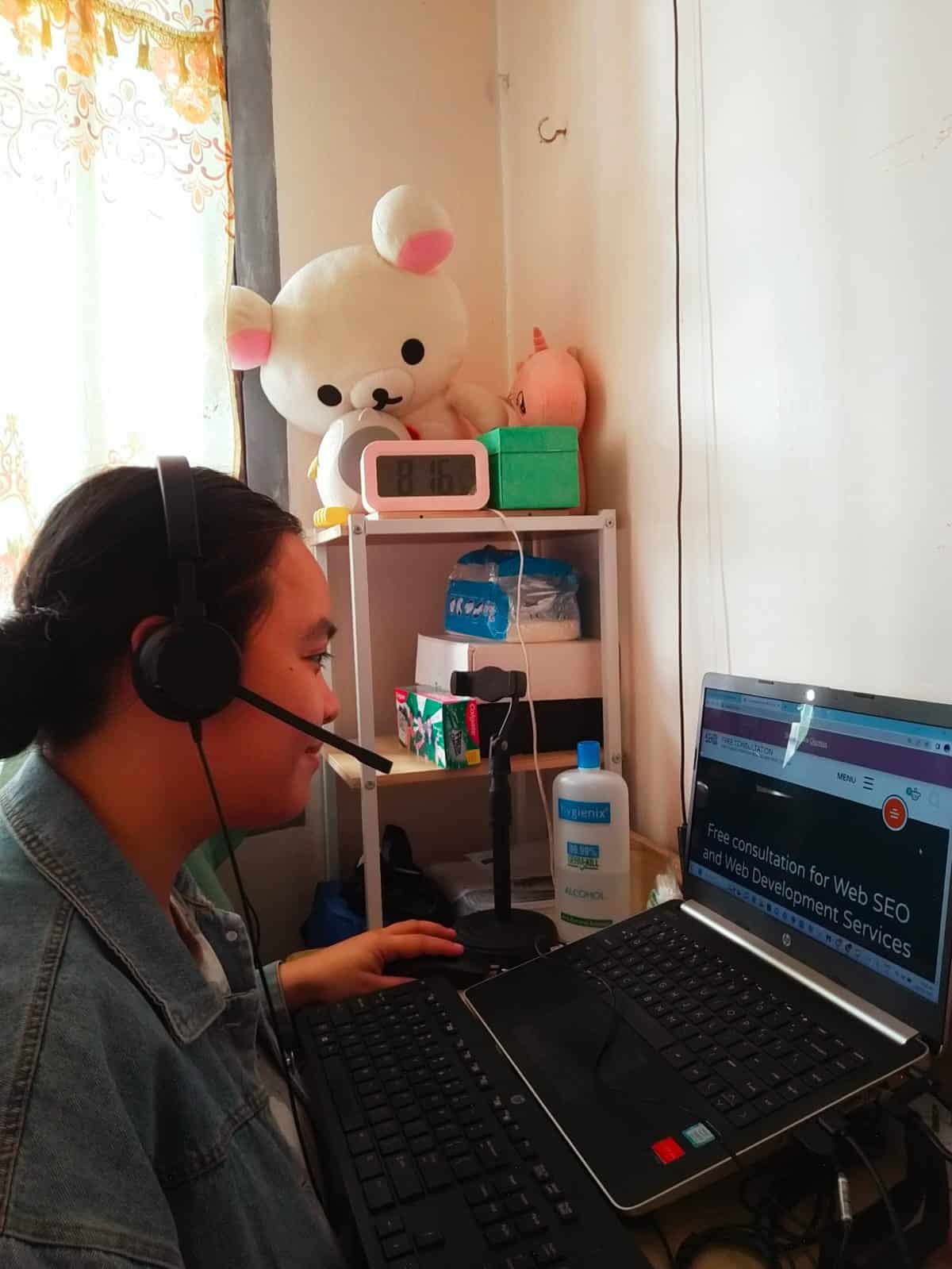
Certainly If you No time? Let our SEO Expert take care of everything! Our team of SEO experts is dedicated to optimizing your website for improved visibility and ranking on search engines. We understand that you may not have the time or expertise to handle SEO yourself, so we’re here to take care of everything for you.
Our services of SEO Expert take care of everything include:
Keyword research: Identifying the most relevant and high-performing keywords for your industry and target audience.
On-page optimization: Optimizing your website’s content, meta tags, headers, and images to ensure they are search engine friendly.
Off-page optimization: Building high-quality backlinks from reputable websites to improve your site’s authority and credibility.
Technical SEO: Addressing technical issues that may affect your site’s performance, such as site speed, mobile-friendliness, and crawlability.
Content creation: Producing engaging and valuable content for your website, blog, and social media platforms to attract and retain visitors.
Performance tracking and reporting: Monitoring the effectiveness of our SEO efforts through analytics and providing regular reports on key metrics such as traffic, rankings, and conversions.
Cost of SEO Expert for your website SEO
The cost of SEO services can vary depending on several factors, including the scope of work, the competitiveness of your industry, the size of your website, and the level of expertise required. Here are some common pricing models for SEO services:
Monthly Retainer: Many SEO agencies and consultants charge a monthly retainer fee, which typically ranges from a few hundred to several thousand dollars per month. This model is suitable for ongoing SEO efforts and usually includes a set number of hours dedicated to tasks such as keyword research, on-page optimization, link building, and reporting.
Project-Based Pricing: For specific SEO projects, such as website audits, keyword research, or site migration, agencies may offer project-based pricing. The cost will depend on the complexity and scale of the project.
Hourly Rate: Some SEO professionals charge an hourly rate for their services, which can range from $75 to $300 or more per hour. This model is often used for consulting or one-time tasks.
Performance-Based Pricing: In rare cases, SEO agencies may offer performance-based pricing, where they only charge based on the results achieved, such as improvements in search engine rankings or increases in organic traffic. However, this model is less common and may come with additional risks or conditions.
When considering the cost of SEO services, it’s essential to evaluate the potential return on investment (ROI) and the long-term benefits of improving your website’s visibility and organic traffic. Additionally, be sure to inquire about the specific services included in the pricing, as well as any additional fees or expenses that may apply. Ultimately, choosing the right SEO provider should be based on their expertise, track record, and ability to deliver results that align with your business goals.
Google Ranking
Improving your Google ranking involves various strategies and techniques aimed at making your website more visible and relevant to search engine algorithms. Here are some key factors that influence your Google ranking:
Keyword Research: Identify relevant keywords and phrases that your target audience is likely to use when searching for products or services similar to yours.
On-Page Optimization: Optimize your website’s on-page elements, including title tags, meta descriptions, headings, and content, to align with your target keywords and provide valuable information to users.
High-Quality Content: Create engaging, informative, and original content that addresses the needs and interests of your target audience. Regularly updating your content and incorporating relevant keywords can help improve your Google ranking.
Mobile-Friendliness: Ensure that your website is optimized for mobile devices, as Google prioritizes mobile-friendly websites in its search results.
Page Speed: Improve your website’s loading speed to provide a better user experience and increase the likelihood of ranking higher in Google search results.
Backlinks: Build high-quality backlinks from reputable and relevant websites to increase your website’s authority and credibility in the eyes of search engines.
User Experience (UX): Focus on providing a positive user experience by optimizing navigation, improving site structure, and ensuring easy access to valuable content.
Technical SEO: Address technical issues such as crawlability, indexability, and site architecture to ensure that search engines can properly access and understand your website’s content.
Local SEO: If you have a physical location or serve specific geographic areas, optimize your website for local search by creating a Google My Business profile, obtaining local citations, and generating positive reviews.
Monitoring and Analytics: Regularly monitor your website’s performance using tools like Google Analytics and Google Search Console. Analyze key metrics such as traffic, rankings, and conversions to identify areas for improvement and track the effectiveness of your SEO efforts.
We offer SEO plans based on your actual data
Customizing SEO plans based on your actual data is an excellent approach to tailor services to your specific needs and goals. Here’s how such a process might typically work:
Data Analysis: We start by analyzing your current website data, including traffic, rankings, conversion rates, and user behavior. This analysis helps us understand your website’s strengths, weaknesses, and areas for improvement.
Goal Setting: Based on our analysis and discussions with you, we establish clear and achievable goals for your SEO campaign. These goals may include increasing organic traffic, improving search engine rankings for specific keywords, boosting conversions, or enhancing overall website visibility.
Customized Plan Development: Using the insights gained from our data analysis and goal-setting process, we develop a customized SEO plan tailored to your business objectives. This plan outlines the specific strategies, tactics, and activities we will implement to achieve your goals.
Strategy Implementation: We execute the agreed-upon SEO strategies and tactics, which may include on-page optimization, content creation, link building, technical SEO enhancements, and more. Throughout the implementation process, we continuously monitor performance and adjust our approach as needed to maximize results.
Regular Reporting and Analysis: We provide regular reports that detail the progress of your SEO campaign, including key metrics such as traffic, rankings, and conversions. These reports help track the effectiveness of our efforts and provide insights for ongoing optimization.
Ongoing Optimization: SEO is an ongoing process that requires continuous monitoring and optimization to maintain and improve results over time. We continually evaluate performance, make adjustments based on new data and industry trends, and refine our strategies to ensure long-term success.
Communication and Collaboration: We maintain open communication with you throughout the process, providing updates, answering questions, and soliciting feedback to ensure that our SEO efforts are aligned with your business objectives and expectations.
By offering SEO plans based on your actual data and goals, we can provide targeted, effective, and measurable results that drive tangible business outcomes and maximize your return on investment in SEO services.
In Conclusion
By focusing on these factors and implementing effective SEO strategies, you can improve your Google ranking and increase your website’s visibility, traffic, and ultimately, your online success.
By entrusting your SEO needs to our experts, you can focus on running your business while we work to improve your online presence and drive more organic traffic to your website. Let us handle everything, and watch your business grow with our tailored SEO solutions.
Here are details of Homeopathic Treatment of Vaginal Infections in Young Girls. Homeopathy is an alternative medicine that uses highly diluted substances to stimulate the body’s natural healing processes. Some people turn to homeopathic remedies for various health conditions, including vaginal infections. However, it’s important to note that the effectiveness of homeopathy in treating vaginal infections, especially in young girls, has not been scientifically proven, and it may not be a recommended approach for treating these infections.
Various factors can cause vaginal infections in young girls, including bacterial infections (such as bacterial vaginosis), fungal infections (such as yeast infections), or other underlying health issues. Treatment for vaginal infections typically involves evidence-based medical approaches, such as:
Antibiotics: If the infection is bacterial, antibiotics may be prescribed to treat the underlying cause.
Antifungal Medications: For fungal infections like yeast infections, antifungal medications such as creams, suppositories, or oral medications are often used.
Hygiene and Lifestyle Changes: Maintaining good hygiene practices, avoiding irritants, wearing breathable underwear, and practicing safe sex are essential for preventing and managing vaginal infections.
Dietary Changes: With yeast infections, some dietary changes may be recommended, such as reducing sugar intake, which can contribute to yeast overgrowth.
Regular Check-ups: Young girls with recurrent or persistent vaginal infections should consult with a healthcare provider to rule out underlying health issues and receive treatment.
It’s crucial for parents or caregivers of young girls with vaginal infections to seek guidance from a qualified healthcare provider. I should not use homeopathic remedies as a replacement for evidence-based medical treatments, especially when dealing with infections that can have health implications if left untreated.
If you are considering homeopathic treatments for a vaginal infection in a young girl, consult with a healthcare provider first to ensure that the chosen approach is safe and appropriate for the individual’s specific situation. Healthcare providers can provide guidance on the most effective and evidence-based treatments for managing vaginal infections.
Homeopathic Treatment of Vaginal Infections in Young Girls
Homeopathy is a form of alternative medicine that uses highly diluted natural substances to stimulate the body’s self-healing abilities. Some people consider homeopathic remedies for various health conditions, including vaginal infections. However, it’s important to note that the effectiveness of homeopathy in treating vaginal infections has not been scientifically proven, and medical guidelines generally recommend evidence-based treatments for these types of infections.
Vaginal infections can be caused by various factors, including bacterial infections (e.g., bacterial vaginosis), fungal infections (e.g., yeast infections), and viral infections (e.g., herpes or HPV). The choice of treatment depends on the specific type of infection and its underlying cause. Here are some points to consider when it comes to homeopathic treatment for vaginal infections:
Limited Scientific Evidence: Homeopathic remedies lack robust scientific evidence to support their efficacy in treating vaginal infections. Most medical organizations and healthcare professionals recommend conventional treatments for these conditions.
Risk of Delayed Treatment: Delaying or avoiding evidence-based medical treatments for vaginal infections can lead to complications and may not effectively address the underlying cause.
Safety Concerns: Some homeopathic remedies may not undergo the same rigorous safety and quality control testing as pharmaceutical medications. There is a risk of contamination or impurity in some products.
Individualized Treatment: Homeopathy is based on the principle of individualized treatment, where the choice of remedy is determined by a person’s unique symptoms and constitution. If someone chooses to explore homeopathic options, it’s important to consult with a qualified homeopathic practitioner who can assess their individual case.
Consultation with a Healthcare Provider: Before pursuing homeopathic treatment for a vaginal infection, it is advisable to consult with a healthcare provider, particularly a gynecologist. They can provide an accurate diagnosis, rule out any underlying medical conditions, and recommend evidence-based treatments that are appropriate for the specific type of infection.
In summary, while some individuals may choose to explore complementary or alternative therapies like homeopathy, it is crucial to prioritize evidence-based medical treatments for vaginal infections. These infections can have health implications if not properly treated, and conventional treatments have a proven track record of effectiveness and safety. Consultation with a qualified healthcare provider is recommended for the accurate diagnosis and management of vaginal infections.
In Conclusion
In conclusion, when it comes to vaginal infections, including conditions like bacterial vaginosis, yeast infections, or viral infections, evidence-based medical treatments are generally recommended as the primary approach. These treatments are supported by scientific research and have a proven track record of effectiveness and safety.
While some people may consider homeopathic remedies as complementary or alternative options for managing health conditions, including vaginal infections, it’s essential to approach them with caution. Homeopathic treatments lack robust scientific evidence to support their efficacy in treating these infections.
Consultation with a qualified healthcare provider, especially a gynecologist, is crucial for an accurate diagnosis and the appropriate choice of evidence-based treatments tailored to the specific type of infection and individual needs. Delaying or avoiding medically proven treatments for vaginal infections can lead to complications and may not effectively address the underlying cause.
Ultimately, the priority should be the health and well-being of the individual and decisions regarding treatment should be made in consultation with a healthcare professional who can provide guidance based on the best available medical evidence.
Today, we will discuss Vaginal Pain in young girls and treatments of Vaginal Pain. Vaginal pain in young girls can have various causes, and it’s essential to determine the underlying reason for the pain before considering treatment options.
Some common causes of vaginal pain in young girls may include:
Infection: Bacterial or fungal infections such as yeast infections or urinary tract infections can cause vaginal discomfort and pain.
Irritation: Allergic reactions to soaps, detergents, or synthetic underwear materials can irritate the vaginal area and cause pain.
Trauma or injury: Accidental injury or rough handling can lead to vaginal pain in young girls.
Foreign bodies: Sometimes, small objects can become lodged in the vagina, causing pain and discomfort.
Vulvovaginitis: This is an inflammation of the vulva and vagina, often due to infections, irritants, or poor hygiene.
Menstrual issues: Young girls who have just started menstruating may experience discomfort and pain associated with their menstrual cycle.
Type of vaginal pain
Vaginal pain can manifest in various ways, and the type of pain experienced can provide clues to its underlying cause. Here are some common types or descriptions of vaginal pain:
Burning Sensation: Vaginal pain that feels like a burning or stinging sensation can be associated with infections like yeast infections, urinary tract infections (UTIs), or sexually transmitted infections (STIs).
Itching: Vaginal itching, often accompanied by discomfort, can be a symptom of infections such as yeast infections or bacterial vaginosis.
Stabbing or Sharp Pain: Sharp or stabbing pain in the vaginal area can be related to conditions like endometriosis, ovarian cysts, or pelvic inflammatory disease.
Dull Ache: A dull, persistent ache in the vaginal or pelvic region may be associated with conditions like pelvic congestion syndrome, fibroids, or muscle tension.
Pressure or Fullness: Some women may experience a sense of pressure or fullness in the vaginal area, which can be related to conditions like uterine fibroids or prolapse.
Throbbing: Throbbing pain in the vaginal area may occur in some cases of vulvodynia or after childbirth-related trauma.
Cramping: Menstrual cramps can cause cramping and discomfort in the lower abdomen and vaginal area.
Raw or Sore: A feeling of rawness or soreness in the vaginal area can result from friction during sexual intercourse, allergies or irritants, or vulvodynia.
Intermittent or Sporadic: Some vaginal pain may come and go, with no clear pattern. This could be related to conditions like interstitial cystitis or muscle spasms.
Pain During Sexual Intercourse: Pain during sexual intercourse, known as dyspareunia, can occur for various reasons, including infections, vaginal dryness, or conditions affecting the pelvic floor.
Deep Pelvic Pain: Deep pelvic pain, including pain during deep penetration, can be associated with conditions like endometriosis or uterine fibroids.
It’s important to note that the type of vaginal pain alone may not be sufficient to diagnose the underlying cause. A healthcare provider will often consider other factors, such as the duration and severity of the pain, any associated symptoms, medical history, and physical examination, to determine the cause and appropriate treatment. If you experience persistent or severe vaginal pain or are concerned about any changes in your vaginal health, it’s advisable to seek medical attention for a thorough evaluation and diagnosis.
Vaginal Pain in young girls and treatments of Vaginal Pain
Treatment of vaginal pain in young girls should be based on the underlying cause. Here are some general guidelines:
Consult a healthcare provider: If a young girl is experiencing vaginal pain, it’s crucial to consult a pediatrician or a healthcare provider. They can perform a physical examination, take a medical history, and order any necessary tests to diagnose the cause of the pain.
Infection treatment: If an infection is the cause, such as a yeast infection or urinary tract infection, the healthcare provider may prescribe antibiotics or antifungal medications.
Irritation relief: For irritations caused by soaps or detergents, ensure that the girl uses gentle, fragrance-free products for washing the genital area. Cotton underwear can help reduce irritation.
Trauma or injury: If there’s a history of trauma or injury, the healthcare provider will assess the extent of damage and provide appropriate treatment. This might include wound care and pain management.
Foreign body removal: If a foreign object is causing the pain, a healthcare provider will need to safely remove it.
Vulvovaginitis management: Treatment for vulvovaginitis may include topical creams, sitz baths, and addressing any contributing factors like hygiene practices.
Menstrual pain relief: For menstrual-related pain, over-the-counter pain relievers, heat therapy, and lifestyle modifications can help alleviate discomfort.
It’s crucial to involve a healthcare provider in the evaluation and management of vaginal pain in young girls, as self-diagnosis and treatment can sometimes lead to complications or miss underlying medical conditions. Additionally, open and supportive communication with the young girl is essential to help her understand and manage her discomfort effectively while ensuring her overall well-being.
Why do we get pain in Vagina?
Pain in the vaginal area can occur for a variety of reasons, and it’s important to differentiate between different vaginal pain to determine the underlying cause. Here are some common causes of vaginal pain in women:
Infections: Infections, such as yeast infections (vaginal candidiasis) or bacterial vaginosis, can lead to itching, burning, and discomfort in the vaginal area. Sexually transmitted infections (STIs) like chlamydia, gonorrhea, or herpes can also cause vaginal pain.
Menstrual Cramps: Many women experience pain or discomfort in the lower abdomen and vaginal area during their menstrual periods. This is because of uterine contractions and is known as dysmenorrhea.
Endometriosis: This is a condition where tissue similar to the lining of the uterus grows outside the uterus. It can cause severe pelvic pain, including pain in the vaginal area.
Pelvic Inflammatory Disease (PID): PID is an infection of the female reproductive organs and can cause pain in the lower abdomen and vaginal area.
Muscular or Ligament Pain: Muscular strains or ligament injuries in the pelvic region can cause pain in the vaginal area.
Vulvodynia: This is a condition characterized by chronic, unexplained vulvar or vaginal pain, often described as a burning or stabbing sensation.
Allergic Reactions or Irritants: Some women may experience pain or irritation because of allergies or sensitivities to certain products such as soaps, detergents, condoms, or lubricants.
Childbirth: Vaginal pain can occur after childbirth, particularly if there are tears or episiotomies that need time to heal.
Vaginal Dryness: Insufficient lubrication during sexual activity or because of hormonal changes, such as menopause, can lead to vaginal dryness and discomfort.
Psychological Factors: Stress, anxiety, or emotional factors can contribute to pelvic pain, including pain in the vaginal area.
The treatment for vaginal pain depends on the underlying cause. It’s essential to consult a healthcare provider for a proper evaluation and diagnosis. Treatment may involve medication (e.g., antibiotics for infections, pain relievers for menstrual cramps), physical therapy, lifestyle changes, or addressing contributing factors (e.g., managing stress or using hypoallergenic products).
If you experience persistent or severe vaginal pain, it’s important to seek medical attention to rule out any serious underlying conditions and to receive treatment and guidance.
Homeopathic medicine for vaginal pain
Homeopathic remedies are based on the principle of “like cures like” and are used to stimulate the body’s self-healing abilities. However, it’s important to note that homeopathic treatments are not a substitute for conventional medical care, especially when dealing with conditions causing vaginal pain. If you’re experiencing vaginal pain, it’s essential to consult a healthcare provider for a proper diagnosis and treatment plan. They can determine the underlying cause of the pain and recommend appropriate treatments, which may include medications, physical therapy, or other medical interventions.
Homeopathic remedies are highly individualized and prescribed based on a person’s specific symptoms and constitution. Homeopathic practitioners consider various factors, including the nature and location of the pain, its accompanying symptoms, and the person’s overall health. Therefore, it’s not advisable to self-prescribe homeopathic remedies for vaginal pain without consulting a trained and licensed homeopathic practitioner.
If you’re interested in exploring homeopathic treatment as a complementary therapy alongside conventional medical care, it’s essential to do so under the guidance of a qualified homeopath. They will conduct a thorough assessment and recommend specific remedies tailored to your unique symptoms and needs.
Remember that the effectiveness of homeopathic remedies for vaginal pain is a subject of debate, and scientific evidence supporting their use in this context is limited. Therefore, it’s crucial to prioritize evidence-based medical treatments when dealing with health issues as significant as vaginal pain.
In Conclusion
In conclusion, vaginal pain can occur for various reasons, and it’s essential to identify the underlying cause to determine the appropriate treatment. Common causes of vaginal pain include infections, menstrual cramps, endometriosis, pelvic inflammatory disease, muscular or ligament pain, vulvodynia, allergic reactions or irritants, childbirth-related discomfort, and vaginal dryness. Psychological factors like stress can also contribute to vaginal pain.
Treatment for vaginal pain depends on the specific cause and may include medications, physical therapy, lifestyle changes, or addressing contributing factors. If you or someone you know experiences persistent or severe vaginal pain, it’s crucial to consult a healthcare provider for a proper evaluation and diagnosis to ensure the best possible care and management of the condition. Open and honest communication with a healthcare provider is essential for addressing and resolving vaginal pain effectively.
How to develop trust with the best ways to spread business? Trust is a fundamental aspect of human relationships and interactions. It refers to the belief, confidence, and reliance that one person or entity has on another’s honesty, reliability, integrity, and competence. Trust involves the expectation that the other party will act that aligns with one’s best interests and shared values.
How to develop trust with the best ways to spread business?
Building trust is essential for the success and growth of any business. Trusting customers are more likely to make purchases, become repeat buyers, and recommend your products or services to others. Here are some effective ways to develop trust and spread your business:
Deliver Quality Products or Services: The foundation of trust in business is delivering what you promise. Ensure that your products or services meet or exceed customer expectations consistently.
Transparency: Be open and honest about your products, pricing, and policies. Transparency builds credibility and helps customers make informed decisions.
Customer Reviews and Testimonials: Encourage satisfied customers to leave reviews and testimonials. Positive feedback from real customers can be a powerful trust-building tool.
Professionalism: Maintain a professional image in all your business dealings. This includes everything from your website and marketing materials to your interactions with customers.
Clear Communication: Ensure that your communication with customers is clear and responsive. Promptly address inquiries, concerns, and issues to show that you value their input.
Secure Online Presence: If you operate online, invest in a secure website with appropriate data protection measures. Display trust symbols, such as SSL certificates, to reassure customers about their online safety.
Customer Support: Provide excellent customer support. Make it easy for customers to reach you and get assistance when needed. Resolve problems promptly and courteously.
Consistency: Be consistent in your branding, messaging, and customer experience. Inconsistencies can erode trust.
Privacy and Data Security: Respect customer privacy and protect their data. Implement robust security measures to safeguard sensitive information.
Honor Guarantees and Warranties: If you offer guarantees or warranties, honor them without hesitation. This demonstrates your commitment to customer satisfaction.
Social Responsibility: Engage in socially responsible practices. Show that you care about environmental, social, and ethical issues, as this can enhance your reputation and trustworthiness.
Build a Strong Online Presence: Maintain active and engaging social media profiles and regularly update your website with valuable content. A strong online presence can enhance your credibility.
Customer Education: Provide educational resources that help customers make informed decisions. This can include how-to guides, blog posts, or webinars related to your products or services.
Partnerships and Associations: Align your business with reputable partners or industry associations. These affiliations can lend credibility to your business.
Referral Programs: Encourage satisfied customers to refer friends and family to your business. Personal referrals often come with a higher level of trust.
Feedback and Improvement: Solicit feedback from customers and use it to make continuous improvements to your products or services. This shows that you value their input.
Community Engagement: Get involved in your local community or relevant online communities. Building relationships outside of direct business transactions can foster trust.
Consistent Branding: Maintain a consistent and positive brand image. This includes your logo, messaging, and the overall perception of your business.
Honor Commitments: Keep your promises, whether they relate to delivery times, refunds, or any other aspect of your business.
Adapt and Innovate: Stay up-to-date with industry trends and be willing to adapt and innovate. A forward-thinking approach can signal trustworthiness and relevance.
Remember that building trust takes time, but it’s an investment that pays off in the long run. Trust is a valuable asset that can help you not only retain existing customers but also attract new ones and foster a positive reputation for your business.
Here are some key components and characteristics of trust:
Reliability: they built Trust on the expectation that someone will consistently follow through on their commitments and promises. When someone is reliable, you can trust them to do what they say they will do.
Honesty: it closely tied Trust to honesty. People trust those who are truthful and transparent in their communication. Honesty means being straightforward, not misleading, and avoiding deceit.
Integrity: Trustworthy individuals and organizations act with integrity. This means they adhere to a set of moral and ethical principles, even when no one is watching. They do what is right, even when it’s difficult.
Consistency: Trust often depends on consistency in behavior and actions. People trust those who are predictable and stable in their conduct.
Vulnerability: Trust can involve a degree of vulnerability. When you trust someone, you open yourself up to the possibility of being let down or hurt. Trustworthy individuals are considerate of this vulnerability and work to maintain trust.
Accountability: Trustworthy individuals take responsibility for their actions. If they make a mistake, they admit it, apologize if necessary, and take steps to make amends.
Confidentiality: Trust can also involve the expectation that sensitive information will be kept confidential. People trust those who respect their privacy.
Empathy and Understanding: Trust often grows when people feel understood and cared for. Demonstrating empathy and taking the time to understand others’ perspectives can foster trust.
Competence: Trust can be based on a belief in someone’s competence or expertise in a particular area. When you trust a professional, for example, it’s because you have confidence in their knowledge and skills.
Positive Intent: Trust often assumes that the other party has positive intentions. When you trust someone, you believe that they are looking out for your best interests.
Trust is a crucial element in various aspects of life, including personal relationships, business transactions, and societal interactions. It forms the foundation for effective communication, collaboration, and cooperation. Building and maintaining trust takes time and effort, but it is essential for fostering healthy and productive relationships. Trust can be fragile and easily damaged, so it’s important to nurture and protect it once it’s established.
How to develop trust?
Developing trust is essential for building strong relationships, whether they are personal or professional. Trust forms the foundation for effective communication, cooperation, and collaboration. Here are some strategies to help you develop trust:
Be Reliable: Consistently follow through on your commitments and promises. When you say you will do something, do it. Reliability is one of the most important factors in building trust.
Honesty and Transparency: Always be truthful and open in your communication. Avoid hiding information or being deceitful, as honesty is a fundamental element of trust.
Act with Integrity: Consistently show ethical behavior and adhere to your values and principles. People trust those who have a strong moral compass.
Listen Actively: Show that you genuinely care about others’ thoughts, feelings, and concerns. Active listening not only helps you understand people better but also shows that you respect their perspective.
Maintain Confidentiality: When people share sensitive information with you, keep it confidential unless you have their explicit permission to share it. Respecting privacy is crucial for trust.
Keep Your Promises: If you make a commitment, ensure you fulfill it. Broken promises erode trust quickly. If you cannot keep a promise, communicate this as early as possible and work to find a solution or alternative.
Admit Mistakes: Nobody is perfect. When you make a mistake, take responsibility for it, apologize if necessary, and make amends. Owning up to your errors shows you are accountable and can be trusted to make things right.
Consistency: Be consistent in your words and actions. People trust those who are predictable and stable in their behavior.
Empathy and Understanding: Show empathy by trying to understand others’ perspectives and emotions. Demonstrating that you care about how others feel can foster trust.
Build Competence: Continuously work on improving your skills and knowledge in areas relevant to your relationships or responsibilities. Competence breeds confidence and trust.
Avoid Gossip and Negative Talk: Refrain from speaking negatively about others behind their backs. Engaging in gossip or spreading rumors can damage trust, not only with the person being talked about but also with those who hear it.
Be Patient: Trust takes time to develop. Be patient and allow relationships to grow naturally. Rushing the process can lead to distrust.
Show Appreciation: Express gratitude and appreciation to those who trust you. Acknowledging their trust can strengthen the bond.
Be Consistent Online: In today’s digital age, your online presence can also impact trust. Ensure your online behavior and social media activity align with the trust-building principles you follow in person.
Seek Feedback: Encourage honest feedback from others about how you can improve and build trust. Act on this feedback to show your commitment to growth and development.
Remember that trust is fragile and can be easily broken. It’s important to consistently practice these principles to develop and maintain trust in your relationships, whether they are personal or professional. Building trust is an ongoing process that requires time and effort.
The best ways to develop trust to spread business
Developing trust is crucial in spreading and growing a business. When customers, partners, and stakeholders trust your business, they are more likely to engage with your products or services. Here are some effective ways to develop trust and spread your business:
Provide Excellent Customer Service:
Offer exceptional customer support and assistance.
Address customer inquiries, issues, and complaints promptly and professionally.
Deliver Quality Products or Services:
Consistently provide high-quality products or services.
Meet or exceed customer expectations to build a strong reputation.
Build an Informative and Trustworthy Website:
Ensure your website is user-friendly and professional.
Display clear and accurate information about your products or services.
Use Testimonials and Reviews:
Showcase positive testimonials and reviews from satisfied customers.
Encourage happy customers to leave reviews on relevant platforms.
Transparency in Pricing and Policies:
Clearly communicate your pricing, fees, and terms and conditions.
Avoid hidden costs or deceptive practices.
Secure Online Transactions:
Invest in secure payment processing systems to protect customer data.
Display trust badges and security certifications on your website.
Content Marketing and Education:
Share valuable content that educates and helps your target audience.
Position your business as an industry expert by providing insightful content.
Personalize Interactions:
Tailor your marketing and communication efforts to individual customer needs.
Show that you understand and care about their specific requirements.
Consistent Branding:
Maintain a consistent brand image across all platforms.
Build brand recognition and trust through visual consistency.
Honor Commitments:
Keep your promises and meet deadlines.
If you encounter delays or issues, communicate proactively and honestly.
Engage on Social Media:
Actively participate on social media platforms where your target audience is present.
Respond to comments and engage in meaningful conversations.
Provide Guarantees and Warranties:
Offer guarantees or warranties for your products or services.
This demonstrates confidence in your offerings and reassures customers.
Build Partnerships and Alliances:
Collaborate with reputable businesses or organizations in your industry.
Being associated with trusted partners can enhance your credibility.
Invest in Customer Feedback:
Collect feedback from customers through surveys and reviews.
Use feedback to make improvements and show that you value customer opinions.
Adhere to Ethical Practices:
Operate your business with high ethical standards.
Avoid unethical or questionable practices that can erode trust.
Community Involvement:
Engage in community activities and support local causes.
Demonstrating a commitment to your community can enhance trust.
Crisis Management and Communication:
Have a plan for handling crises and emergencies.
Communicate transparently and effectively during difficult times.
Remember that trust takes time to build and can be easily damaged. Consistently applying these strategies and maintaining a customer-centric approach can help you develop trust and spread your business effectively. Building trust is an ongoing effort that should be at the core of your business strategy.
In Conclusion
In conclusion, trust is a foundational element in both personal relationships and business interactions. It is built on principles such as reliability, honesty, integrity, transparency, and competence. Developing trust is a gradual process that requires consistency, accountability, and a genuine commitment to the well-being of others.
In business, trust is a key driver of success and growth. To spread your business and build trust with customers, focus on delivering high-quality products or services, maintaining transparency and professionalism, and providing excellent customer support. Engage with your audience through clear communication, secure online practices, and social responsibility. Act on customer feedback to continuously improve your offerings and build a strong, positive brand reputation.
Remember that trust is valuable but fragile. It can take time to establish and can be easily damaged if not nurtured. Prioritize trust-building efforts in your business strategy to create lasting and meaningful relationships with customers and stakeholders.
Here you can find details above all, for The Best Ways to Increase Your Small Breast Size Naturally? Read carefully if you want to increase your small breast size naturally. We are happy to share this article which can help you to increase your small breast size naturally.
How To Increase Your Small Breast Size Naturally?
Medically reviewed by Homeopathic Doctor. Javed Hayat
Last updated: August 25, 2023
Can you increase your small breast size? Well, the answer is yes. Most women would want to have the perfect body and for this, every woman would want to have perfectly shaped breasts you can flaunt off.
Medically speaking, I do a surgery called breast augmentation to increase the size of your breasts. In this surgery, a surgeon places saline and silicone under the breast tissue to make it look puffed. There can be serious complications associated with such a procedure. The average lifespan of an individual would be 12 years. You wouldn’t want to get this one done.
There are natural ways to increase breast size such as massage, enlargement exercises, dieting, and enlargement pumps. This article will give you an insight into some of the best natural Side-Effect Freeways of breast enlargement.
Table of Contents
Interesting Facts About your small breast size
Breasts have a purpose and can do a lot more than you can imagine. Here are some interesting facts about breasts and their very purpose in a woman’s life.
Did you know that the left breast is bigger than the right? Yes, no two breasts appear to be the same.
Breasts move in the number 8 when you exercise.
Breast size changes almost 6 times in a woman’s entire life. This is because of the type of bra that is worn.
Your breasts mature only after pregnancy and lactation.
Breasts naturally grow until 4 years after a woman’s first period.
Ancient Egyptians were the first to identify breast cancer which was documented on papyrus 3500 years ago. The hieroglyphs depicted bubbling tumors on the breast that cannot be healed.
Men can also get breast cancer. Yes, Peter Criss was the first man to have survived breast cancer.
A range of factors can affect breast size across different women, here are the key things that determine breast size:
Factors Affecting the small breast size
1
Age
2
Body Mass Index
3
Fitness Level
4
Weight
5
Diet
6
Genetics
7
Pregnancy
8
Breastfeeding
9
Menstrual Cycle
Want to know test your fitness level? Book a Full Body Checkup Test at affordable prices now!
Can You Increase your small breast size at Home? How?
Yes, you can increase the size of your breasts naturally by massaging, breast enlargement exercises, and foods that make them look bigger. Here is what you need to do to make it look big and flaunt it.
1. Breast Increase Foods
Foods such as milk products, fruits, and nuts can aid in natural breast enlargement. Here are some healthy recipes that will ensure results in a month.
Milk
Your breasts are entirely made of fat and consuming whole milk products that are rich in grease can increase breast size.
Papaya
Papaya mixed with milk increases breast size. However, if you are pregnant, it is not the fruit that needs to be added to your pregnancy diet.
Fenugreek seeds
Contains a rich source of estrogen that stimulates bigger breasts. Make a paste mix with mustard oil and massage your breasts gently.
Fennel seeds
Add fennel seed powder to your food OR make a paste and mix it with olive oil and massage.
Flax seeds
Chew flax seeds OR add flax seed powder to your food.
Nuts
Nuts are a rich source of monounsaturated fats that are essential for building breast tissue.
Soybean
Soybean is rich in phytoestrogen which is a hormone that is also responsible for big breasts. It also prevents free radicals that cause cancer.
2. Yoga For the Big Breasts?
Yoga has been a natural healing agent for thousands of healing. It unites the body with the mind and helps you counter diseases from within. When it comes to making breasts seem bigger, this ancient art can do it for you. Here is how yoga can make your breasts in a big size.
Bhujangasana
Also known as cobra pose–you will have to lie down on your stomach joining your foot straight on the floor and put your hands on your chest. Repeat 10 times every day.
Ustrasana
Camel pose is kneeling facing your head to the ceiling and bending your back to touch your feet. Repeat 10 times. This pose also benefits you with good digestion and reduces arms and thigh fat.
Dwikonasan
Also known as a double angle pose–this asana includes standing, stretching both your hands backward and locking it & bending down to touch your head to your knees. This is one of the best yoga exercises for big breasts.
3. Massage Oil For Big Breasts
Of course, massaging is one of the best ways to increase breast size. So what natural oils or lotions can you use to massage your breasts? Here is what you need to know:
Flaxseed oil
Breast enlargement creams
Fennel and
Olive oil
How To Get A Breast Massage?
The best natural way to increase breast size is by getting an oil massage done. Here are some simple steps on how to get one done.
Step 1: Move your hands around both breasts in a circulator way.
Step 2: Join both breasts together.
Step 3: Repeat 10 times every day using some of the above-listed natural oils.
NOTE: Do not do this for too long as it can lead to swelling and sensitivity.
Want to give your breasts the much-needed TLC? Check out Imbue Breast Massage Cream For Women
4. Exercises for Big Breasts
There are several exercises that can increase the size of your breasts and here is what you need to know.
Breast Enlargement Exercises show
Steps To Do?
Arm Circles step
1: Stretch out both your arms. Step 2: Gently move it around backward for 1 minute. Step 3: Gently move it around forward for 1 minute. Step 4: Then gently circulate it for 1 minute Step 5: Repeat this for two minutes.
ArmPresses step
1: Open your hands until they go behind and again. Step 2: Bring your hands front and back. Step 3: Repeat this for 1 minute.
Horizontal Chest Press
Step 1: Stretch your arms in front of your body and bend them at a 90-degree angle. Step 2: Open your arms wide and bring them back together. Step 3: Repeat this for 1 minute.
Prayer Pose
Step 1: Join both your hands. Step 2: Stretch both front and back. Step 3: Repeat this 15 times.
Modified Push-Ups
Step 1: Lie on the ground with your face facing the ground. Step 2: Place both your hands on the ground. Step 3: Push your body upwards and downwards. Step 4: Repeat this 15 times.
Can Supplement Increase your small breast size?
Yes, breast enlargement supplements made most supplements help you get bigger breasts. You don’t have to be worried because I made most supplements from natural ingredients and most of these do not offer any side effects. The only possible thing that can affect you is the cream, lotion, or capsule that can make you allergic. Make sure you consult a doctor before you opt to use breast enlargement supplements.
Breast enlargement exercise
While exercise can help improve overall body strength, posture, and muscle tone, it’s important to note that targeted exercises for breast enlargement are not scientifically proven to significantly increase breast size. Breast size is largely determined by genetics, hormones, and body composition. However, exercises that target the chest muscles (pectoral muscles) can provide some lift and firmness to the breasts. Here are a few exercises that you can incorporate into your workout routine:
Push-Ups: Traditional push-ups or modified knee push-ups can help strengthen the chest muscles and provide a slight lift to the breasts.
Chest Press: You can perform this exercise using dumbbells or a chest press machine at the gym. Lie on a bench and push the weights or handles upwards while extending your arms.
Chest Flyes: Lie on a bench, holding a dumbbell in each hand. Open your arms wide (like you’re hugging someone) and then bring them back up, keeping a slight bend in your elbows.
Wall Push-Ups: Similar to regular push-ups, you’re leaning against a wall at an angle and pushing off from it. This is a more beginner-friendly variation.
Dumbbell Pullovers: Lie on a bench with your upper back and shoulders on the bench and your hips below. Hold a dumbbell with both hands overhead lower it behind your head and then pull it back up.
Plank Variations: Planks and side planks can help improve overall core strength and posture, which can indirectly contribute to better breast appearance.
Remember that while exercises can enhance muscle tone and body shape, they might not lead to significant changes in breast size. If you’re concerned about breast size, it’s important to maintain realistic expectations and consult a medical professional if you’re considering more significant changes.
If you’re looking for a noticeable change in breast size, surgical options such as breast augmentation are available, but they also come with potential risks and considerations that you should discuss with a qualified medical professional.
I recommend you use essential oils such as olive oil, tea tree oil, and lavender oil to massage your breasts 10 times daily. These oils can also prevent you from risk of cancer and other allergies.
The Following Homeopathic medicine works better for Breast enlargement
It’s important to emphasize that there is no scientific evidence to support the effectiveness of homeopathic remedies for breast enlargement. Homeopathy is a system of alternative medicine that is based on the principle of treating “like with like,” but its claims and mechanisms often lack scientific validity and have not been proven through rigorous clinical trials.
Breast size is primarily determined by genetics, hormones, and overall body composition. There is no reliable scientific evidence to suggest that homeopathic remedies can have a substantial impact on breast size.
If you are interested in breast enlargement, it’s recommended to consult with a qualified medical professional. If you have concerns about your breast size, a doctor can provide you with accurate information about your options, including any potential surgical or medical interventions that are backed by scientific research and evidence. Always prioritize your health and safety when considering any form of treatment.
To give an instant lift to your breasts check out Femzy Reusable Breast Pads
FAQs
Q.1: Can any oil be used to massage breasts?
A.1: While most oils provide deep nourishment to the breast tissue and can enhance the overall health and appearance of your breasts, almond oil, olive oil, fenugreek seed oil, and lavender oil can be used for breast massage. It is better to use.
Q.2: What is the best way to use fenugreek oil for breasts?
A.2: When it comes to room temperature, we must use fenugreek oil. Massage your breasts with this oil continuously for 4 weeks. You can apply the oil at night, but make sure you apply it regularly so that the breast tissues expand and grow.
Q.3: Can breasts really get bigger with exercise?
A.3: Exercising regularly and strengthening the muscles around your breasts can enhance your appearance and make your breasts look bigger.
Q.4: What is the average breast size?
A.4: Average breast size varies among individuals and is affected by genetic factors, body weight, and hormonal changes. In most areas, the average bra cup size falls in the B to C cup range.
Q.5: Can breastfeeding change breast size permanently?
A.5: During pregnancy and breastfeeding, breast size may increase because of hormonal changes and milk production. After breastfeeding, breasts may return to their pre-pregnancy size, but some women may experience subtle changes.
Q.6: Can weight loss or gain affect breast size?
A.6: Weight loss or gain can affect breast size, as breasts are a combination of glandular tissue and fat. Weight loss can cause a decrease in breast size, while weight gain can cause an increase in size because of fat accumulation.
Q.7: Does wearing a bra affect breast size or shape?
A.7: Wearing a bra does not permanently change the size or shape of the breasts. Bras provide support and can help prevent sagging over time, but they do not cause the breasts to grow or shrink.
Q.8: Can hormonal birth control affect breast size?
A.8: Hormonal birth control, such as oral contraceptives, can cause temporary changes in breast size because of hormonal fluctuations. Some women may experience mild enlargement or tenderness while using hormonal birth control methods.
Q.9: Are there medical procedures to increase breast size?
A.9: Breast augmentation surgery is a medical procedure that can increase breast size using implants or fat transfer. This is an option for individuals seeking a permanent change in breast size, but it comes with potential risks and complications.
Q.10: Can breastfeeding cause sagging breasts?
A.10: The effects of breastfeeding on breast sagging are often temporary and depend on factors such as genetics, skin elasticity, and weight fluctuations. Adequate support while breastfeeding and maintaining a healthy lifestyle can help reduce the effects of slouching.
Disclaimer: The information included on this site is for educational purposes only and is not intended to be a substitute for medical treatment by a healthcare professional. Because of unique individual needs, the reader should consult their physician to determine the appropriateness of the information for the reader’s situation.
Here is the answer to How to Rank your keywords in Google Search Engine Results. Ranking your keywords in Google’s search engine results involves a combination of on-page and off-page optimization strategies. Keep in mind that Google’s algorithms are constantly evolving, so it’s essential to stay up-to-date with the latest SEO best practices.
How to Rank your keywords in Google Search Engine Results?
Here’s a general guide to help you rank your keywords in Google Search Engine Results:
Keyword Research:
Start by identifying relevant keywords and phrases that your target audience is likely to search for. Use keyword research tools to discover high-volume and low-competition keywords.
High-Quality Content:
Create high-quality, valuable, and relevant content that addresses the needs and interests of your target audience. Make sure your content is well-structured, easy to read, and provides a clear value proposition.
On-Page Optimization:
Optimize your content for the target keyword(s) you want to rank for. This includes using the keyword in the title, headings, meta description, and throughout the content in a natural and non-spammy way.
Meta Tags:
Craft compelling and relevant meta titles and meta descriptions for your pages. These should accurately represent the content and encourage users to click through to your website.
URL Structure:
Create clean and descriptive URLs that include the target keyword. Avoid using excessive parameters or irrelevant characters.
Mobile-Friendly and Fast Website:
Ensure your website is mobile-responsive and loads quickly. Google considers mobile-friendliness and page speed as ranking factors.
User Experience:
Focus on providing a positive user experience. Make navigation intuitive, use clear calls-to-action, and minimize intrusive ads or pop-ups.
High-Quality Backlinks:
Build a diverse and authoritative backlink profile by earning links from reputable websites in your industry. Avoid spammy or low-quality link-building practices.
Social Signals:
Engage with your audience on social media platforms. While not a direct ranking factor, social signals can indirectly influence your search rankings by driving traffic and building brand credibility.
Local SEO (if applicable):
If you have a local business, optimize for local search by claiming and optimizing your Google My Business listing, and encouraging customer reviews.
Technical SEO:
Ensure search engines properly crawled and indexed your website. Use XML sitemaps, optimize for schema markup, and address any technical issues that could hinder your site’s performance.
Regular Content Updates:
Keep your content fresh and up-to-date. Regularly publish new content or update existing content to show search engines that your site is active and relevant.
Monitor and Analyze:
Use tools like Google Analytics and Google Search Console to monitor your site’s performance, keyword rankings, and user behavior. Adjust your strategies based on the data you gather.
Easy Ways for Google Ranking
While there are no guaranteed shortcuts to achieving high Google rankings, there are some relatively straightforward strategies that can help improve your chances of ranking well. Keep in mind that SEO is an ongoing effort, and results may vary based on factors like competition and industry. Here are some “easier” ways to work towards better Google rankings:
Focus on Long-Tail Keywords: Long-tail keywords are more specific and have lower competition. Targeting these keywords can help you rank higher more quickly. They also attract more relevant and engaged traffic.
Optimize On-Page Elements: Pay attention to on-page SEO elements such as title tags, meta descriptions, headers, and keyword usage within your content. This can have a significant impact on your ranking without requiring complex technical changes.
Create High-Quality Content: Developing valuable, informative, and engaging content that addresses your audience’s needs can naturally attract links and shares, boosting your ranking.
Update and Refresh Old Content: Instead of always creating new content, consider updating and improving existing content. This shows Google your site is current and relevant.
Improve Page Speed: A faster-loading website not only provides a better user experience but is also a ranking factor. Use tools to identify and fix any speed-related issues.
Focus on Mobile-Friendliness: With mobile-first indexing, having a mobile-responsive website is crucial. Google prioritizes mobile-friendly sites in its rankings.
Claim Your Google My Business Listing: If you have a physical location, claiming and optimizing your Google My Business listing can help you appear in local search results, making it easier for local customers to find you.
Encourage User Reviews: Positive user reviews can enhance your online reputation and increase your visibility in local search results.
Build Relevant Backlinks: While link-building can be challenging, focus on acquiring quality backlinks from authoritative sources within your niche. This can significantly impact your rankings.
Use Descriptive URLs: Create clean and descriptive URLs that include relevant keywords. Avoid using too many parameters or irrelevant characters.
Leverage Social Media: While social signals aren’t a direct ranking factor, active engagement on social media can lead to more traffic and potential backlinks.
Use HTTPS: Switch to HTTPS to ensure a secure connection, which can positively impact your search rankings.
Utilize Structured Data Markup: Implement structured data markup (schema.org) to help search engines better understand your content and display rich snippets in search results.
Fix Broken Links and 404 Errors: Regularly check and fix broken links and error pages to provide a smooth user experience and maintain search engine visibility.
Monitor Analytics and Search Console: Regularly review your Google Analytics and Google Search Console data to identify trends, opportunities, and potential issues with your site’s performance.
Remember, while these strategies can help improve your Google rankings, patience and consistency are key. SEO takes time to show significant results, and staying up-to-date with best practices and algorithm updates is crucial to maintaining your rankings over the long term.
SEO is a long-term strategy, and results may not be immediate. It requires ongoing effort and adaptation to changes in search engine algorithms. Staying informed about the latest SEO trends and best practices is crucial for maintaining and improving your keyword rankings.
In Conclusion
In conclusion, achieving higher rankings on Google’s search engine results page requires a combination of strategic efforts. While there are no guaranteed quick fixes, following these key principles can help you work towards improved rankings:
Keyword Research: Identify relevant and less competitive long-tail keywords to target.
Quality Content: Create valuable and engaging content that addresses user needs.
On-Page Optimization: Optimize title tags, meta descriptions, headers, and keyword usage.
Technical SEO: Ensure your website is mobile-friendly, fast-loading, and free of technical issues.
Backlinks: Focus on acquiring quality backlinks from authoritative sources.
User Experience: Prioritize a positive user experience with easy navigation and fast load times.
Local SEO: Claim and optimize your Google My Business listing for local visibility.
Social Engagement: Engage on social media platforms to drive traffic and potential backlinks.
HTTPS: Use a secure connection for your website.
Structured Data: Implement structured data markup for better search engine understanding.
Regular Monitoring: Use tools like Google Analytics and Search Console to track performance and identify areas for improvement.
Remember that SEO is a continuous process, and results may take time to materialize. Keep up with the latest SEO trends and algorithm updates to refine your strategies and maintain your rankings over the long term. By following these guidelines and staying patient, you can work towards achieving higher visibility and better rankings in Google’s search results.
Post Views:714
Posts pagination
Subscribe for News Letter
You should select subscription list in your builder component