


The Google SEO Best Framework for Search Engine Optimization
On this page, we’ll learn about the Google SEO Best Framework for Search Engine Optimization. Modern websites need strong visibility to succeed online. Therefore, businesses must apply Google SEO correctly. Digital competition grows daily, and ranking positions change quickly. Consequently, websites require a reliable SEO framework to maintain authority and traffic. Online users depend on search engines to discover services. As a result, brands must adopt effective search engine optimization methods.
Website owners often struggle with ranking improvements. However, applying the SEO best framework helps organize ranking strategies. Search engines evaluate websites through algorithms and quality signals. Similarly, structured content improves website credibility. The correct Google SEO framework ensures steady ranking growth and traffic stability.
Search engines analyze user experience, content quality, and technical factors. Moreover, structured optimization builds long-term authority. Businesses must focus on both on-page and off-page elements. In contrast, ignoring technical SEO reduces ranking potential. The best websites follow systematic SEO models. Thus, every company needs structured planning.
Keyword selection remains a major ranking factor. Additionally, relevant keywords help search engines understand the content’s purpose. Quality content supports ranking growth. Likewise, user engagement increases page authority. Internal linking improves crawl efficiency. Subsequently, strong optimization improves user satisfaction.
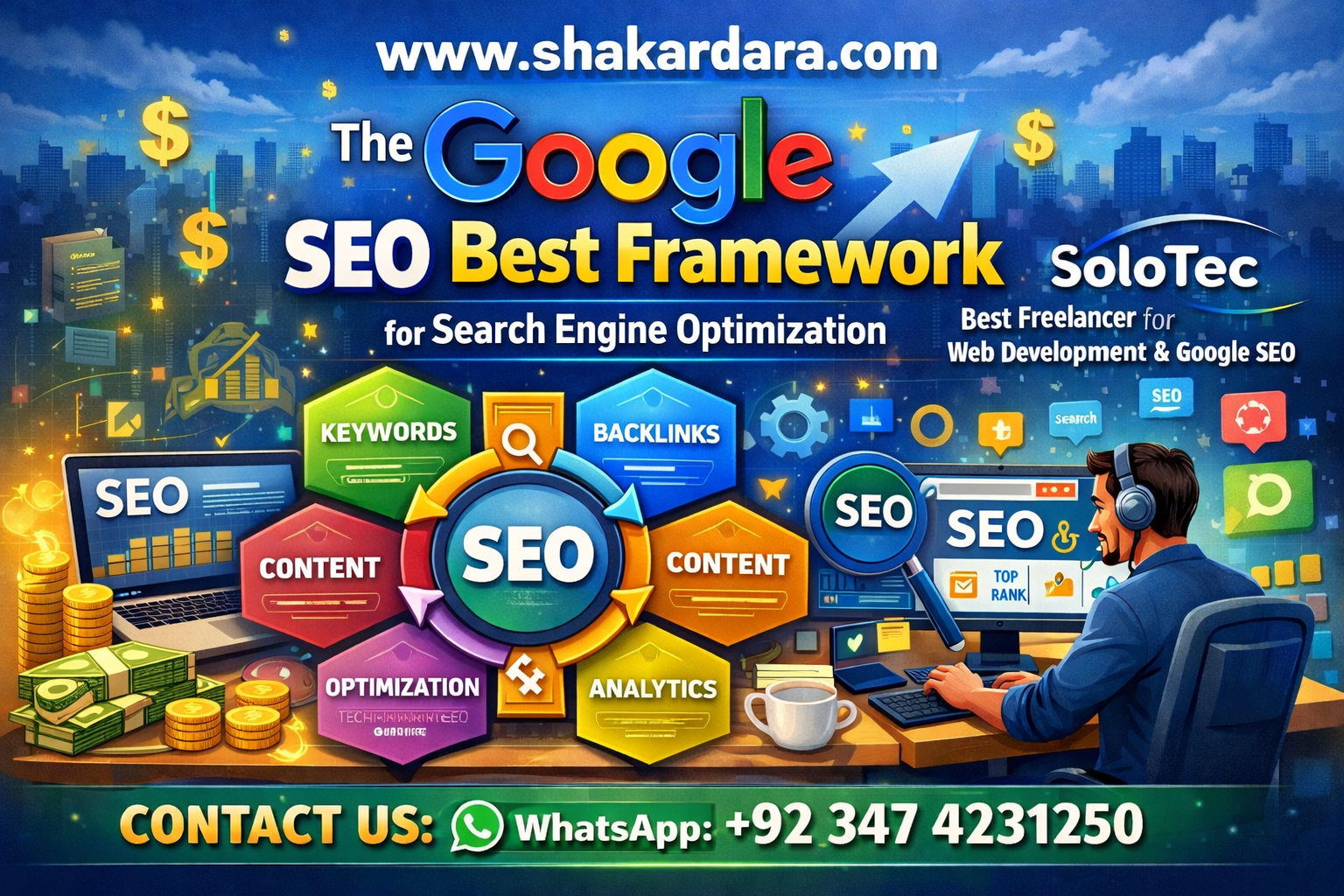 The Google SEO Best Framework for Search Engine Optimization
Search engines prioritize fast-loading websites. Furthermore, mobile responsiveness improves ranking signals. Website security builds user trust and search engine confidence. Meanwhile, regular content updates maintain ranking freshness. Consistent SEO monitoring helps identify improvement areas.
The Google SEO Best Framework for Search Engine Optimization
Professional optimization requires a balanced strategy. Similarly, content, backlinks, and performance metrics influence ranking outcomes. Businesses should monitor competitors regularly. Therefore, SEO frameworks help websites maintain structured improvement plans.
Successful websites rely on long-term strategies rather than shortcuts. Accordingly, search engines reward consistent improvement. The correct Google SEO method helps maintain ranking stability. Strong implementation of a structured SEO framework supports authority development. Professional search engine optimization practices help websites attract global audiences. Ultimately, the SEO best framework ensures sustainable digital growth through an organized Google SEO framework approach.
Contact me on WhatsApp or via the Freelancer platform for Google SEO.
Understanding the Core Structure of SEO Frameworks
Every website needs a structured optimization model. Therefore, understanding the Google SEO structure remains essential. SEO frameworks provide step-by-step ranking strategies. Consequently, businesses achieve measurable performance growth. A well-organized SEO framework helps websites improve technical performance and content relevance.
Search engines evaluate multiple ranking factors simultaneously. Moreover, optimization requires coordination between content, design, and performance. The correct search engine optimization plan improves crawling and indexing. Additionally, structured SEO improves user engagement signals.
Keyword Research and Strategy Development
Keyword research forms the base of SEO success. First, businesses must identify user search behavior. Subsequently, selecting relevant keywords improves ranking opportunities. The SEO best framework requires targeted keyword mapping. Accurate research strengthens content relevance and ranking authority.
Moreover, keyword clustering improves topical authority. Long-tail keywords support conversion opportunities. Similarly, competitor keyword analysis reveals ranking gaps. The Google SEO framework encourages balanced keyword usage across content sections.
Content Optimization Strategy
Content quality determines ranking success. Therefore, websites must publish valuable and informative articles. Strong Google SEO strategies focus on user satisfaction. Additionally, structured formatting improves readability and engagement.
Search engines prefer original and informative content. Meanwhile, structured headings improve crawl efficiency. The SEO framework encourages keyword placement within headings and paragraphs. Effective search engine optimization improves dwell time and bounce rate control.
Technical SEO and Website Performance
Technical optimization strengthens search engine crawling. Therefore, websites must focus on performance improvements. Strong Google SEO depends on site structure and speed optimization. Technical accuracy supports website indexing and ranking.
Website Speed Optimization
Website speed influences ranking performance directly. Consequently, slow websites lose visitors and ranking potential. The SEO best framework recommends compressed images and optimized scripts. Fast-loading websites improve user experience and ranking signals.
Moreover, content delivery networks improve loading performance. Browser caching improves website speed and stability. Similarly, server optimization improves website response time. The Google SEO framework supports consistent performance monitoring.
Mobile Responsiveness and User Experience
Mobile users dominate global traffic today. Therefore, websites must ensure mobile compatibility. Strong Google SEO requires responsive design and flexible layouts. Mobile-friendly websites receive better ranking signals.
Additionally, touch-friendly navigation improves user satisfaction. Search engines analyze mobile usability signals. The SEO framework ensures design flexibility across devices. Effective search engine optimization increases mobile user engagement.
On-Page SEO Implementation
On-page optimization directly influences ranking visibility. Therefore, websites must structure content carefully. The correct Google SEO approach improves keyword relevance and content clarity. On-page SEO helps search engines understand page context.
Meta Tags and Title Optimization
Meta tags influence search engine indexing and user click behavior. Consequently, optimized titles improve visibility and traffic. The SEO best framework recommends keyword placement within titles and descriptions. Proper formatting increases search result engagement.
Additionally, structured meta descriptions improve click-through rates. Search engines evaluate metadata relevance. The Google SEO framework supports keyword optimization across metadata.
Internal Linking Structure
Internal linking improves navigation and crawl efficiency. Therefore, websites must connect related pages logically. Strong Google SEO encourages strategic linking across content. Internal links distribute page authority effectively.
Moreover, structured linking improves user browsing behavior. The SEO framework recommends anchor text optimization. Effective search engine optimization improves site architecture clarity.
Off-Page SEO and Authority Building
Off-page SEO strengthens website credibility through external signals. Therefore, businesses must build high-quality backlinks. Strong Google SEO strategies focus on authoritative link building. Backlinks improve website trust and ranking performance.
Backlink Development Strategies
Quality backlinks improve domain authority significantly. Consequently, websites must focus on natural link building. The SEO best framework encourages guest posting and outreach campaigns. High-quality backlinks improve organic traffic growth.
Additionally, influenced collaborations improve brand authority. Search engines evaluate backlink quality carefully. The Google SEO framework emphasizes link relevance and trust signals.
Social Signals and Brand Authority
Social media improves website visibility and audience engagement. Therefore, businesses must maintain active social platforms. Strong Google SEO benefits from social sharing and brand mentions. Social signals improve website authority indirectly.
Moreover, user interaction improves content reach. The SEO framework supports multi-platform promotion strategies. Effective search engine optimization improves brand awareness and traffic consistency.
Content Marketing and SEO Integration
Content marketing strengthens long-term ranking performance. Therefore, websites must create valuable educational content. Strong Google SEO depends on consistent content publishing. Content marketing improves audience engagement and trust.
Blog Content Strategy
Blogs improve keyword targeting and audience education. Consequently, structured blogging improves ranking stability. The SEO best framework encourages content calendar planning. Regular blog publishing improves website freshness signals.
Additionally, multimedia content improves engagement rates. Search engines evaluate content diversity positively. The Google SEO framework supports multimedia optimization strategies.
User Intent Optimization
User intent determines content success. Therefore, websites must analyze search behavior carefully. Strong Google SEO requires matching content with user expectations. Content alignment improves ranking accuracy.
Moreover, intent-focused content improves conversion opportunities. The SEO framework supports user-focused content development. Effective search engine optimization improves audience retention and engagement.
SEO Monitoring and Performance Analysis
SEO success requires continuous performance tracking. Therefore, businesses must monitor ranking metrics regularly. Strong Google SEO relies on data-driven decision-making. Monitoring helps identify ranking improvements and weaknesses.
Analytics and Performance Metrics
Website analytics reveal user behavior patterns. Consequently, businesses understand traffic sources and engagement metrics. The SEO best framework encourages regular performance audits. Analytics tools help identify ranking opportunities.
Additionally, keyword tracking improves strategy refinement. Search engines update their algorithms frequently. The Google SEO framework supports performance adjustment strategies.
Competitor Analysis and Market Research
Competitor analysis reveals industry ranking strategies. Therefore, businesses must evaluate competitor content and backlinks. Strong Google SEO improves through competitor benchmarking. Market research reveals keyword trends and ranking opportunities.
Moreover, strategic analysis improves SEO planning. The SEO framework encourages continuous competitor evaluation. Effective search engine optimization improves market positioning.
Future Trends in SEO Frameworks
SEO evolves continuously with algorithm updates. Therefore, businesses must stay updated with ranking trends. Strong Google SEO requires adaptation to AI-driven search models. Future frameworks focus on user experience and content quality.
Artificial Intelligence and SEO
AI improves search result accuracy and personalization. Consequently, websites must create user-focused content. The SEO best framework supports AI-based optimization strategies. AI tools improve keyword research and content planning.
Additionally, automation improves SEO efficiency. Search engines prioritize semantic search capabilities. The Google SEO framework supports natural language optimization strategies.
Voice Search and Emerging Technologies
Voice search continues growing globally. Therefore, websites must optimize conversational keywords. Strong Google SEO supports voice-based search queries. Voice optimization improves accessibility and user engagement.
Moreover, emerging technologies influence ranking signals. The SEO framework encourages adaptive optimization strategies. Effective search engine optimization ensures future ranking sustainability.
In Conclusion
SEO frameworks provide structured optimization pathways. Therefore, businesses must implement systematic SEO strategies. Strong Google SEO improves visibility, authority, and traffic performance. Structured implementation ensures long-term ranking success.
Additionally, websites must focus on technical accuracy and content quality. The SEO best framework supports balanced optimization strategies. Regular monitoring ensures ranking stability and improvement.
Modern businesses depend heavily on online visibility. Consequently, structured frameworks improve marketing success. The Google SEO framework provides sustainable optimization strategies. Professional search engine optimization ensures global digital growth and website authority.