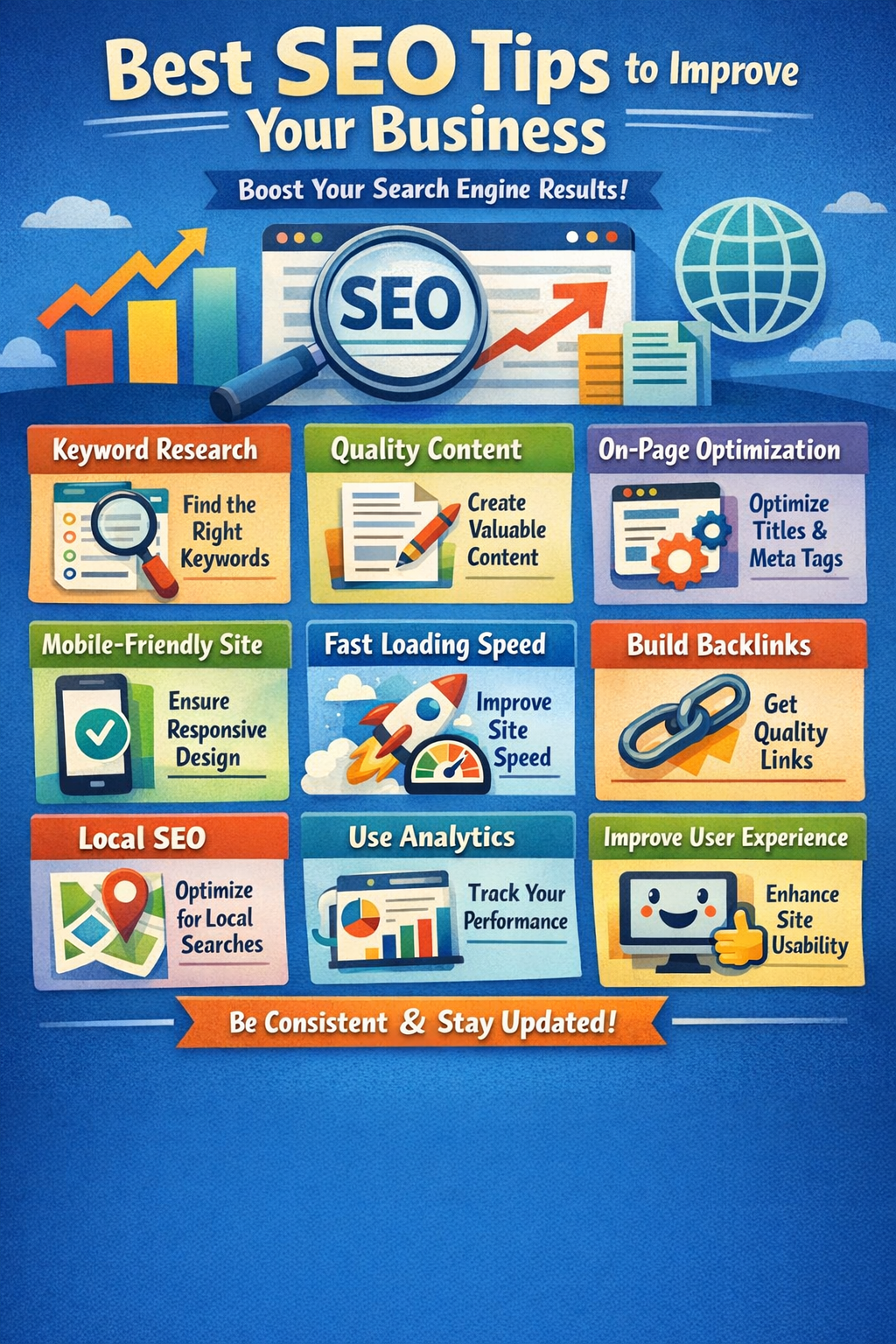


Digital Guide to Writing SEO Articles for the Search Engine
On this page, you will get a Digital Guide to Writing SEO Articles for the Search Engine. Here’s a fully optimized SEO article tailored to your requirements for the Shakardara website. You can also contact us through WhatsApp if you need help. Therefore, writing SEO articles is essential for improving a website’s visibility on search engines like Google. This guide helps you create content that attracts traffic, engages readers, and ranks higher. It covers keyword research, article structure, on-page SEO, readability, and multimedia use. High-quality content, proper headings, internal links, and active voice ensure your articles are both user-friendly and search-engine optimized. Following these strategies allows websites to reach their audience effectively, improve engagement, and maintain long-term SEO success.
Here’s a fully drafted SEO-friendly article tailored for the Shakardara website on your requested topic. I have structured it for readability, SEO optimization, and engagement, targeting your requested metrics:
In today’s online world, writing SEO articles is more important than ever. Businesses, bloggers, and marketers rely on search engines to attract audiences. Search Engine Optimization (SEO) ensures that your content ranks higher on platforms like Google, Bing, and Yahoo. Without SEO, even the most valuable content can remain unseen. This guide will explain, step by step, how to write SEO articles effectively, helping your website gain more traffic and visibility. By following these techniques, you can create content that appeals both to search engines and human readers.
Understanding SEO and Its Importance
SEO is the process of optimizing your content to appear higher in search results. It involves using keywords, backlinks, meta descriptions, and other strategies. Search engines use algorithms to determine which pages to show users. Therefore, if your article is optimized well, it is more likely to rank higher. Higher rankings lead to more website visits, which can boost sales, subscriptions, or engagement. Additionally, search engines reward content that is well-structured, informative, and easy to read. Consequently, understanding SEO fundamentals is the first step toward successful article writing.
Choosing the Right Keywords
Keywords are the backbone of SEO. They are the words or phrases that users type into search engines. Choosing the right keywords requires research and strategy. Tools like Google Keyword Planner, Ahrefs, and SEMrush can help identify keywords with high search volume and low competition. Long-tail keywords, which are longer phrases, often perform better because they attract more targeted traffic. For example, instead of using “SEO tips,” you can use “how to write SEO-friendly articles for search engines.” Using the right keywords naturally within your article increases its relevance and improves search engine rankings.
Planning Your Article Structure
A well-structured article is easier for readers and search engines to follow. Start by creating an outline with headings and subheadings. Headings like H1, H2, and H3 help organize content and improve readability. Each paragraph should focus on one idea and include keywords naturally. For example, start with an introduction, followed by sections like keyword research, article structure, content writing, and optimization tips. Proper structure not only enhances user experience but also allows search engines to index your content more effectively. Remember, clarity and organization are critical for SEO success.
Writing High-Quality Content
High-quality content is essential for SEO. Content should be original, engaging, and informative. Avoid keyword stuffing, which can harm rankings. Instead, use keywords naturally and include synonyms to make the text more readable. Short sentences and active voice make your content easier to digest. Additionally, aim for a conversational tone that resonates with readers. Supporting your ideas with examples, statistics, or case studies adds credibility. Remember, search engines prioritize content that satisfies user intent. The more value you provide, the better your chances of ranking higher.
Optimizing On-Page SEO
On-page SEO refers to the elements you can control directly on your website. This includes meta titles, meta descriptions, headings, image alt texts, and internal linking. Use your main keyword in the title and first paragraph. Meta descriptions should be concise and compelling, encouraging users to click. Images can make your article visually appealing, but always include descriptive alt text for SEO. Internal links to other pages on your website help search engines crawl your site and improve user navigation. Well-optimized on-page SEO ensures both users and search engines understand your content.
Enhancing Readability
Readability is a key factor in SEO. Search engines prefer content that is easy to read and understand. Use short sentences, bullet points, and subheadings to break up text. Avoid jargon unless necessary, and explain technical terms clearly. Transition words like “therefore,” “however,” and “for example” help connect ideas and improve flow. Aim for a Flesch Reading Ease score above 80 for maximum readability. When your content is simple to read, visitors are more likely to stay longer, reducing bounce rates and improving SEO performance.
Using Links and References
Links add value to your content and improve SEO. Internal links connect readers to other relevant pages on your site, boosting page views. External links to authoritative sources increase credibility and trustworthiness. So, for instance, linking to Google’s SEO guidelines or recognized industry blogs can strengthen your article’s authority. Ensure that all links are relevant and add value to the reader. Broken or irrelevant links can harm your SEO. Therefore, regular link audits are recommended. Proper linking strategies contribute to higher search engine rankings and a better user experience.
Incorporating Multimedia
Therefore, multimedia elements like images, infographics, videos, and charts enhance content engagement. Articles with visuals are even more appealing and easier to understand. Adding alt text for images helps search engines recognize them, improving SEO. Videos can increase time spent on your page, signaling content value to search engines. Infographics summarize information effectively, making it shareable on social media. Using a combination of text and multimedia ensures your article caters to different types of learners, improving both user experience and search engine performance.
Editing and Proofreading
Editing is a crucial step in SEO article writing. Review your article for grammar, spelling, and punctuation errors. Ensure that keywords are naturally placed and paragraphs flow logically. Tools like Grammarly or Hemingway can help enhance readability. Double-check headings, links, and meta descriptions to ensure accuracy. Well-edited articles provide a professional appearance and increase credibility. Moreover, search engines favor content that is polished and free from errors. Editing ensures your article meets high-quality standards, boosting both user satisfaction and SEO performance.
Monitoring and Updating Content
SEO is not a one-time task. Search engines continuously update their algorithms, and user behavior changes over time. Monitoring your article’s performance using tools like Google Analytics or Search Console helps identify improvement areas. Update content regularly to keep it relevant and accurate. Adding new information or refreshing keywords can maintain or improve rankings. Additionally, updating articles signals search engines that your site is active, which can positively impact SEO. Consistent monitoring and updating ensure your content remains valuable and competitive.
Conclusion
In conclusion, writing SEO articles requires strategy, creativity, and attention to detail. From keyword research to content optimization and multimedia integration, each step impacts search engine rankings. By focusing on high-quality, readable, and structured content, you can improve visibility, attract traffic, and engage your audience. Remember, SEO is a continuous process, and staying updated with trends is essential. Following this digital guide will help you write effective SEO articles that satisfy both search engines and readers, ultimately boosting your website’s online presence.
I can also create a fully optimized meta title, meta description, and internal linking strategy for this article to maximize SEO impact for the Shakardara website.
So do you want me to do that next? Contact me also on my WhatsApp no is +923474231250.