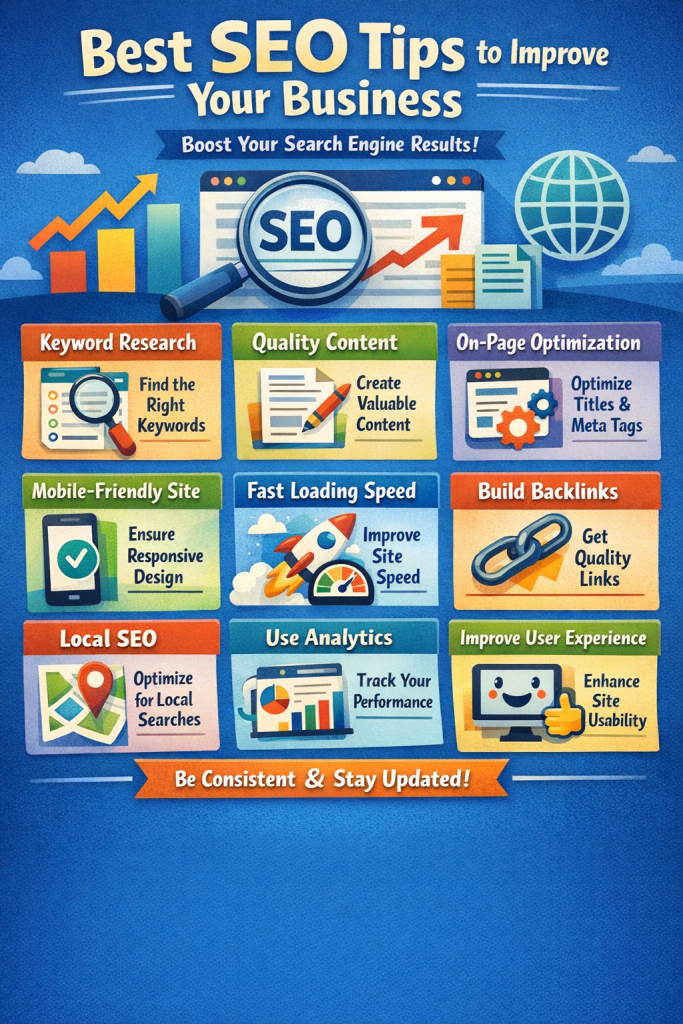

Search Engine Optimization Planning for Google Websites helps businesses grow online. A good plan improves visibility and increases website traffic. Moreover, it helps websites reach the right audience. Google rewards websites that follow clear SEO practices. Therefore, every business should create a strong SEO strategy.
A successful website needs more than attractive design. It also needs proper planning. Furthermore, SEO planning helps search engines understand website content. As a result, pages gain better rankings in search results.
Many website owners publish content without a clear plan. However, this approach often creates poor results. A structured SEO process improves performance. Consequently, businesses gain more visitors and potential customers.
Search Engine Optimization Planning, Google SEO Strategy, Website SEO Planning, Google Website Optimization, and SEO Ranking Plan are important elements of digital growth. These keywords support better visibility when used naturally.
Search Engine Optimization Planning for Google Websites
Shakardara provides affordable services for businesses worldwide. In addition, Shakardara offers free consultations for web development, SEO, content writing, Google ranking, and monthly website maintenance. For direct assistance, contact through WhatsApp: +923474231250.
Search Engine Optimization Planning for Google Websites is an essential process for businesses that want to succeed online. Every website needs a clear strategy to improve visibility, attract visitors, and increase conversions. Moreover, proper planning helps search engines understand website content and deliver it to the right audience. As a result, businesses can achieve stronger rankings and sustainable growth.

Google remains the most popular search engine worldwide. Therefore, website owners must follow proven SEO practices to compete effectively. A well-structured SEO plan includes keyword research, content creation, technical optimization, website performance improvements, and ongoing maintenance. Furthermore, these elements work together to support better search engine rankings and user experiences.
Successful SEO does not happen by chance. Instead, it requires careful planning, consistent effort, and regular monitoring. Businesses that invest in Search Engine Optimization Planning, Google SEO Strategy, Website SEO Planning, Google Website Optimization, and an effective SEO Ranking Plan often achieve long-term online success. Consequently, they gain more targeted traffic, higher brand visibility, and increased business opportunities.
This comprehensive guide explains the step-by-step process of creating a successful SEO strategy for Google websites. Additionally, it covers keyword research, content optimization, technical SEO, backlink development, local SEO, website maintenance, and performance tracking. By following these proven methods, businesses can build a strong online presence and achieve lasting results in competitive search markets.
Understanding Search Engine Optimization Planning
Search engine optimization planning creates a roadmap for online success. First, it identifies business goals. Next, it defines target audiences. After that, it establishes clear SEO actions. This process improves website performance over time.
Google prefers websites with organized content. Therefore, planning becomes an essential step. A strong plan reduces mistakes and improves efficiency. Likewise, it helps website owners focus on important tasks.
SEO planning also supports long-term growth. Instead of chasing quick results, businesses build a stable foundation. Consequently, websites gain authority and trust. Better authority often leads to stronger rankings.
Moreover, planning allows businesses to measure progress. Website owners can track traffic, rankings, and conversions. As a result, they can adjust strategies when necessary. Continuous improvement remains a key part of SEO success.
Why Google SEO Strategy Matters
Google handles billions of searches every day. Therefore, businesses need a clear strategy to compete. A strong Google SEO Strategy increases visibility and attracts qualified visitors.
Without a strategy, websites often miss opportunities. For example, pages may target the wrong keywords. As a result, rankings remain low. A planned strategy solves this issue by focusing on user intent.
Furthermore, Google updates its algorithms regularly. Businesses that follow a strategy can adapt quickly. Consequently, they maintain strong search performance. Consistency becomes easier when every action follows a defined plan.
An effective strategy also improves content quality. Search engines value useful information. Therefore, websites with relevant content gain better results. Strong planning supports content creation and optimization efforts.
Setting Clear SEO Goals
SEO goals provide direction. First, businesses must decide what they want to achieve. Some companies focus on traffic. Others focus on leads or sales. Clear goals help define priorities.
Specific goals improve decision-making. For example, increasing organic traffic by twenty percent creates a measurable target. Consequently, businesses can track progress accurately.
Goals should remain realistic. Moreover, they should match business objectives. A local company may target local searches. Meanwhile, an international company may target global keywords.
SEO goals also encourage accountability. Teams understand their responsibilities. As a result, projects move forward smoothly. Regular reviews help maintain focus and support continuous improvement.
Identifying the Target Audience
Understanding the audience improves SEO performance. First, businesses should identify customer needs. Next, they should learn search behavior. This information guides content creation.
Audience research reveals common questions. Therefore, businesses can create content that solves real problems. Helpful content often earns higher rankings. In addition, it increases visitor engagement.
Demographic information also matters. Age, location, and interests influence search habits. Consequently, businesses can create relevant pages. Better relevance improves user satisfaction.
Furthermore, audience analysis helps keyword selection. Businesses discover phrases people use during searches. As a result, optimization becomes more effective. Audience knowledge remains a critical part of successful SEO planning.
Researching Competitors for Better Results
Competitor analysis provides valuable insights. First, identify leading websites in the industry. Next, examine their content and keyword strategies. This process highlights strengths and weaknesses.
Competitor research reveals ranking opportunities. For example, some keywords may have low competition. Therefore, businesses can target them effectively. Quick wins often support early growth.
Additionally, competitor analysis helps improve content quality. Businesses can create more detailed resources. As a result, visitors receive greater value. Better content often earns stronger rankings.
Research also uncovers backlink opportunities. Many successful websites gain links from trusted sources. Consequently, businesses can pursue similar partnerships. A thorough review creates a stronger SEO foundation.
Building a Website SEO Planning Framework
A framework organizes SEO activities. First, create a website structure. Next, define content categories. After that, establish optimization procedures. This process improves efficiency.
A structured framework supports growth. Moreover, it helps teams manage large websites. Clear organization improves navigation and user experience. Consequently, visitors find information quickly.
Google values user-friendly websites. Therefore, structure plays an important role. Organized pages help search engines understand content relationships. Better understanding often improves rankings.
A framework also simplifies future updates. Businesses can add new content without confusion. As a result, website expansion becomes easier. Long-term success depends on strong planning and organization.
Conducting Effective Keyword Research
Keyword research forms the core of every SEO campaign. First, businesses should identify search terms related to their services. Next, they should analyze search volume and competition. This process reveals valuable opportunities.
A strong keyword list improves content planning. Therefore, businesses can create pages that match user intent. Relevant content attracts visitors who need specific solutions. Consequently, engagement rates often improve.
Long-tail keywords provide additional benefits. These phrases target focused audiences. As a result, they often convert better than broad terms. Lower competition also increases ranking opportunities.
Moreover, keyword research supports website expansion. Businesses discover new topics and content ideas. Therefore, they can address customer needs more effectively. Consistent research strengthens every aspect of SEO planning.
Selecting High-Value SEO Keywords
Keyword selection requires careful evaluation. First, businesses should focus on relevance. Search terms must match products, services, or information offered on the website.
Search volume also matters. However, high volume alone does not guarantee success. Therefore, businesses should balance volume with competition levels. This approach creates realistic ranking opportunities.
Additionally, user intent should guide keyword choices. Some visitors seek information. Others want products or services. Consequently, content should satisfy these different needs.
A well-balanced keyword portfolio improves visibility. Furthermore, it supports long-term growth. Businesses can target multiple search opportunities. As a result, website traffic becomes more diverse and sustainable.
Mapping Keywords to Website Pages
Keyword mapping improves organization. First, assign a primary keyword to each page. Next, select supporting keywords that relate to the main topic. This process prevents confusion.
Search engines prefer clear content themes. Therefore, each page should focus on one primary subject. Concentrated optimization strengthens relevance and improves ranking potential.
Keyword mapping also prevents duplication. Multiple pages should not compete for the same keyword. Consequently, search engines can identify the most relevant page.
Furthermore, mapping improves content planning. Businesses know where each keyword belongs. As a result, optimization becomes more efficient. Strong keyword organization supports better SEO performance.
Creating Content Around Search Intent
Search intent explains why users perform searches. Therefore, businesses must understand visitor goals before creating content. Relevant information improves user satisfaction and engagement.
Informational searches require educational content. For example, guides and tutorials answer common questions. Consequently, users receive valuable information. Search engines often reward helpful resources.
Commercial searches focus on products and services. Therefore, businesses should provide detailed descriptions and benefits. Clear information supports purchasing decisions.
Transactional searches indicate strong buying intent. Accordingly, pages should include calls to action and conversion elements. Matching content to intent improves results and strengthens website performance.
Using Data to Improve SEO Decisions
Data helps businesses make informed decisions. First, monitor website traffic trends. Next, evaluate keyword rankings and visitor behavior. These insights reveal strengths and weaknesses.
Analytics tools provide valuable information. Therefore, businesses can identify successful pages. They can also discover underperforming content. Continuous analysis supports improvement.
Moreover, data helps measure campaign effectiveness. Businesses can compare results against goals. Consequently, adjustments become easier and more accurate.
Regular reporting improves accountability. Furthermore, it highlights opportunities for growth. Better decisions lead to stronger rankings and improved online visibility.
Optimizing Website Structure for Google
Website structure affects both users and search engines. First, create a logical navigation system. Next, organize pages into clear categories. This approach improves accessibility.
Google values websites that provide positive user experiences. Therefore, visitors should find information quickly. Simple navigation supports better engagement and lower bounce rates.
Internal linking also strengthens website structure. Relevant links connect related pages. Consequently, users explore additional content. Search engines gain a better understanding of website relationships.
A clear structure supports scalability. Furthermore, it simplifies future expansion. Businesses can add new content without disrupting organization. Strong architecture remains essential for SEO success.
Improving URL Structure
URLs should remain simple and descriptive. First, include relevant keywords when appropriate. Next, remove unnecessary words and numbers. Clean URLs improve readability.
Users often trust clear URLs. Therefore, descriptive addresses encourage clicks. Better click-through rates support overall website performance.
Search engines also benefit from organized URLs. Consequently, they can understand page topics more easily. Improved understanding may support ranking improvements.
Additionally, consistency matters. Every URL should follow the same structure. As a result, website organization becomes stronger. Well-planned URLs contribute to effective optimization.
Creating SEO-Friendly Navigation
Navigation guides visitors through a website. Therefore, menus should remain clear and easy to use. Simple navigation improves the user experience.
Visitors often leave confusing websites. Consequently, businesses may lose valuable opportunities. Effective navigation reduces frustration and supports engagement.
Search engines also analyze navigation systems. Therefore, important pages should remain accessible. Strong navigation improves crawling and indexing.
Furthermore, organized menus help distribute authority across pages. Internal links connect valuable content. As a result, websites gain stronger optimization benefits.
Building a Strong Internal Linking System
Internal links connect related content. First, identify important pages. Next, create relevant links between supporting articles and resources. This strategy improves navigation.
Internal linking distributes authority throughout the website. Consequently, important pages gain additional support. Search engines understand content relationships more effectively.
Visitors also benefit from internal links. Therefore, they can discover useful information quickly. Increased engagement often improves website performance.
Moreover, strong linking encourages longer sessions. Users spend more time exploring content. As a result, websites create better experiences and stronger SEO outcomes.
Enhancing Mobile Website Performance
Mobile optimization remains essential. Most users access websites through mobile devices. Therefore, businesses must provide responsive experiences.
Mobile-friendly websites load correctly on different screens. Consequently, visitors enjoy smooth navigation. Positive experiences support engagement and conversions.
Google uses mobile-first indexing. Therefore, mobile performance directly influences rankings. Fast and responsive websites gain competitive advantages.
Additionally, mobile optimization improves accessibility. More users can access content comfortably. As a result, businesses reach larger audiences and strengthen online visibility.
Developing a Powerful Content Strategy
Content drives online visibility. Therefore, businesses should create useful and relevant information. High-quality content attracts visitors and builds trust. Consequently, websites gain stronger search performance.
A content strategy provides direction. First, identify audience needs. Next, create topics that answer common questions. This process improves relevance and engagement.
Consistency also matters. Regular publishing keeps websites active. Moreover, fresh content encourages search engines to revisit pages. Frequent updates support long-term growth.
Content should focus on value. Therefore, every article should solve a problem or provide useful guidance. Helpful information encourages visitors to stay longer. As a result, websites improve user engagement and SEO performance.
Creating High-Quality Website Content
Quality content supports strong rankings. First, write clear and accurate information. Next, organize content with logical headings and short paragraphs. This structure improves readability.
Visitors prefer easy-to-understand content. Therefore, businesses should avoid unnecessary complexity. Simple language improves communication and user satisfaction.
Originality remains important. Furthermore, unique content helps websites stand out. Search engines reward pages that provide fresh value. Consequently, originality supports better rankings.
Useful content also encourages sharing. Readers often recommend valuable resources. As a result, websites gain additional exposure and authority. Quality content remains a critical SEO asset.
Using SEO Keywords Naturally
Keywords help search engines understand content. Therefore, businesses should place them naturally within articles. Forced keyword usage can reduce readability and user satisfaction.
The keyword Search Engine Optimization Planning should appear where relevant. Likewise, Google SEO Strategy should fit naturally into discussions about optimization. Proper placement improves content quality.
Additionally, Website SEO Planning supports topic relevance. Meanwhile, Google Website Optimization strengthens subject focus. The keyword SEO Ranking Plan further supports optimization goals.
Natural integration improves reader experience. Consequently, visitors engage with content more effectively. Search engines also recognize relevance without excessive keyword repetition.
Writing Content for Users First
User-focused content creates better results. Therefore, businesses should address audience needs before search engine requirements. Helpful information builds trust and authority.
Readers value practical solutions. Consequently, content should provide clear answers and actionable advice. Useful information encourages repeat visits.
Google also prioritizes user satisfaction. Therefore, pages that meet visitor expectations often perform better. Positive experiences support stronger rankings.
Furthermore, user-focused writing improves engagement metrics. Visitors spend more time on valuable pages. As a result, websites gain additional SEO benefits.
Updating Existing Content Regularly
Content updates improve relevance. First, review older pages. Next, identify outdated information. This process keeps content accurate and useful.
Search engines value fresh information. Therefore, regular updates support visibility. Updated pages often maintain stronger rankings.
Businesses should also add new insights. Moreover, they should improve formatting and readability. Better presentation enhances user experience.
Frequent updates demonstrate commitment to quality. Consequently, visitors trust the website more. Strong trust supports long-term SEO success.
Implementing On-Page SEO Techniques
On-page SEO improves individual pages. First, optimize titles and headings. Next, improve content structure and keyword placement. These actions strengthen relevance.
Google evaluates many on-page factors. Therefore, businesses should optimize every important element. Attention to detail improves performance.
Effective on-page SEO supports user experience. Moreover, it helps search engines understand page topics. Better understanding often leads to improved rankings.
Consistent optimization creates long-term benefits. Consequently, websites become more competitive. Strong on-page practices remain essential for sustainable growth.
Optimizing Title Tags
Title tags influence rankings and clicks. Therefore, every page should include a unique title. Descriptive titles improve search visibility.
Users often see title tags first. Consequently, compelling titles encourage clicks. Higher click-through rates can improve performance.
Relevant keywords should appear naturally in titles. However, excessive optimization should be avoided. Balance improves readability and effectiveness.
Strong titles also communicate value. Therefore, visitors understand page content before clicking. Clear expectations improve user satisfaction.
Writing Effective Meta Descriptions
Meta descriptions summarize page content. Therefore, they should remain informative and engaging. Well-written descriptions encourage users to visit the page.
Search engines may display meta descriptions in results. Consequently, strong descriptions improve click potential. More clicks often support website growth.
Descriptions should match page content accurately. Furthermore, they should include important information. Honest summaries improve user trust.
Regular reviews improve effectiveness. Therefore, businesses should update descriptions when necessary. Continuous improvement supports better results.
Using Header Tags Correctly
Header tags organize content. First, use H1 for the main topic. Next, use H2 through H6 for supporting sections. This structure improves readability.
Visitors scan content quickly. Therefore, clear headings help users find information. Better navigation improves engagement.
Search engines also analyze headings. Consequently, organized structures improve content understanding. Proper formatting supports optimization efforts.
Additionally, headings break large topics into smaller sections. As a result, content becomes easier to read and understand.
Optimizing Images for Search Engines
Images improve visual appeal. Therefore, businesses should optimize every image properly. Optimized visuals support both user experience and SEO.
File names should remain descriptive. Furthermore, alt text should explain image content. These practices improve accessibility and relevance.
Compressed images load faster. Consequently, page performance improves. Faster websites often achieve better user engagement.
Image optimization also supports search visibility. Therefore, businesses can attract traffic through image searches. Proper optimization creates additional opportunities.
Strengthening Google Website Optimization
Google Website Optimization focuses on overall website performance. First, improve speed and usability. Next, enhance content quality and technical structure. These actions support rankings.
Optimization requires continuous effort. Therefore, businesses should monitor website performance regularly. Ongoing improvements maintain competitiveness.
Google rewards websites that provide excellent experiences. Consequently, user-focused optimization remains essential. Positive experiences support traffic growth.
A comprehensive approach produces stronger results. Furthermore, it supports long-term visibility. Effective optimization helps businesses achieve sustainable success.
Improving Website Loading Speed
Website speed influences user satisfaction. Therefore, pages should load quickly on all devices. Fast websites reduce visitor frustration.
Slow websites often lose traffic. Consequently, businesses may miss valuable opportunities. Performance improvements support retention and conversions.
Image compression improves loading times. Moreover, efficient coding reduces unnecessary delays. These actions enhance performance.
Google values fast websites. Therefore, speed optimization contributes to better rankings. Improved performance benefits both users and search engines.
Understanding Technical SEO Fundamentals
Technical SEO supports website performance behind the scenes. First, search engines must access website pages. Next, they must understand content correctly. This process improves indexing and visibility.
A technically optimized website performs better. Therefore, businesses should review technical elements regularly. Strong technical foundations support every SEO effort.
Google values websites that function smoothly. Consequently, technical improvements often lead to better rankings. Reliable performance enhances user satisfaction.
Moreover, technical SEO reduces barriers to crawling. Search engines can discover content efficiently. As a result, websites gain stronger visibility and long-term growth opportunities.
Improving Website Crawlability
Crawlability determines how search engines access content. Therefore, businesses should ensure important pages remain available. Easy access improves indexing.
Search engine bots follow links throughout a website. Consequently, broken links create obstacles. Regular maintenance helps prevent these issues.
A logical website structure supports efficient crawling. Furthermore, organized navigation helps search engines discover content quickly. Better access strengthens optimization efforts.
Businesses should monitor crawl reports regularly. Therefore, they can identify problems early. Fast corrections improve website performance and search visibility.
Managing XML Sitemaps Effectively
An XML sitemap lists important website pages. Therefore, search engines can understand site structure more easily. Proper sitemaps improve content discovery.
Sitemaps support indexing efforts. Consequently, new content may appear in search results faster. Quick indexing benefits growing websites.
Regular updates keep sitemaps accurate. Moreover, updated files help search engines identify changes. Better communication supports optimization goals.
A complete sitemap improves efficiency. Therefore, businesses should include all important pages. Strong sitemap management contributes to better SEO outcomes.
Using Robots.txt Correctly
The robots.txt file provides crawling instructions. Therefore, businesses can guide search engine bots effectively. Proper configuration prevents indexing problems.
Some pages should remain private. Consequently, robots.txt can limit crawler access when necessary. Controlled access improves website management.
However, mistakes can block important content. Therefore, businesses should review settings carefully. Accurate configuration supports visibility.
Regular audits improve reliability. Furthermore, monitoring prevents accidental restrictions. Effective management strengthens technical SEO performance.
Fixing Broken Links and Errors
Broken links create poor experiences. Therefore, businesses should identify and repair them quickly. Working links support navigation.
Visitors expect functional websites. Consequently, broken pages reduce trust and engagement. Repairs improve user satisfaction.
Search engines also evaluate website quality. Therefore, excessive errors may affect performance. Regular maintenance prevents long-term issues.
Error monitoring supports optimization efforts. As a result, websites remain reliable and accessible. Strong maintenance contributes to sustained SEO success.
Building Website Authority Through Backlinks
Backlinks remain important ranking factors. First, they signal trust and credibility. Next, they help search engines evaluate authority. Quality backlinks support stronger visibility.
Google values trustworthy recommendations. Therefore, links from respected websites provide significant benefits. Strong backlinks improve ranking potential.
Businesses should focus on quality rather than quantity. Consequently, a few trusted links often outperform many weak links. Strategic efforts create better outcomes.
Authority grows over time. Moreover, consistent link-building strengthens reputation. Long-term commitment supports sustainable SEO growth.
Creating Link-Worthy Content
Valuable content attracts backlinks naturally. Therefore, businesses should publish helpful resources. High-quality content encourages sharing and references.
Research-based articles often earn attention. Consequently, industry professionals may link to useful information. Strong resources support authority building.
Detailed guides also perform well. Furthermore, educational content solves audience problems. Helpful information increases backlink opportunities.
Content quality remains essential. Therefore, businesses should focus on usefulness and originality. Strong content supports long-term SEO success.
Guest Posting for Authority Growth
Guest posting expands reach. Therefore, businesses can share expertise with new audiences. Exposure increases visibility and credibility.
Trusted websites often accept valuable contributions. Consequently, guest articles create backlink opportunities. Relevant links support authority development.
Content quality remains important. Moreover, guest posts should provide genuine value. Useful information strengthens reputation.
Strategic guest posting supports long-term growth. Therefore, businesses should focus on reputable websites. Quality partnerships improve SEO performance.
Building Relationships Within the Industry
Professional relationships create opportunities. Therefore, businesses should engage with industry experts. Networking supports collaboration and visibility.
Strong relationships often lead to backlinks. Consequently, trusted connections improve authority. Mutual support benefits all parties.
Industry participation also increases recognition. Furthermore, active involvement demonstrates expertise. Better recognition strengthens credibility.
Consistent communication builds trust. Therefore, businesses should maintain professional relationships over time. Strong networks support sustainable growth.
Monitoring Backlink Quality
Backlink monitoring protects website authority. Therefore, businesses should review link profiles regularly. Quality assessments improve SEO performance.
Some backlinks provide little value. Consequently, businesses should focus on trusted sources. Strong links contribute to rankings.
Monitoring identifies potential issues. Moreover, early detection supports quick solutions. Regular reviews maintain website health.
A clean backlink profile improves credibility. Therefore, businesses should prioritize quality management. Strong oversight supports long-term optimization.
Creating an Effective SEO Ranking Plan
An SEO Ranking Plan provides a clear path to success. First, define ranking objectives. Next, create measurable actions. Structured planning improves results.
Businesses need realistic expectations. Therefore, goals should align with available resources. Practical planning supports progress.
A ranking plan also improves accountability. Consequently, teams understand responsibilities and priorities. Clear direction increases efficiency.
Long-term consistency remains essential. Moreover, regular evaluation supports continuous improvement. Strong planning drives sustainable growth.
Tracking Keyword Performance
Keyword tracking measures progress. Therefore, businesses should monitor rankings regularly. Accurate data supports informed decisions.
Ranking changes reveal opportunities. Consequently, businesses can adjust strategies when needed. Responsive actions improve results.
Tracking also identifies successful content. Furthermore, high-performing pages provide valuable insights. Better understanding supports future planning.
Regular analysis strengthens optimization efforts. Therefore, businesses should review performance consistently. Continuous monitoring supports SEO success.
Measuring Organic Traffic Growth
Organic traffic reflects SEO effectiveness. Therefore, businesses should monitor visitor trends. Growth indicates positive performance.
Traffic reports reveal valuable patterns. Consequently, businesses can identify successful strategies. Data-driven decisions improve outcomes.
User behavior also provides insights. Moreover, engagement metrics highlight content effectiveness. Better understanding supports optimization.
Consistent measurement encourages improvement. Therefore, businesses should review traffic regularly. Ongoing analysis strengthens results.
Evaluating Conversion Performance
Traffic alone is not enough. Therefore, businesses should measure conversions. Effective SEO supports business goals.
Conversions include inquiries, sales, and subscriptions. Consequently, tracking these actions reveals campaign value. Accurate measurement improves decision-making.
Optimization should focus on user needs. Furthermore, clear calls to action encourage engagement. Better experiences improve conversion rates.
Regular evaluation supports growth. Therefore, businesses should refine strategies continuously. Strong conversion tracking improves overall performance.
Adjusting Strategies for Better Rankings
SEO requires flexibility. Therefore, businesses should review results frequently. Adaptation improves competitiveness.
Search trends often change. Consequently, businesses must update strategies when necessary. Timely adjustments support growth.
Performance data guides improvements. Moreover, analytics reveal strengths and weaknesses. Better information supports smarter decisions.
Continuous refinement drives success. Therefore, businesses should embrace ongoing optimization. Strategic adjustments strengthen long-term rankings.
Implementing Local SEO Opportunities
Local SEO helps businesses reach nearby customers. Therefore, location-based optimization remains valuable. Strong local visibility increases opportunities.
Google often displays local search results prominently. Consequently, businesses can attract targeted visitors. Relevant visibility supports growth.
Local SEO also builds trust. Furthermore, accurate information improves customer confidence. Strong credibility enhances engagement.
A comprehensive local strategy supports sustainable results. Therefore, businesses should include local optimization in their overall SEO planning process.
Completing a Successful Local SEO Strategy
Local SEO helps businesses connect with nearby customers. Therefore, accurate business information remains essential. Consistency improves trust and visibility.
Google values reliable business details. Consequently, businesses should maintain updated contact information. Accurate listings support local rankings.
Customer reviews also influence visibility. Moreover, positive feedback strengthens credibility. Strong reputations encourage customer engagement.
Local optimization supports targeted traffic. Therefore, businesses can attract visitors who need immediate solutions. Better targeting often improves conversion rates.
Optimizing Business Profiles
Business profiles improve online presence. Therefore, companies should complete every profile section. Detailed information supports visibility.
Accurate business descriptions help users understand services. Consequently, customers can make informed decisions. Clear communication improves engagement.
Regular updates keep profiles relevant. Furthermore, fresh information supports trust. Consistent maintenance strengthens local SEO efforts.
Professional profiles create positive impressions. Therefore, businesses should focus on accuracy and quality. Strong profiles support long-term growth.
Encouraging Customer Reviews
Reviews influence customer decisions. Therefore, businesses should encourage satisfied customers to share feedback. Positive reviews improve credibility.
Potential customers often read reviews before choosing services. Consequently, strong feedback increases trust. Better trust supports conversions.
Businesses should respond professionally to reviews. Moreover, engagement demonstrates commitment to customer satisfaction. Active communication strengthens relationships.
Review management supports visibility. Therefore, companies should monitor feedback regularly. Consistent attention improves local SEO performance.
Maintaining Consistent Business Information
Consistency improves search engine confidence. Therefore, businesses should use the same information everywhere online. Uniform details strengthen credibility.
Different contact information creates confusion. Consequently, customers may lose trust. Consistency prevents misunderstandings.
Search engines compare business data across platforms. Furthermore, matching information supports ranking signals. Reliable details improve visibility.
Regular audits help maintain accuracy. Therefore, businesses should review listings periodically. Consistent management supports long-term success.
Targeting Local Search Opportunities
Local keywords attract relevant visitors. Therefore, businesses should include location-based terms where appropriate. Strategic targeting improves visibility.
Local content also supports engagement. Consequently, businesses can address regional needs and interests. Relevant information improves user experience.
Community involvement creates additional opportunities. Moreover, local partnerships strengthen visibility. Strong connections support authority.
Effective targeting increases local reach. Therefore, businesses should integrate local SEO into their overall optimization strategy.
Importance of Monthly Website Maintenance
Website maintenance protects performance. Therefore, businesses should schedule regular reviews. Ongoing attention prevents many issues.
Maintenance improves security and reliability. Consequently, visitors experience fewer problems. Better experiences support engagement.
Search engines favor well-maintained websites. Moreover, consistent updates demonstrate professionalism. Reliable websites often perform better.
A maintenance plan supports long-term growth. Therefore, businesses should treat maintenance as a priority. Regular care strengthens SEO results.
Monitoring Website Performance
Performance monitoring identifies opportunities. Therefore, businesses should track key metrics consistently. Data supports informed decisions.
Traffic trends reveal valuable insights. Consequently, companies can evaluate optimization effectiveness. Better understanding supports growth.
Performance reviews also uncover technical issues. Furthermore, early detection prevents larger problems. Quick action improves website reliability.
Continuous monitoring supports improvement. Therefore, businesses should analyze results regularly. Consistent reviews strengthen SEO success.
Checking Website Security
Security protects visitors and businesses. Therefore, websites should use secure connections and updated software. Protection improves trust.
Security issues can damage reputation. Consequently, businesses should address vulnerabilities quickly. Fast action minimizes risks.
Search engines prefer secure websites. Moreover, strong security supports better user experiences. Reliable protection improves credibility.
Regular security reviews remain essential. Therefore, businesses should maintain proactive monitoring. Consistent protection supports long-term growth.
Updating Content and Features
Content updates improve relevance. Therefore, businesses should refresh information regularly. Current content supports engagement.
Website features also require attention. Consequently, businesses should improve functionality when necessary. Better features enhance user experiences.
Fresh content attracts returning visitors. Furthermore, updated resources support search visibility. Ongoing improvements strengthen authority.
Regular updates demonstrate commitment to quality. Therefore, businesses should maintain active websites. Consistent improvements support SEO goals.
Preparing for Future SEO Trends
SEO continues to evolve. Therefore, businesses should stay informed about industry changes. Awareness supports adaptation.
Google frequently updates search algorithms. Consequently, websites must adjust strategies when necessary. Flexibility improves competitiveness.
User expectations also change over time. Moreover, businesses should focus on delivering excellent experiences. User satisfaction remains essential.
Future success requires continuous learning. Therefore, businesses should embrace innovation and improvement. Adaptability supports sustainable growth.
In Conclusion of Search Engine Optimization Planning for Google Websites
Search Engine Optimization Planning provides a clear path to online success. Throughout this guide, we explored essential strategies for improving website visibility and performance. A strong Google SEO Strategy begins with clear goals, audience research, and effective keyword planning. These elements create a solid foundation for long-term growth.
Moreover, Website SEO Planning supports better organization, stronger content, and improved user experiences. Businesses that focus on quality content, proper website structure, and technical optimization often achieve stronger rankings. Consistent effort produces better results than short-term tactics.
Additionally, Google Website Optimization requires ongoing attention. Website speed, mobile performance, content updates, and security all contribute to search success. Regular monitoring helps businesses identify opportunities and address challenges before they affect performance.
An effective SEO Ranking Plan also includes backlink development, local SEO, performance tracking, and continuous improvement. Search engines reward websites that provide value, reliability, and positive user experiences. Therefore, businesses should focus on serving users while following proven optimization practices.
Shakardara supports businesses worldwide with affordable services and free consultations on Freelancer platform. Services include web development, content writing, search engine optimization, Google ranking improvements, and monthly website maintenance. Through proper planning and consistent implementation, businesses can strengthen visibility, attract qualified visitors, and achieve sustainable online growth. A well-executed SEO strategy remains one of the most effective investments for long-term digital success.
 0
0 20
20 20
20 20
20