Search Engine Optimization Rules for Sustainable Google SEO to get ranked in Google search engine. Search engine success needs a clear plan. Many websites chase quick results. However, quick methods often fail over time. Sustainable growth comes from strong practices and steady work. Therefore, website owners should focus on long-term value. A smart SEO plan helps a website gain trust and visibility.
Today, Google rewards useful content. Likewise, it values user experience and technical quality. Businesses that follow proven methods often earn stable rankings. As a result, they attract more visitors and potential customers. Sustainable SEO creates growth that lasts for years.
Search Engine Optimization (SEO) Guide for Google Ranking
Many companies need expert guidance for this process. Shakardara provides support for web development, content writing, Google SEO ranking, search engine optimization, and website maintenance. Furthermore, the team offers free consultations for clients worldwide at affordable prices. For direct assistance, contact through WhatsApp #:+923474231250.
Search Engine Optimization Rules for Sustainable Google SEO
The purpose of this guide is simple. It explains the key rules that support long-term SEO success. Moreover, each section presents practical steps that businesses can apply. These methods help websites improve performance while staying within Google’s guidelines. Consequently, website owners can build authority, trust, and sustainable traffic.
Understanding the Foundation of Search Engine Optimization
Every successful website starts with a strong foundation. First, website owners must understand how search engines work. Search engines crawl pages, index content, and rank results. Therefore, every page should be easy to access and understand.
A clear website structure helps search engines navigate content. In addition, logical navigation improves user experience. Visitors can find information quickly, which increases engagement. As a result, search engines view the website more positively.
Quality content also forms the foundation of SEO. Each page should answer specific user questions. Likewise, content should remain accurate and relevant. Useful information encourages visitors to stay longer on the site.
Technical performance matters as well. Fast loading speeds improve satisfaction and reduce bounce rates. Furthermore, mobile-friendly design supports users on all devices. Search engines recognize these positive signals.
Website owners should avoid shortcuts. Instead, they should focus on value and consistency. Over time, strong fundamentals create lasting success. Therefore, understanding the basics remains the first rule of effective Search Engine Optimization.
Building Content Around Sustainable Google SEO
Content remains one of the most important ranking factors. However, content should serve users before search engines. Helpful articles often perform better than pages created only for rankings.
Businesses should identify common customer questions. Then, they should create detailed answers. This approach improves relevance and builds trust. Consequently, visitors see the website as a reliable source.
Each article should cover a clear topic. Moreover, headings should organize information logically. Readers appreciate content that is easy to scan and understand. Therefore, structured content often gains better engagement.
Fresh content also supports growth. Nevertheless, quality matters more than quantity. Publishing useful information consistently creates stronger results over time. Search engines recognize websites that provide ongoing value.
Businesses should update older articles regularly. In addition, outdated information should be corrected quickly. Updated content remains useful for visitors and search engines alike. As a result, rankings often improve.
These practices support Sustainable Google SEO because they focus on user needs. Long-term value always performs better than short-term tricks.
Keyword Research for Google SEO Ranking
Keyword research guides every SEO campaign. First, businesses should discover what users search for online. These search terms reveal customer interests and needs.
The best keywords balance relevance and opportunity. Therefore, businesses should target phrases related to their services. Long-tail keywords often attract visitors with stronger intent. As a result, conversion rates may improve.
Keywords should appear naturally throughout content. Moreover, they should fit the topic without forcing repetition. Search engines prefer natural language and user-focused writing.
Page titles should include primary keywords. Likewise, headings can contain related search phrases. This structure helps search engines understand page topics. Consequently, pages gain better visibility.
Keyword research should continue regularly. Search trends change over time. Therefore, businesses must monitor performance and identify new opportunities. Ongoing research supports stronger Google SEO Ranking results.
A data-driven approach helps websites stay competitive. Furthermore, it ensures content remains aligned with audience interests and search behavior.
Technical Rules for Better Search Engine Optimization
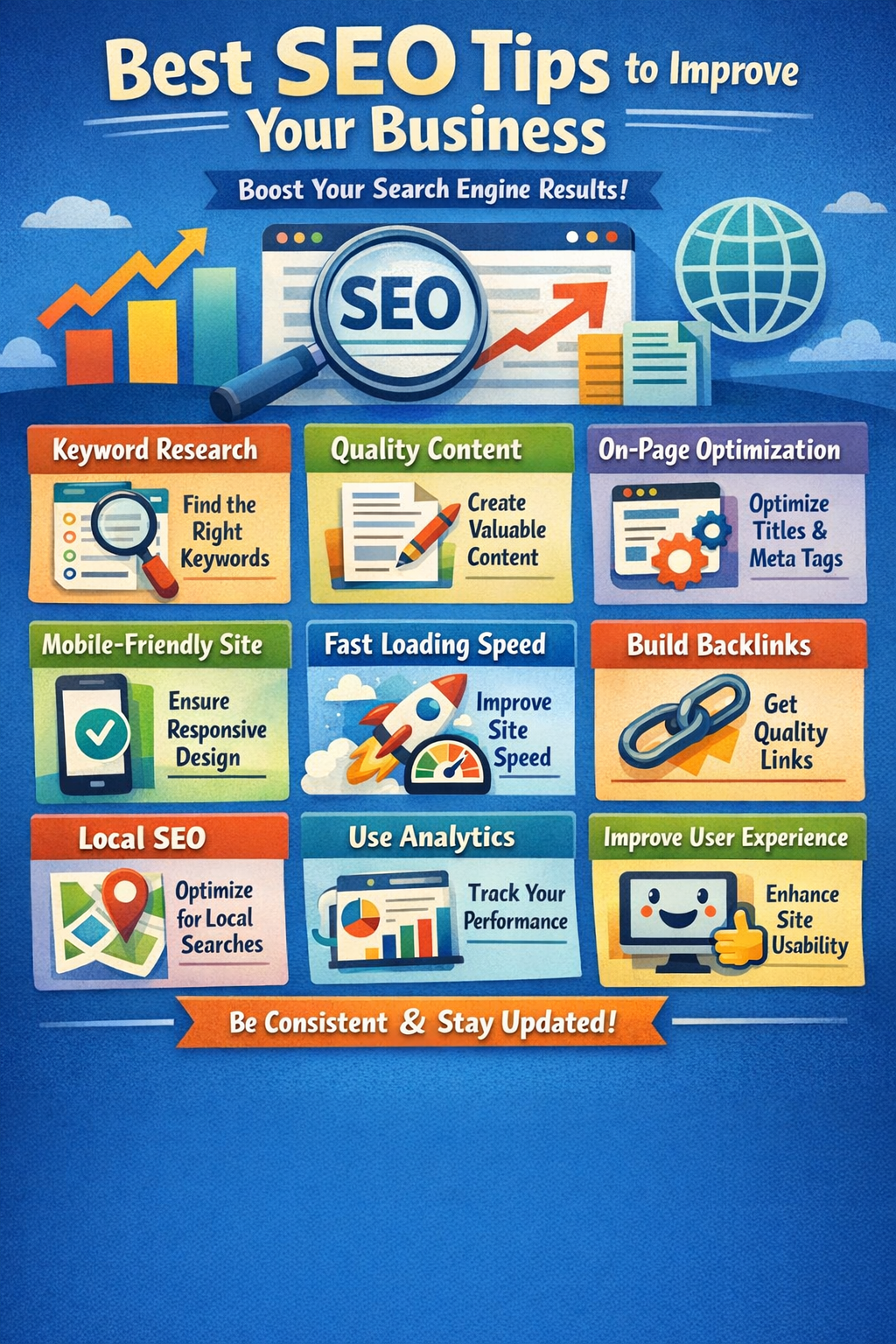
Technical SEO helps search engines access website content. First, website owners should improve loading speed. Faster websites create a better experience for visitors.
Mobile responsiveness is equally important. Today, many users browse websites on phones and tablets. Therefore, every page should function correctly on smaller screens.
Secure connections also matter. HTTPS protects user data and builds trust. As a result, secure websites often perform better in search results.
Clean URLs improve navigation. Moreover, descriptive URLs help search engines understand page content. Visitors also find them easier to read and share.
XML sitemaps guide search engines through website pages. Likewise, robots.txt files help control crawling behavior. These tools improve indexing efficiency.
Broken links should be fixed quickly. Furthermore, duplicate content should be minimized. Technical issues can reduce visibility and harm user experience.
Regular audits help identify problems early. Consequently, businesses can maintain strong performance and support effective Search Engine Optimization over the long term.
User Experience and Long-Term SEO Best Practices
User experience influences rankings and conversions. First, websites should provide clear navigation. Visitors should find information without confusion.
Readable content improves engagement. Therefore, businesses should use short sentences and simple language. Clear formatting also helps users absorb information quickly.
Internal linking supports navigation. Moreover, it helps search engines discover related content. Visitors benefit from easy access to additional resources.
Visual elements can improve engagement. However, images should be optimized for speed and performance. Large files often slow websites unnecessarily.
Trust signals matter as well. Customer reviews, contact information, and transparent policies increase credibility. Consequently, users feel more confident when interacting with the website.
Businesses should monitor analytics regularly. Data reveals user behavior and performance trends. Therefore, website owners can make informed improvements.
These principles represent essential SEO Best Practices. When applied consistently, they support long-term growth, stronger visibility, and sustainable online success.
Creating High-Quality Content for Search Engine Optimization
Content quality remains a major ranking factor. First, every article should address a specific user need. Readers visit websites because they seek solutions. Therefore, content should provide clear and practical answers.
Useful content attracts visitors naturally. Moreover, it encourages users to spend more time on a website. Search engines view this engagement as a positive signal. As a result, rankings may improve over time.
Originality is equally important. Search engines prefer unique content that adds value. Consequently, businesses should avoid copying material from other websites.
Content should remain easy to understand. In addition, writers should use clear language and logical structure. Readers appreciate information that is simple and direct.
Businesses should also include examples when possible. Examples help readers understand complex topics quickly. Furthermore, practical information increases credibility.
Regular publishing strengthens authority. Therefore, businesses should maintain a consistent content schedule. Over time, quality articles support stronger Search Engine Optimization performance and sustainable growth.
On-Page Optimization for Sustainable Google SEO
On-page optimization helps search engines understand content. First, every page should have a clear title. The title should describe the page accurately and include a target keyword.
Meta descriptions also play an important role. Although they do not directly affect rankings, they improve click-through rates. Therefore, businesses should write compelling descriptions for every page.
Headings help organize information. Moreover, headings improve readability for users and search engines. Proper heading structure makes content easier to follow.
Images should support the content topic. In addition, every image should contain descriptive alt text. This practice improves accessibility and helps search engines understand visual content.
Internal links connect related pages. Consequently, visitors can explore additional information easily. Search engines also use internal links to understand website structure.
Keyword placement should remain natural. However, excessive repetition should be avoided. Search engines value relevance rather than keyword stuffing.
These methods contribute to Sustainable Google SEO because they improve both user experience and content clarity.
Building Website Authority Through Quality Links
Authority influences search visibility. Therefore, businesses should focus on earning trustworthy backlinks. Quality links signal credibility and relevance to search engines.
Guest posting remains one effective strategy. First, businesses should contribute useful content to reputable websites. As a result, they can gain valuable exposure and backlinks.
Industry partnerships also create opportunities. Moreover, collaborations often generate natural references and mentions. These links provide long-term SEO value.
Content marketing supports link building as well. Helpful guides, research, and educational resources attract attention naturally. Consequently, other websites may link to these materials.
Businesses should avoid low-quality backlinks. Search engines may view spammy links negatively. Therefore, ethical link-building practices remain essential.
Link quality matters more than quantity. In fact, a few strong backlinks often outperform many weak ones. Trustworthy sources carry greater value.
A balanced link profile strengthens website authority. Furthermore, it supports long-term visibility and improves overall online presence.
Improving User Engagement for Better Google SEO Ranking
User engagement affects website success. First, visitors should find valuable information quickly. A positive experience encourages longer sessions and repeat visits.
Page design plays an important role. Therefore, websites should use clean layouts and simple navigation. Visitors prefer websites that are easy to explore.
Relevant content keeps readers interested. Moreover, engaging articles encourage users to continue browsing. This behavior sends positive signals to search engines.
Calls to action improve interaction. For example, businesses can invite users to read related articles or request consultations. Consequently, engagement levels may increase.
Website speed also influences user behavior. Slow pages often frustrate visitors. Therefore, performance optimization remains a priority.
Interactive elements can provide additional value. However, they should never distract from the main content. Balance remains important.
Monitoring engagement metrics helps identify improvement opportunities. As a result, businesses can enhance user experience and strengthen Google SEO Ranking performance over time.
Local SEO Strategies for Business Growth
Local SEO helps businesses connect with nearby customers. First, companies should create and optimize their business profiles. Accurate information improves visibility and trust.
Business names, addresses, and phone numbers should remain consistent. Moreover, consistent details help search engines verify legitimacy. This consistency supports stronger rankings.
Customer reviews contribute to local visibility. Therefore, businesses should encourage satisfied clients to share feedback. Positive reviews increase credibility and attract new customers.
Location-specific content also provides value. In addition, businesses can create pages that target regional audiences. This strategy improves relevance for local searches.
Local citations support authority. Consequently, businesses should maintain accurate listings across trusted directories. These references strengthen local SEO signals.
Maps integration improves accessibility. Furthermore, users can locate businesses more easily. Convenience often improves engagement and conversion rates.
A strong local presence supports broader SEO goals. Over time, local optimization contributes to sustainable website growth and increased customer acquisition.
Mobile Optimization and Modern SEO Requirements
Mobile usage continues to grow worldwide. Therefore, businesses must prioritize mobile optimization. Websites should provide a smooth experience on every device.
Responsive design adjusts layouts automatically. As a result, users enjoy consistent functionality across screens. Search engines also favor mobile-friendly websites.
Touch-friendly navigation improves usability. Moreover, buttons and menus should remain easy to access. Mobile visitors expect convenience and speed.
Page speed remains critical on mobile devices. Therefore, businesses should optimize images and reduce unnecessary code. Faster pages improve satisfaction and retention.
Readable text improves accessibility. In addition, content should display clearly without excessive zooming. Users appreciate websites that require minimal effort.
Testing across devices ensures reliability. Consequently, businesses can identify issues before they affect visitors. Regular testing supports ongoing performance improvements.
Mobile optimization supports modern SEO goals. Furthermore, it strengthens user experience and contributes to better search visibility.
Measuring Results and Refining SEO Best Practices
SEO success requires ongoing measurement. First, businesses should track website traffic regularly. Analytics reveal how users interact with content and pages.
Keyword performance provides valuable insights. Therefore, businesses should monitor ranking changes and search visibility. These metrics help evaluate strategy effectiveness.
Conversion tracking measures business outcomes. Moreover, it reveals whether visitors complete desired actions. Data-driven decisions often produce stronger results.
User behavior reports identify improvement opportunities. Consequently, businesses can adjust content and design based on real evidence. Continuous refinement supports better performance.
Technical audits should occur regularly. In addition, businesses should address errors quickly. Preventive maintenance reduces the risk of ranking losses.
Competitor analysis offers useful information. However, businesses should focus on improvement rather than imitation. Unique value remains important for long-term success.
These measurement practices strengthen SEO Best Practices and support sustainable growth. Consistent evaluation helps businesses adapt to changes while maintaining strong search visibility and lasting online authority.
Adapting to Google Algorithm Changes with Search Engine Optimization
Google updates its algorithms regularly. Therefore, businesses must stay informed about industry changes. Websites that adapt quickly often maintain stronger rankings.
Algorithm updates focus on user satisfaction. Moreover, Google aims to provide the most relevant results. Businesses should align their strategies with this goal.
Quality content remains a reliable approach. Consequently, websites that prioritize value often experience less disruption during updates. User-focused content supports long-term stability.
Technical maintenance is equally important. In addition, website owners should monitor performance and correct issues promptly. Strong technical health reduces potential risks.
Businesses should avoid manipulation tactics. Search engines continue to improve their ability to detect spam. Therefore, ethical SEO practices remain the safest option.
Continuous learning supports success. Furthermore, SEO professionals should monitor trends and industry developments. Knowledge helps businesses respond effectively to changing requirements.
Adaptability remains a core principle of Search Engine Optimization. Organizations that embrace improvement can maintain visibility and sustainable growth.
Content Updates and Long-Term Sustainable Google SEO
Content should never remain static. First, businesses should review existing pages regularly. Fresh information improves relevance and user satisfaction.
Older articles may contain outdated facts. Therefore, updates help maintain accuracy and usefulness. Visitors appreciate current and reliable information.
Content expansion also creates value. Moreover, additional details can improve topic coverage and answer more user questions. Comprehensive resources often perform better in search results.
Businesses should monitor content performance. Consequently, low-performing pages can receive targeted improvements. Data-driven updates support stronger outcomes.
Visual enhancements may improve engagement. In addition, updated images and graphics can increase user interest. Better presentation often encourages longer visits.
Internal links should be reviewed frequently. Therefore, businesses can connect new content with existing resources. This strategy strengthens website structure.
Regular updates support Sustainable Google SEO because they keep content relevant. Long-term success depends on continuous improvement rather than one-time optimization.
Technical Maintenance for Strong Website Performance
Technical maintenance protects website health. First, businesses should conduct routine audits. Audits reveal issues that may affect rankings and user experience.
Broken links require immediate attention. Therefore, website owners should repair or remove them promptly. Functional navigation supports better engagement.
Security updates remain essential. Moreover, secure websites build trust and protect valuable information. Search engines also favor secure environments.
Website backups reduce risk. Consequently, businesses can recover quickly from unexpected problems. Preparedness supports operational stability.
Performance monitoring helps identify bottlenecks. In addition, regular testing ensures pages load efficiently. Fast websites improve user satisfaction.
Structured data should remain accurate. Therefore, businesses should review markup periodically. Correct implementation supports enhanced search visibility.
Technical maintenance creates a stable foundation. Furthermore, it helps websites maintain strong performance and reliable search presence over time.
Building Trust and Credibility Online
Trust influences user behavior and search visibility. First, businesses should provide accurate information throughout their websites. Transparency strengthens credibility.
Professional design supports positive impressions. Therefore, websites should appear organized and modern. Users often judge trustworthiness based on presentation.
Contact information should remain accessible. Consequently, users can communicate easily when they need assistance. Accessibility improves customer confidence.
Customer testimonials provide social proof. In addition, positive experiences help potential clients make informed decisions. Trust grows through demonstrated results.
Consistent branding strengthens recognition. Therefore, businesses should maintain a unified message across all platforms. Consistency improves credibility.
Trust takes time to build. However, sustained effort produces lasting benefits. Strong credibility supports customer loyalty and enhances online visibility.
Integrating Content Marketing with Google SEO Ranking
Content marketing and SEO work together effectively. First, valuable content attracts visitors and encourages engagement. Search engines reward websites that provide useful information.
Educational articles support audience development. Therefore, businesses should create resources that address customer needs. Helpful content strengthens relationships.
Case studies provide practical insights. Moreover, real examples demonstrate expertise and success. Readers often trust evidence-based information.
Guides and tutorials attract long-term traffic. Consequently, businesses can build authority within their industries. Comprehensive resources often earn backlinks naturally.
Content promotion increases visibility. In addition, sharing articles through multiple channels expands reach. Wider exposure supports stronger results.
Audience feedback provides valuable direction. Therefore, businesses should listen to customer questions and concerns. This information inspires relevant content topics.
When combined effectively, content marketing improves Google SEO Ranking and strengthens overall digital presence.
Avoiding Common SEO Mistakes
Many websites struggle because of preventable errors. First, keyword stuffing remains a common mistake. Excessive keyword use harms readability and user experience.
Duplicate content creates confusion. Therefore, businesses should publish original material whenever possible. Unique content supports stronger rankings.
Ignoring technical issues can limit performance. Moreover, broken pages and slow loading times frustrate visitors. Regular maintenance helps prevent these problems.
Weak content reduces engagement. Consequently, businesses should focus on usefulness rather than volume alone. Quality always provides greater value.
Poor internal linking weakens website structure. In addition, visitors may struggle to discover related content. Strategic linking improves navigation.
Neglecting mobile users creates disadvantages. Therefore, websites should function effectively across all devices. Mobile optimization remains essential.
Avoiding these mistakes supports stronger performance. Furthermore, it helps businesses achieve sustainable growth through ethical SEO practices.
Future-Proofing with SEO Best Practices
The future of SEO depends on adaptability. First, businesses should focus on user needs rather than temporary trends. User satisfaction remains a constant ranking factor.
Content quality will continue to matter. Therefore, organizations should invest in valuable and informative resources. Strong content supports lasting visibility.
Technology will evolve over time. Moreover, search engines will continue refining their algorithms. Businesses must remain flexible and proactive.
Website performance should remain a priority. Consequently, fast and secure experiences will continue influencing rankings. Technical excellence supports long-term success.
Data analysis helps guide improvement. In addition, businesses should evaluate performance regularly. Informed decisions create stronger outcomes.
Continuous learning encourages growth. Therefore, SEO professionals should stay updated on industry developments. Knowledge supports better strategic planning.
Businesses that follow proven principles achieve lasting results. SEO Best Practices create a roadmap for sustainable success. Through quality content, technical excellence, user-focused design, and ethical optimization, organizations can strengthen visibility, build trust, and achieve consistent growth in search results. Shakardara helps businesses apply these strategies effectively through professional web development, content writing, Google SEO ranking services, search engine optimization solutions, and affordable monthly maintenance support for clients worldwide.
In Conclusion of Search Engine Optimization Rules for Sustainable Google SEO
Search Engine Optimization is not a one-time task. Instead, it is a continuous process that requires planning, consistency, and improvement. Throughout this guide, we explored the essential rules that support Sustainable Google SEO and long-term online success. Businesses that focus on quality content, technical performance, user experience, and ethical optimization methods often achieve stronger results over time.
Moreover, effective Google SEO Ranking depends on understanding user intent and delivering valuable information. Websites that follow proven SEO Best Practices can build authority, increase visibility, and attract targeted visitors from search engines. Likewise, regular maintenance, content updates, and performance monitoring help sustain growth in a competitive digital environment.
Ultimately, long-term success comes from providing value to users while following search engine guidelines. Therefore, businesses should invest in strategic Search Engine Optimization efforts that prioritize trust, relevance, and quality. With the right approach, organizations can improve rankings, increase organic traffic, and create a strong online presence that continues to grow year after year.
Search Engine Optimization Practices for Google Indexing because Google indexing plays a key role in online success. Every website needs proper indexing. Without indexing, pages cannot appear in search results. Therefore, website owners should learn effective Search Engine Optimization Practices for better visibility.
A strong indexing strategy helps search engines understand website content. Moreover, proper optimization improves crawling and ranking opportunities. Businesses that follow proven methods often gain more traffic. As a result, they receive more leads and conversions.
Many website owners create content but ignore indexing factors. Consequently, search engines may not discover important pages. A structured approach solves this issue. Furthermore, consistent optimization supports long-term growth.
Shakardara provides affordable support for businesses worldwide. The team offers guidance on web development, content writing, SEO ranking, and maintenance services. In addition, clients receive free consultations for digital growth strategies. For assistance, contact WhatsApp: +923474231250.
This guide explains practical methods that improve indexing performance. Likewise, it covers technical and content-related strategies. Each step focuses on helping websites achieve better search engine visibility. Therefore, website owners can build a strong foundation for sustainable success.
Search Engine Optimization Practices for Google Indexing
Search engine visibility begins with proper Google indexing. A website cannot achieve strong search rankings if search engines cannot discover, crawl, and index its pages effectively. Therefore, understanding and implementing effective Search Engine Optimization Practices is essential for every business, blogger, and website owner. Google indexing is the process through which Google analyzes, stores, and organizes web pages in its database so they can appear in search results when users search for relevant information.
Google SEO Basics Search Engine Optimization Practices for Google Indexing
Successful Google Indexing requires a combination of technical SEO, quality content, website performance optimization, mobile responsiveness, structured navigation, and ongoing maintenance. Search engines prefer websites that offer valuable information, excellent user experiences, fast loading speeds, and clear site structures. As a result, businesses that follow proven SEO strategies often achieve better visibility, higher rankings, increased organic traffic, and stronger conversion rates.
One of the most important factors in indexing is content quality. Search engines prioritize original, relevant, and informative content that addresses user intent. Moreover, websites should regularly update existing pages to ensure information remains accurate and useful. Fresh content encourages search engines to revisit pages more frequently, which can improve indexing performance.
Technical optimization also plays a major role in successful indexing. Website owners should create XML sitemaps, optimize robots.txt files, fix crawl errors, implement canonical tags, and maintain secure HTTPS connections. Furthermore, fast page speed and mobile-friendly design help search engines crawl websites more efficiently while improving user satisfaction.
Internal linking is another essential component of effective Search Engine Optimization. Well-structured internal links help search engines discover important pages, understand content relationships, and distribute authority throughout the website. Likewise, clear navigation systems and organized content hierarchies improve crawlability and indexing efficiency.
Businesses seeking stronger Google SEO Ranking should focus on creating a solid Google SEO Structure. This includes using descriptive URLs, optimized title tags, relevant meta descriptions, structured heading hierarchies, and schema markup. These elements help search engines understand content context while improving visibility in search results.
Regular SEO audits are equally important. Website owners should monitor indexing reports, identify technical issues, remove duplicate content, repair broken links, and evaluate website performance consistently. Continuous optimization helps maintain search engine trust and supports long-term growth.
In conclusion, effective Search Engine Optimization Practices for Google indexing combine technical excellence, content quality, website usability, and ongoing maintenance. Businesses that consistently apply these strategies can improve indexing rates, strengthen search visibility, increase organic traffic, and achieve sustainable online success. A well-indexed website creates more opportunities to reach potential customers, build authority, and compete effectively in today's digital marketplace.
Understanding Google Indexing
Google indexing is the process of storing web pages in Google's database. First, Google crawlers visit a page. Next, they analyze its content and structure. Then, Google decides whether to index the page.
Indexed pages can appear in search results. Therefore, indexing is essential for visibility. Without indexing, rankings become impossible. Furthermore, indexed content receives opportunities for organic traffic.
Website quality affects indexing decisions. Likewise, technical performance influences crawl efficiency. Google prefers pages that offer value to users. As a result, useful content gains better indexing opportunities.
A clear website structure helps search engines understand relationships between pages. Moreover, organized navigation supports efficient crawling. Website owners should monitor indexing regularly. Consequently, they can identify issues before rankings decline.
Why Search Engines Need Quality Content
Quality content helps search engines understand page relevance. Therefore, content should address user needs clearly. Helpful information increases engagement and trust.
Search engines evaluate content usefulness. Moreover, they analyze originality and depth. Unique content provides stronger signals than duplicated material. As a result, original pages gain better indexing potential.
Clear language improves readability. Likewise, logical organization enhances user experience. Visitors stay longer when content answers their questions effectively. Consequently, positive engagement supports SEO goals.
Content updates also matter. Furthermore, fresh information encourages search engines to revisit pages. Regular improvements strengthen long-term visibility. Therefore, businesses should maintain active content strategies.
Creating Crawl-Friendly Website Structures
A crawl-friendly structure supports efficient indexing. First, create logical navigation menus. Next, organize pages into clear categories. Then, connect related content through internal links.
Search engines follow links to discover pages. Therefore, strong linking structures improve accessibility. Broken pathways can reduce crawl efficiency. Consequently, website owners should check links regularly.
Mobile-friendly layouts also contribute to crawl efficiency. Likewise, responsive design improves accessibility across devices. As a result, websites provide better experiences for both users and search engines.
Using Google Indexing Tools Effectively
Google offers tools that help website owners monitor indexing. First, verify website ownership. Next, review indexing reports. Then, identify pages with errors.
Google Search Console provides valuable insights. Therefore, website owners should use it regularly. The platform highlights indexing issues and crawl problems. Consequently, corrective actions become easier.
Index coverage reports reveal page status. Moreover, they identify excluded pages. Website owners can investigate problems quickly. As a result, indexing performance improves.
Monitoring tools support proactive management. Likewise, regular reviews prevent long-term issues. Search visibility often improves when indexing errors decrease. Therefore, consistent analysis remains important.
Submitting XML Sitemaps
XML sitemaps guide search engines to important pages. Therefore, every website should maintain one. A sitemap provides a structured list of URLs.
Search engines use sitemaps during discovery processes. Moreover, they help crawlers find newly published pages. As a result, indexing may occur faster.
Website owners should update sitemaps regularly. Likewise, they should remove outdated URLs. Accurate information supports efficient crawling and indexing.
Submitting a sitemap through Search Console is simple. Furthermore, it provides visibility into processing status. Consistent sitemap management strengthens overall SEO performance.
Improving Search Engine Optimization Practices Through Internal Linking
Internal linking connects pages within a website. Therefore, it improves navigation and crawlability. Search engines use these links to discover content.
Strategic links distribute authority across pages. Moreover, they help search engines understand topic relationships. As a result, indexing efficiency often increases.
Anchor text should remain relevant and descriptive. Likewise, links should appear naturally within content. Clear context improves user experience and search engine understanding.
Website owners should review linking structures often. Furthermore, they should connect new content with existing pages. Consistent internal linking strengthens website architecture and supports long-term SEO success.
Optimizing Google SEO Ranking Factors
Ranking and indexing work together. Therefore, websites should optimize both areas. Strong content quality supports improved visibility.
Page speed influences user satisfaction. Moreover, faster websites support efficient crawling. Search engines favor positive user experiences. Consequently, performance improvements contribute to SEO success.
Mobile optimization remains essential. Likewise, secure HTTPS connections build trust. Technical excellence supports indexing and ranking efforts.
User-focused content also matters. Furthermore, clear answers improve engagement metrics. Search engines reward valuable information. Therefore, businesses should prioritize quality over quantity.
Applying Search Engine Optimization Best Practices
Effective SEO requires consistency. First, publish valuable content. Next, maintain technical performance. Then, monitor website health regularly.
Keyword placement should remain natural. Moreover, content should focus on user intent. Search engines reward relevance and clarity.
Businesses that follow proven methods gain stronger visibility. Consequently, they attract more organic visitors. Long-term commitment creates lasting benefits. Therefore, SEO should remain an ongoing process rather than a one-time task.
Strengthening Google SEO Structure for Better Indexing
A strong SEO structure helps search engines process content efficiently. Therefore, websites should organize information carefully. Clear categories improve content discovery.
Structured headings create logical content flow. Moreover, proper hierarchy supports user understanding. Search engines use headings to identify key topics.
Schema markup provides additional context. Likewise, structured data improves content interpretation. Enhanced understanding may increase visibility opportunities.
Technical optimization, content quality, and user experience work together. Furthermore, continuous maintenance supports long-term performance. Websites that focus on structure often achieve better indexing outcomes. As a result, they gain stronger search presence and improved organic growth.
Enhancing Website Speed for Faster Indexing
Website speed affects both users and search engines. Therefore, every website should load quickly. Fast pages improve user satisfaction and engagement.
Search engines prefer websites with strong performance. Moreover, quick loading pages reduce bounce rates. As a result, visitors stay longer and explore more content.
Large images often slow websites. Therefore, website owners should compress images before uploading. Smaller file sizes improve loading times significantly.
Caching also improves performance. Likewise, content delivery networks help distribute website resources efficiently. These improvements support faster access worldwide.
Regular speed testing remains important. Furthermore, performance reports identify technical weaknesses. Website owners can address issues before they affect visibility.
A fast website improves crawling efficiency. Consequently, search engines can process more pages during each visit. Better crawling often supports stronger indexing outcomes.
Optimizing Mobile Experience
Mobile optimization is essential for modern websites. Therefore, pages should display correctly on all devices. Responsive designs provide consistent experiences across screens.
Most users browse through smartphones. Moreover, search engines evaluate mobile usability carefully. As a result, mobile-friendly websites gain advantages.
Text should remain readable without zooming. Likewise, navigation should work smoothly on smaller screens. Easy access improves user satisfaction.
Buttons should be large enough to tap easily. Furthermore, menus should remain simple and organized. Good usability encourages longer visits.
Regular testing ensures proper functionality. Consequently, website owners can fix mobile issues quickly. Better mobile experiences support stronger indexing and rankings.
Using Robots.txt Correctly
The robots.txt file controls crawler access. Therefore, website owners should configure it carefully. Incorrect settings may block important content.
Search engines read robots.txt before crawling pages. Moreover, the file provides instructions about accessible areas. Proper use supports efficient crawling.
Website owners should avoid blocking valuable pages. Likewise, important resources should remain accessible. Search engines need access to understand website content.
Regular reviews prevent accidental restrictions. Furthermore, testing tools help verify configuration accuracy. Small errors can create major indexing problems.
A well-managed robots.txt file supports crawling efficiency. Consequently, search engines can access relevant content more effectively. Proper configuration contributes to better SEO performance.
Publishing High-Quality Content Consistently
Content remains a core SEO factor. Therefore, businesses should publish useful information regularly. Valuable content attracts both users and search engines.
Articles should solve real problems. Moreover, content should answer common questions clearly. Readers appreciate practical solutions and guidance.
Original content performs better than copied material. Likewise, unique perspectives increase credibility. Search engines value authenticity and relevance.
Content updates also improve freshness signals. Furthermore, revised information stays useful for visitors. Updated pages often receive renewed attention.
A content calendar helps maintain consistency. Consequently, businesses can publish on a predictable schedule. Regular publishing supports long-term growth and visibility.
Improving Keyword Placement Naturally
Keywords help search engines understand content topics. Therefore, website owners should use them strategically. Natural placement produces the best results.
Keywords should appear in headings and content. Moreover, they should fit naturally within sentences. Forced usage reduces readability and user experience.
Relevant terms provide context. Likewise, related phrases strengthen topical relevance. Search engines evaluate overall content meaning.
Writers should focus on readers first. Consequently, content remains useful and engaging. Search engines reward pages that satisfy user intent effectively.
Strengthening Metadata for Better Visibility
Metadata helps search engines interpret pages. Therefore, every page should include optimized title tags. Clear titles improve understanding and visibility.
Meta descriptions encourage users to click. Moreover, compelling summaries improve search result performance. Better engagement supports traffic growth.
Titles should remain concise and descriptive. Likewise, descriptions should explain page value clearly. Strong metadata improves user expectations.
Each page requires unique metadata. Furthermore, duplication can reduce effectiveness. Distinct information supports better indexing.
Regular optimization improves performance. Consequently, search engines receive clearer signals about page topics. Better metadata contributes to stronger SEO outcomes.
Building Authority Through Internal Content Networks
Content networks connect related topics. Therefore, websites should organize content around central themes. Structured relationships improve navigation and understanding.
Pillar pages provide broad topic coverage. Moreover, supporting articles explore specific details. This approach strengthens topical authority.
Internal links connect related resources. Likewise, they guide users toward valuable information. Better navigation improves engagement.
Structured data strengthens communication with search engines. Consequently, websites gain better opportunities for enhanced search appearances and indexing success.
Monitoring Index Coverage Reports
Index coverage reports provide valuable insights. Therefore, website owners should review them often. Reports reveal indexed and excluded pages.
Errors require prompt investigation. Moreover, warnings may indicate future issues. Early action prevents larger problems.
Coverage reports highlight crawling obstacles. Likewise, they identify accessibility concerns. Understanding these details supports optimization efforts.
Website owners should track changes over time. Furthermore, trend analysis reveals improvement opportunities. Consistent monitoring supports informed decisions.
Regular reviews strengthen website management. Consequently, indexing performance becomes easier to maintain. Better oversight contributes to long-term SEO success.
Encouraging Search Engines to Revisit Content
Fresh content attracts crawler attention. Therefore, businesses should update important pages regularly. New information signals ongoing activity.
Internal links help highlight revised pages. Likewise, sitemap updates support discovery. Better visibility encourages crawling.
User engagement also matters. Furthermore, useful content attracts repeat visits and sharing. Positive activity strengthens content value.
Consistent updates demonstrate commitment to quality. Consequently, search engines revisit websites more frequently. Increased crawling supports faster indexing opportunities.
Conclusion
Successful Google indexing requires consistent effort. Therefore, website owners should combine technical optimization with quality content. This balanced approach supports long-term growth.
Effective SEO begins with strong foundations. Moreover, clear website structures improve crawling efficiency. Search engines process organized content more effectively.
High-quality content remains essential. Furthermore, user-focused information builds trust and engagement. Valuable resources strengthen search performance.
Businesses that follow these Search Engine Optimization Practices achieve stronger results. Consequently, they improve Google Indexing, enhance Google SEO Ranking, strengthen Search Engine Optimization, and develop a better Google SEO Structure. Continuous improvement creates sustainable visibility, increased traffic, and long-term online success.
Leveraging User Experience for Better Indexing
User experience influences search performance. Therefore, websites should focus on visitor satisfaction. Positive experiences encourage longer browsing sessions.
Search engines measure engagement signals. Moreover, they evaluate usability factors carefully. Better experiences often support stronger visibility.
Simple navigation improves accessibility. Likewise, clear menus help users find information quickly. Easy access reduces frustration.
Website owners should test user journeys often. Consequently, they can identify barriers and improve performance. Strong user experiences support effective indexing and SEO growth.
Reducing Duplicate Content Issues
Duplicate content can confuse search engines. Therefore, website owners should monitor content carefully. Unique pages provide stronger signals.
Search engines prefer original information. Moreover, duplicate pages may dilute ranking potential. Clear differentiation improves indexing.
Canonical tags help manage similar content. Likewise, redirects consolidate duplicate URLs effectively. Proper implementation supports crawl efficiency.
Businesses should review results regularly. Consequently, they can refine strategies effectively. Data-driven decisions strengthen long-term SEO outcomes.
Future-Proofing SEO Strategies
Search engines evolve continuously. Therefore, websites should adapt to changes. Flexibility supports lasting success.
User needs also change over time. Moreover, content strategies require updates. Ongoing improvements maintain relevance.
Technical best practices remain important. Likewise, quality content continues to drive results. Strong foundations withstand algorithm changes.
Website owners should stay informed. Furthermore, industry developments provide valuable guidance. Learning supports growth.
Long-term success depends on consistency. Consequently, businesses that prioritize quality achieve sustainable visibility. Effective SEO practices support stronger indexing, increased traffic, and lasting online growth.
Implementing Technical SEO for Stronger Google Indexing
Technical SEO supports search engine access. Therefore, every website should maintain a strong technical foundation. Proper optimization improves crawling and indexing.
Search engines analyze website performance constantly. Moreover, technical errors can reduce visibility. Quick fixes help maintain indexing efficiency.
Website owners should check server responses often. Likewise, crawl errors require immediate attention. Fast action prevents long-term problems.
Technical SEO creates a reliable framework. Consequently, search engines process website content more effectively. Strong technical practices improve long-term growth.
Managing Redirects Properly
Redirects guide users and search engines. Therefore, website owners should configure them carefully. Correct redirects preserve page value.
A 301 redirect signals permanent movement. Moreover, it transfers authority to a new location. Proper implementation supports SEO efforts.
Canonical tags prevent duplicate content confusion. Therefore, website owners should apply them strategically. Search engines use these tags for guidance.
Similar pages may exist for valid reasons. Moreover, canonical tags identify preferred versions. Clear instructions improve indexing accuracy.
Businesses that monitor performance adapt more effectively. Consequently, they maintain competitive advantages. Analytics support long-term SEO success.
Building Long-Term SEO Sustainability
Sustainable SEO requires patience. Therefore, businesses should focus on consistent improvement. Long-term strategies create lasting value.
Quality content remains essential. Moreover, technical optimization supports visibility. Both elements work together effectively.
User satisfaction should remain a priority. Likewise, website maintenance prevents performance issues. Continuous effort strengthens results.
Search engine guidelines may evolve. Furthermore, adaptation helps maintain competitiveness. Flexible strategies support growth.
Businesses that commit to excellence achieve better outcomes. Consequently, they improve visibility, traffic, and conversions. Sustainable SEO practices create strong foundations for future success.
Ongoing education strengthens SEO efforts. Consequently, websites remain aligned with best practices. Adaptability supports long-term success.
Improving Website Accessibility
Accessibility benefits all users. Therefore, websites should support diverse audiences. Inclusive design improves usability.
Alternative text helps screen readers. Moreover, descriptive labels improve navigation. Accessibility supports better experiences.
Clear layouts reduce confusion. Likewise, readable content assists visitors with different needs. Simplicity improves engagement.
Accessibility also helps search engines. Furthermore, structured information improves understanding. Better organization supports indexing.
Inclusive websites create stronger user experiences. Consequently, they gain broader reach and improved SEO performance.
Final Thoughts on Search Engine Optimization Practices for Google Indexing
Effective indexing requires continuous effort. Therefore, website owners should combine technical excellence with quality content. Balanced strategies produce stronger outcomes.
Website structure influences crawling efficiency. Moreover, user experience affects engagement and visibility. Every element contributes to SEO success.
Businesses should prioritize value for users. Furthermore, helpful content builds authority and trust. Strong relationships support long-term growth.
By applying these Search Engine Optimization Practices, improving Google Indexing, enhancing Google SEO Ranking, strengthening Search Engine Optimization, and developing a better Google SEO Structure, businesses can achieve sustainable search visibility, attract targeted visitors, and build lasting online success.
Search Engine Optimization Planning for Google Websites helps businesses grow online. A good plan improves visibility and increases website traffic. Moreover, it helps websites reach the right audience. Google rewards websites that follow clear SEO practices. Therefore, every business should create a strong SEO strategy.
A successful website needs more than attractive design. It also needs proper planning. Furthermore, SEO planning helps search engines understand website content. As a result, pages gain better rankings in search results.
Many website owners publish content without a clear plan. However, this approach often creates poor results. A structured SEO process improves performance. Consequently, businesses gain more visitors and potential customers.
Search Engine Optimization Planning, Google SEO Strategy, Website SEO Planning, Google Website Optimization, and SEO Ranking Plan are important elements of digital growth. These keywords support better visibility when used naturally.
Search Engine Optimization Planning for Google Websites
Shakardara provides affordable services for businesses worldwide. In addition, Shakardara offers free consultations for web development, SEO, content writing, Google ranking, and monthly website maintenance. For direct assistance, contact through WhatsApp: +923474231250.
Search Engine Optimization Planning for Google Websites is an essential process for businesses that want to succeed online. Every website needs a clear strategy to improve visibility, attract visitors, and increase conversions. Moreover, proper planning helps search engines understand website content and deliver it to the right audience. As a result, businesses can achieve stronger rankings and sustainable growth.
Search Engine Optimization System Designed for Google SEO
Google remains the most popular search engine worldwide. Therefore, website owners must follow proven SEO practices to compete effectively. A well-structured SEO plan includes keyword research, content creation, technical optimization, website performance improvements, and ongoing maintenance. Furthermore, these elements work together to support better search engine rankings and user experiences.
Successful SEO does not happen by chance. Instead, it requires careful planning, consistent effort, and regular monitoring. Businesses that invest in Search Engine Optimization Planning, Google SEO Strategy, Website SEO Planning, Google Website Optimization, and an effective SEO Ranking Plan often achieve long-term online success. Consequently, they gain more targeted traffic, higher brand visibility, and increased business opportunities.
This comprehensive guide explains the step-by-step process of creating a successful SEO strategy for Google websites. Additionally, it covers keyword research, content optimization, technical SEO, backlink development, local SEO, website maintenance, and performance tracking. By following these proven methods, businesses can build a strong online presence and achieve lasting results in competitive search markets.
Understanding Search Engine Optimization Planning
Search engine optimization planning creates a roadmap for online success. First, it identifies business goals. Next, it defines target audiences. After that, it establishes clear SEO actions. This process improves website performance over time.
Google prefers websites with organized content. Therefore, planning becomes an essential step. A strong plan reduces mistakes and improves efficiency. Likewise, it helps website owners focus on important tasks.
SEO planning also supports long-term growth. Instead of chasing quick results, businesses build a stable foundation. Consequently, websites gain authority and trust. Better authority often leads to stronger rankings.
Moreover, planning allows businesses to measure progress. Website owners can track traffic, rankings, and conversions. As a result, they can adjust strategies when necessary. Continuous improvement remains a key part of SEO success.
Why Google SEO Strategy Matters
Google handles billions of searches every day. Therefore, businesses need a clear strategy to compete. A strong Google SEO Strategy increases visibility and attracts qualified visitors.
Without a strategy, websites often miss opportunities. For example, pages may target the wrong keywords. As a result, rankings remain low. A planned strategy solves this issue by focusing on user intent.
Furthermore, Google updates its algorithms regularly. Businesses that follow a strategy can adapt quickly. Consequently, they maintain strong search performance. Consistency becomes easier when every action follows a defined plan.
An effective strategy also improves content quality. Search engines value useful information. Therefore, websites with relevant content gain better results. Strong planning supports content creation and optimization efforts.
Setting Clear SEO Goals
SEO goals provide direction. First, businesses must decide what they want to achieve. Some companies focus on traffic. Others focus on leads or sales. Clear goals help define priorities.
Specific goals improve decision-making. For example, increasing organic traffic by twenty percent creates a measurable target. Consequently, businesses can track progress accurately.
Goals should remain realistic. Moreover, they should match business objectives. A local company may target local searches. Meanwhile, an international company may target global keywords.
SEO goals also encourage accountability. Teams understand their responsibilities. As a result, projects move forward smoothly. Regular reviews help maintain focus and support continuous improvement.
Identifying the Target Audience
Understanding the audience improves SEO performance. First, businesses should identify customer needs. Next, they should learn search behavior. This information guides content creation.
Audience research reveals common questions. Therefore, businesses can create content that solves real problems. Helpful content often earns higher rankings. In addition, it increases visitor engagement.
Demographic information also matters. Age, location, and interests influence search habits. Consequently, businesses can create relevant pages. Better relevance improves user satisfaction.
Furthermore, audience analysis helps keyword selection. Businesses discover phrases people use during searches. As a result, optimization becomes more effective. Audience knowledge remains a critical part of successful SEO planning.
Researching Competitors for Better Results
Competitor analysis provides valuable insights. First, identify leading websites in the industry. Next, examine their content and keyword strategies. This process highlights strengths and weaknesses.
Competitor research reveals ranking opportunities. For example, some keywords may have low competition. Therefore, businesses can target them effectively. Quick wins often support early growth.
Additionally, competitor analysis helps improve content quality. Businesses can create more detailed resources. As a result, visitors receive greater value. Better content often earns stronger rankings.
Research also uncovers backlink opportunities. Many successful websites gain links from trusted sources. Consequently, businesses can pursue similar partnerships. A thorough review creates a stronger SEO foundation.
Building a Website SEO Planning Framework
A framework organizes SEO activities. First, create a website structure. Next, define content categories. After that, establish optimization procedures. This process improves efficiency.
A structured framework supports growth. Moreover, it helps teams manage large websites. Clear organization improves navigation and user experience. Consequently, visitors find information quickly.
Google values user-friendly websites. Therefore, structure plays an important role. Organized pages help search engines understand content relationships. Better understanding often improves rankings.
A framework also simplifies future updates. Businesses can add new content without confusion. As a result, website expansion becomes easier. Long-term success depends on strong planning and organization.
Conducting Effective Keyword Research
Keyword research forms the core of every SEO campaign. First, businesses should identify search terms related to their services. Next, they should analyze search volume and competition. This process reveals valuable opportunities.
A strong keyword list improves content planning. Therefore, businesses can create pages that match user intent. Relevant content attracts visitors who need specific solutions. Consequently, engagement rates often improve.
Long-tail keywords provide additional benefits. These phrases target focused audiences. As a result, they often convert better than broad terms. Lower competition also increases ranking opportunities.
Moreover, keyword research supports website expansion. Businesses discover new topics and content ideas. Therefore, they can address customer needs more effectively. Consistent research strengthens every aspect of SEO planning.
Selecting High-Value SEO Keywords
Keyword selection requires careful evaluation. First, businesses should focus on relevance. Search terms must match products, services, or information offered on the website.
Search volume also matters. However, high volume alone does not guarantee success. Therefore, businesses should balance volume with competition levels. This approach creates realistic ranking opportunities.
Additionally, user intent should guide keyword choices. Some visitors seek information. Others want products or services. Consequently, content should satisfy these different needs.
A well-balanced keyword portfolio improves visibility. Furthermore, it supports long-term growth. Businesses can target multiple search opportunities. As a result, website traffic becomes more diverse and sustainable.
Mapping Keywords to Website Pages
Keyword mapping improves organization. First, assign a primary keyword to each page. Next, select supporting keywords that relate to the main topic. This process prevents confusion.
Search engines prefer clear content themes. Therefore, each page should focus on one primary subject. Concentrated optimization strengthens relevance and improves ranking potential.
Keyword mapping also prevents duplication. Multiple pages should not compete for the same keyword. Consequently, search engines can identify the most relevant page.
Furthermore, mapping improves content planning. Businesses know where each keyword belongs. As a result, optimization becomes more efficient. Strong keyword organization supports better SEO performance.
Creating Content Around Search Intent
Search intent explains why users perform searches. Therefore, businesses must understand visitor goals before creating content. Relevant information improves user satisfaction and engagement.
Informational searches require educational content. For example, guides and tutorials answer common questions. Consequently, users receive valuable information. Search engines often reward helpful resources.
Commercial searches focus on products and services. Therefore, businesses should provide detailed descriptions and benefits. Clear information supports purchasing decisions.
Transactional searches indicate strong buying intent. Accordingly, pages should include calls to action and conversion elements. Matching content to intent improves results and strengthens website performance.
Using Data to Improve SEO Decisions
Data helps businesses make informed decisions. First, monitor website traffic trends. Next, evaluate keyword rankings and visitor behavior. These insights reveal strengths and weaknesses.
Analytics tools provide valuable information. Therefore, businesses can identify successful pages. They can also discover underperforming content. Continuous analysis supports improvement.
Moreover, data helps measure campaign effectiveness. Businesses can compare results against goals. Consequently, adjustments become easier and more accurate.
Regular reporting improves accountability. Furthermore, it highlights opportunities for growth. Better decisions lead to stronger rankings and improved online visibility.
Optimizing Website Structure for Google
Website structure affects both users and search engines. First, create a logical navigation system. Next, organize pages into clear categories. This approach improves accessibility.
Google values websites that provide positive user experiences. Therefore, visitors should find information quickly. Simple navigation supports better engagement and lower bounce rates.
Internal linking also strengthens website structure. Relevant links connect related pages. Consequently, users explore additional content. Search engines gain a better understanding of website relationships.
A clear structure supports scalability. Furthermore, it simplifies future expansion. Businesses can add new content without disrupting organization. Strong architecture remains essential for SEO success.
Improving URL Structure
URLs should remain simple and descriptive. First, include relevant keywords when appropriate. Next, remove unnecessary words and numbers. Clean URLs improve readability.
Users often trust clear URLs. Therefore, descriptive addresses encourage clicks. Better click-through rates support overall website performance.
Search engines also benefit from organized URLs. Consequently, they can understand page topics more easily. Improved understanding may support ranking improvements.
Additionally, consistency matters. Every URL should follow the same structure. As a result, website organization becomes stronger. Well-planned URLs contribute to effective optimization.
Creating SEO-Friendly Navigation
Navigation guides visitors through a website. Therefore, menus should remain clear and easy to use. Simple navigation improves the user experience.
Visitors often leave confusing websites. Consequently, businesses may lose valuable opportunities. Effective navigation reduces frustration and supports engagement.
Search engines also analyze navigation systems. Therefore, important pages should remain accessible. Strong navigation improves crawling and indexing.
Furthermore, organized menus help distribute authority across pages. Internal links connect valuable content. As a result, websites gain stronger optimization benefits.
Building a Strong Internal Linking System
Internal links connect related content. First, identify important pages. Next, create relevant links between supporting articles and resources. This strategy improves navigation.
Internal linking distributes authority throughout the website. Consequently, important pages gain additional support. Search engines understand content relationships more effectively.
Visitors also benefit from internal links. Therefore, they can discover useful information quickly. Increased engagement often improves website performance.
Moreover, strong linking encourages longer sessions. Users spend more time exploring content. As a result, websites create better experiences and stronger SEO outcomes.
Enhancing Mobile Website Performance
Mobile optimization remains essential. Most users access websites through mobile devices. Therefore, businesses must provide responsive experiences.
Mobile-friendly websites load correctly on different screens. Consequently, visitors enjoy smooth navigation. Positive experiences support engagement and conversions.
Google uses mobile-first indexing. Therefore, mobile performance directly influences rankings. Fast and responsive websites gain competitive advantages.
Additionally, mobile optimization improves accessibility. More users can access content comfortably. As a result, businesses reach larger audiences and strengthen online visibility.
Developing a Powerful Content Strategy
Content drives online visibility. Therefore, businesses should create useful and relevant information. High-quality content attracts visitors and builds trust. Consequently, websites gain stronger search performance.
A content strategy provides direction. First, identify audience needs. Next, create topics that answer common questions. This process improves relevance and engagement.
Consistency also matters. Regular publishing keeps websites active. Moreover, fresh content encourages search engines to revisit pages. Frequent updates support long-term growth.
Content should focus on value. Therefore, every article should solve a problem or provide useful guidance. Helpful information encourages visitors to stay longer. As a result, websites improve user engagement and SEO performance.
Creating High-Quality Website Content
Quality content supports strong rankings. First, write clear and accurate information. Next, organize content with logical headings and short paragraphs. This structure improves readability.
Visitors prefer easy-to-understand content. Therefore, businesses should avoid unnecessary complexity. Simple language improves communication and user satisfaction.
Originality remains important. Furthermore, unique content helps websites stand out. Search engines reward pages that provide fresh value. Consequently, originality supports better rankings.
Useful content also encourages sharing. Readers often recommend valuable resources. As a result, websites gain additional exposure and authority. Quality content remains a critical SEO asset.
Using SEO Keywords Naturally
Keywords help search engines understand content. Therefore, businesses should place them naturally within articles. Forced keyword usage can reduce readability and user satisfaction.
The keyword Search Engine Optimization Planning should appear where relevant. Likewise, Google SEO Strategy should fit naturally into discussions about optimization. Proper placement improves content quality.
Additionally, Website SEO Planning supports topic relevance. Meanwhile, Google Website Optimization strengthens subject focus. The keyword SEO Ranking Plan further supports optimization goals.
Natural integration improves reader experience. Consequently, visitors engage with content more effectively. Search engines also recognize relevance without excessive keyword repetition.
Writing Content for Users First
User-focused content creates better results. Therefore, businesses should address audience needs before search engine requirements. Helpful information builds trust and authority.
Readers value practical solutions. Consequently, content should provide clear answers and actionable advice. Useful information encourages repeat visits.
Google also prioritizes user satisfaction. Therefore, pages that meet visitor expectations often perform better. Positive experiences support stronger rankings.
Furthermore, user-focused writing improves engagement metrics. Visitors spend more time on valuable pages. As a result, websites gain additional SEO benefits.
Updating Existing Content Regularly
Content updates improve relevance. First, review older pages. Next, identify outdated information. This process keeps content accurate and useful.
Search engines value fresh information. Therefore, regular updates support visibility. Updated pages often maintain stronger rankings.
Businesses should also add new insights. Moreover, they should improve formatting and readability. Better presentation enhances user experience.
Frequent updates demonstrate commitment to quality. Consequently, visitors trust the website more. Strong trust supports long-term SEO success.
Implementing On-Page SEO Techniques
On-page SEO improves individual pages. First, optimize titles and headings. Next, improve content structure and keyword placement. These actions strengthen relevance.
Google evaluates many on-page factors. Therefore, businesses should optimize every important element. Attention to detail improves performance.
Effective on-page SEO supports user experience. Moreover, it helps search engines understand page topics. Better understanding often leads to improved rankings.
Consistent optimization creates long-term benefits. Consequently, websites become more competitive. Strong on-page practices remain essential for sustainable growth.
Optimizing Title Tags
Title tags influence rankings and clicks. Therefore, every page should include a unique title. Descriptive titles improve search visibility.
Users often see title tags first. Consequently, compelling titles encourage clicks. Higher click-through rates can improve performance.
Relevant keywords should appear naturally in titles. However, excessive optimization should be avoided. Balance improves readability and effectiveness.
Strong titles also communicate value. Therefore, visitors understand page content before clicking. Clear expectations improve user satisfaction.
Writing Effective Meta Descriptions
Meta descriptions summarize page content. Therefore, they should remain informative and engaging. Well-written descriptions encourage users to visit the page.
Search engines may display meta descriptions in results. Consequently, strong descriptions improve click potential. More clicks often support website growth.
Descriptions should match page content accurately. Furthermore, they should include important information. Honest summaries improve user trust.
Regular reviews improve effectiveness. Therefore, businesses should update descriptions when necessary. Continuous improvement supports better results.
Using Header Tags Correctly
Header tags organize content. First, use H1 for the main topic. Next, use H2 through H6 for supporting sections. This structure improves readability.
Additionally, headings break large topics into smaller sections. As a result, content becomes easier to read and understand.
Optimizing Images for Search Engines
Images improve visual appeal. Therefore, businesses should optimize every image properly. Optimized visuals support both user experience and SEO.
File names should remain descriptive. Furthermore, alt text should explain image content. These practices improve accessibility and relevance.
Compressed images load faster. Consequently, page performance improves. Faster websites often achieve better user engagement.
Image optimization also supports search visibility. Therefore, businesses can attract traffic through image searches. Proper optimization creates additional opportunities.
Strengthening Google Website Optimization
Google Website Optimization focuses on overall website performance. First, improve speed and usability. Next, enhance content quality and technical structure. These actions support rankings.
Google rewards websites that provide excellent experiences. Consequently, user-focused optimization remains essential. Positive experiences support traffic growth.
A comprehensive approach produces stronger results. Furthermore, it supports long-term visibility. Effective optimization helps businesses achieve sustainable success.
Improving Website Loading Speed
Website speed influences user satisfaction. Therefore, pages should load quickly on all devices. Fast websites reduce visitor frustration.
Slow websites often lose traffic. Consequently, businesses may miss valuable opportunities. Performance improvements support retention and conversions.
Google values fast websites. Therefore, speed optimization contributes to better rankings. Improved performance benefits both users and search engines.
Understanding Technical SEO Fundamentals
Technical SEO supports website performance behind the scenes. First, search engines must access website pages. Next, they must understand content correctly. This process improves indexing and visibility.
A technically optimized website performs better. Therefore, businesses should review technical elements regularly. Strong technical foundations support every SEO effort.
Google values websites that function smoothly. Consequently, technical improvements often lead to better rankings. Reliable performance enhances user satisfaction.
Moreover, technical SEO reduces barriers to crawling. Search engines can discover content efficiently. As a result, websites gain stronger visibility and long-term growth opportunities.
Improving Website Crawlability
Crawlability determines how search engines access content. Therefore, businesses should ensure important pages remain available. Easy access improves indexing.
Search engine bots follow links throughout a website. Consequently, broken links create obstacles. Regular maintenance helps prevent these issues.
Businesses should monitor crawl reports regularly. Therefore, they can identify problems early. Fast corrections improve website performance and search visibility.
Managing XML Sitemaps Effectively
An XML sitemap lists important website pages. Therefore, search engines can understand site structure more easily. Proper sitemaps improve content discovery.
Sitemaps support indexing efforts. Consequently, new content may appear in search results faster. Quick indexing benefits growing websites.
Regular updates keep sitemaps accurate. Moreover, updated files help search engines identify changes. Better communication supports optimization goals.
A complete sitemap improves efficiency. Therefore, businesses should include all important pages. Strong sitemap management contributes to better SEO outcomes.
Using Robots.txt Correctly
The robots.txt file provides crawling instructions. Therefore, businesses can guide search engine bots effectively. Proper configuration prevents indexing problems.
Some pages should remain private. Consequently, robots.txt can limit crawler access when necessary. Controlled access improves website management.
However, mistakes can block important content. Therefore, businesses should review settings carefully. Accurate configuration supports visibility.
Broken links create poor experiences. Therefore, businesses should identify and repair them quickly. Working links support navigation.
Visitors expect functional websites. Consequently, broken pages reduce trust and engagement. Repairs improve user satisfaction.
Search engines also evaluate website quality. Therefore, excessive errors may affect performance. Regular maintenance prevents long-term issues.
Error monitoring supports optimization efforts. As a result, websites remain reliable and accessible. Strong maintenance contributes to sustained SEO success.
Building Website Authority Through Backlinks
Backlinks remain important ranking factors. First, they signal trust and credibility. Next, they help search engines evaluate authority. Quality backlinks support stronger visibility.
Google values trustworthy recommendations. Therefore, links from respected websites provide significant benefits. Strong backlinks improve ranking potential.
Businesses should focus on quality rather than quantity. Consequently, a few trusted links often outperform many weak links. Strategic efforts create better outcomes.
Authority grows over time. Moreover, consistent link-building strengthens reputation. Long-term commitment supports sustainable SEO growth.
Creating Link-Worthy Content
Valuable content attracts backlinks naturally. Therefore, businesses should publish helpful resources. High-quality content encourages sharing and references.
Research-based articles often earn attention. Consequently, industry professionals may link to useful information. Strong resources support authority building.
Detailed guides also perform well. Furthermore, educational content solves audience problems. Helpful information increases backlink opportunities.
Content quality remains essential. Therefore, businesses should focus on usefulness and originality. Strong content supports long-term SEO success.
Guest Posting for Authority Growth
Guest posting expands reach. Therefore, businesses can share expertise with new audiences. Exposure increases visibility and credibility.
Trusted websites often accept valuable contributions. Consequently, guest articles create backlink opportunities. Relevant links support authority development.
Content quality remains important. Moreover, guest posts should provide genuine value. Useful information strengthens reputation.
Strategic guest posting supports long-term growth. Therefore, businesses should focus on reputable websites. Quality partnerships improve SEO performance.
Building Relationships Within the Industry
Professional relationships create opportunities. Therefore, businesses should engage with industry experts. Networking supports collaboration and visibility.
Strong relationships often lead to backlinks. Consequently, trusted connections improve authority. Mutual support benefits all parties.
Industry participation also increases recognition. Furthermore, active involvement demonstrates expertise. Better recognition strengthens credibility.
Consistent communication builds trust. Therefore, businesses should maintain professional relationships over time. Strong networks support sustainable growth.
Monitoring Backlink Quality
Backlink monitoring protects website authority. Therefore, businesses should review link profiles regularly. Quality assessments improve SEO performance.
Some backlinks provide little value. Consequently, businesses should focus on trusted sources. Strong links contribute to rankings.
A clean backlink profile improves credibility. Therefore, businesses should prioritize quality management. Strong oversight supports long-term optimization.
Creating an Effective SEO Ranking Plan
An SEO Ranking Plan provides a clear path to success. First, define ranking objectives. Next, create measurable actions. Structured planning improves results.
Businesses need realistic expectations. Therefore, goals should align with available resources. Practical planning supports progress.
A ranking plan also improves accountability. Consequently, teams understand responsibilities and priorities. Clear direction increases efficiency.
Traffic alone is not enough. Therefore, businesses should measure conversions. Effective SEO supports business goals.
Conversions include inquiries, sales, and subscriptions. Consequently, tracking these actions reveals campaign value. Accurate measurement improves decision-making.
Optimization should focus on user needs. Furthermore, clear calls to action encourage engagement. Better experiences improve conversion rates.
Local SEO helps businesses reach nearby customers. Therefore, location-based optimization remains valuable. Strong local visibility increases opportunities.
Google often displays local search results prominently. Consequently, businesses can attract targeted visitors. Relevant visibility supports growth.
Local SEO also builds trust. Furthermore, accurate information improves customer confidence. Strong credibility enhances engagement.
A comprehensive local strategy supports sustainable results. Therefore, businesses should include local optimization in their overall SEO planning process.
Completing a Successful Local SEO Strategy
Local SEO helps businesses connect with nearby customers. Therefore, accurate business information remains essential. Consistency improves trust and visibility.
Google values reliable business details. Consequently, businesses should maintain updated contact information. Accurate listings support local rankings.
Local optimization supports targeted traffic. Therefore, businesses can attract visitors who need immediate solutions. Better targeting often improves conversion rates.
Optimizing Business Profiles
Business profiles improve online presence. Therefore, companies should complete every profile section. Detailed information supports visibility.
Accurate business descriptions help users understand services. Consequently, customers can make informed decisions. Clear communication improves engagement.
Regular updates keep profiles relevant. Furthermore, fresh information supports trust. Consistent maintenance strengthens local SEO efforts.
Professional profiles create positive impressions. Therefore, businesses should focus on accuracy and quality. Strong profiles support long-term growth.
Encouraging Customer Reviews
Reviews influence customer decisions. Therefore, businesses should encourage satisfied customers to share feedback. Positive reviews improve credibility.
Potential customers often read reviews before choosing services. Consequently, strong feedback increases trust. Better trust supports conversions.
Businesses should respond professionally to reviews. Moreover, engagement demonstrates commitment to customer satisfaction. Active communication strengthens relationships.
Review management supports visibility. Therefore, companies should monitor feedback regularly. Consistent attention improves local SEO performance.
Maintaining Consistent Business Information
Consistency improves search engine confidence. Therefore, businesses should use the same information everywhere online. Uniform details strengthen credibility.
Different contact information creates confusion. Consequently, customers may lose trust. Consistency prevents misunderstandings.
Search engines compare business data across platforms. Furthermore, matching information supports ranking signals. Reliable details improve visibility.
Regular audits help maintain accuracy. Therefore, businesses should review listings periodically. Consistent management supports long-term success.
Targeting Local Search Opportunities
Local keywords attract relevant visitors. Therefore, businesses should include location-based terms where appropriate. Strategic targeting improves visibility.
Local content also supports engagement. Consequently, businesses can address regional needs and interests. Relevant information improves user experience.
Community involvement creates additional opportunities. Moreover, local partnerships strengthen visibility. Strong connections support authority.
Effective targeting increases local reach. Therefore, businesses should integrate local SEO into their overall optimization strategy.
Importance of Monthly Website Maintenance
Website maintenance protects performance. Therefore, businesses should schedule regular reviews. Ongoing attention prevents many issues.
Maintenance improves security and reliability. Consequently, visitors experience fewer problems. Better experiences support engagement.
Content updates improve relevance. Therefore, businesses should refresh information regularly. Current content supports engagement.
Website features also require attention. Consequently, businesses should improve functionality when necessary. Better features enhance user experiences.
Regular updates demonstrate commitment to quality. Therefore, businesses should maintain active websites. Consistent improvements support SEO goals.
Preparing for Future SEO Trends
SEO continues to evolve. Therefore, businesses should stay informed about industry changes. Awareness supports adaptation.
Google frequently updates search algorithms. Consequently, websites must adjust strategies when necessary. Flexibility improves competitiveness.
User expectations also change over time. Moreover, businesses should focus on delivering excellent experiences. User satisfaction remains essential.
Future success requires continuous learning. Therefore, businesses should embrace innovation and improvement. Adaptability supports sustainable growth.
In Conclusion of Search Engine Optimization Planning for Google Websites
Search Engine Optimization Planning provides a clear path to online success. Throughout this guide, we explored essential strategies for improving website visibility and performance. A strong Google SEO Strategy begins with clear goals, audience research, and effective keyword planning. These elements create a solid foundation for long-term growth.
Moreover, Website SEO Planning supports better organization, stronger content, and improved user experiences. Businesses that focus on quality content, proper website structure, and technical optimization often achieve stronger rankings. Consistent effort produces better results than short-term tactics.
Additionally, Google Website Optimization requires ongoing attention. Website speed, mobile performance, content updates, and security all contribute to search success. Regular monitoring helps businesses identify opportunities and address challenges before they affect performance.
An effective SEO Ranking Plan also includes backlink development, local SEO, performance tracking, and continuous improvement. Search engines reward websites that provide value, reliability, and positive user experiences. Therefore, businesses should focus on serving users while following proven optimization practices.
Shakardara supports businesses worldwide with affordable services and free consultations on Freelancer platform. Services include web development, content writing, search engine optimization, Google ranking improvements, and monthly website maintenance. Through proper planning and consistent implementation, businesses can strengthen visibility, attract qualified visitors, and achieve sustainable online growth. A well-executed SEO strategy remains one of the most effective investments for long-term digital success.
Google SEO Structure for Strong Search Engine Optimization is the foundation of online success. Every website needs a clear SEO structure. A strong structure helps search engines understand content. It also helps visitors find useful information. Therefore, businesses should focus on creating a solid SEO framework.
A good SEO structure improves rankings. Moreover, it increases website traffic. Search engines prefer websites with organized content. As a result, properly structured websites often perform better in search results.
Many website owners focus only on keywords. However, SEO involves much more. Website structure, content quality, page speed, and user experience also matter. Consequently, a complete SEO strategy should cover all these areas.
Google SEO Optimization Tactics for Search Engine Success.
Businesses that want long-term growth should invest in SEO. Furthermore, they should follow proven optimization methods. A well-planned structure creates a strong foundation for future growth.
Shakardara provides affordable support for web development, SEO, content writing, and website maintenance. In addition, clients can receive free consultations to improve their online presence. For direct support, contact WhatsApp: +923474231250.
Google SEO Structure for Strong Search Engine Optimization
SEO structure acts like a roadmap. It guides search engines through website content. Therefore, search engines can crawl pages more efficiently.
A clear structure improves navigation. Moreover, visitors can find information faster. Search engines reward websites that provide a good user experience.
Every page should have a purpose. Likewise, every section should support the main topic. This organization creates better relevance signals.
Strong structures also improve indexing. As a result, more pages appear in search results. Businesses gain greater visibility through proper organization.
What Makes a Strong SEO Structure
A strong structure starts with planning. First, identify target audiences. Next, create content categories.
Pages should connect logically. Furthermore, internal links should support navigation. Visitors should move naturally between related pages.
Content must remain relevant. Similarly, headings should describe page topics clearly. Search engines use these signals to understand content.
Proper organization improves authority. Therefore, websites often achieve better rankings over time.
Role of Website Architecture
Website architecture determines content organization. Therefore, it directly affects SEO performance.
Simple navigation helps visitors. In addition, search engines crawl pages more effectively. Complex structures often create indexing problems.
Each category should contain related content. Likewise, every subcategory should support the parent topic. This approach strengthens topical relevance.
A clean architecture improves usability. Consequently, visitors stay longer on the website.
Creating SEO-Friendly URLs
URLs should remain simple. Moreover, they should describe page content accurately.
Avoid long strings of numbers. Instead, use meaningful words. Search engines understand descriptive URLs better.
Short URLs improve readability. Likewise, they help users remember page locations. As a result, they support a better user experience.
Consistent URL structures also improve website organization. Therefore, search engines can crawl content efficiently.
Study engagement metrics. Likewise, identify opportunities for improvement.
Data-driven decisions improve outcomes. As a result, businesses achieve better results.
Consistent monitoring supports long-term success.
Commit to Long-Term Improvement
SEO is an ongoing process. Therefore, patience remains important.
Results often take time. Moreover, sustainable growth requires consistency.
Businesses should continue learning. Likewise, they should adapt to changes.
Continuous improvement creates advantages. As a result, websites remain competitive.
Long-term commitment strengthens every SEO Structure strategy.
In Conclusion
A successful Google SEO Structure creates the foundation for online growth. Therefore, businesses should focus on every aspect of optimization. Technical SEO, content quality, user experience, authority building, and analytics all contribute to success. Moreover, these elements work best when they support each other.
A complete Search Engine Optimization strategy requires planning and consistency. Likewise, businesses should publish valuable content, improve website performance, and monitor results regularly. Search engines reward websites that provide useful experiences. As a result, quality remains the most important factor.
Strong Google SEO, effective SEO Structure, and continuous improvement help businesses achieve better SEO Ranking results. Furthermore, long-term commitment creates sustainable growth. Organizations that follow proven SEO practices build authority, increase visibility, attract qualified visitors, and generate more opportunities. Consequently, a well-structured SEO strategy remains one of the most valuable investments for long-term digital success.
Here you’ll find Search Engine Optimization Practices for Google Indexing. Every website owner wants better visibility on Google. Therefore, learning Search Engine Optimization Practices for Google Indexing is very important. Google indexing helps search engines discover, understand, and store web pages. As a result, indexed pages can appear in search results and attract visitors.
Moreover, proper SEO methods improve ranking opportunities. A well-optimized website gains more traffic, authority, and trust. Many businesses struggle because their pages are not indexed correctly. Consequently, they lose valuable visitors and sales.
Google uses automated systems to crawl and evaluate websites. Therefore, site owners must follow proven optimization methods. Effective indexing begins with quality content, technical improvements, and user-friendly design. Furthermore, websites need strong internal linking and proper page structure.
Search Engine Optimization Practices for Google Indexing
Businesses around the world rely on professional SEO services to improve visibility. In addition, expert guidance can speed up growth and reduce common errors. Shakardara provides free consultations on web development, content writing, SEO ranking, search engine optimization, and monthly maintenance services at affordable prices for worldwide clients. For assistance, contact WhatsApp: +923474231250.
This guide explains step-by-step methods for improving Google indexing. Furthermore, each section covers practical actions that website owners can apply immediately. By following these recommendations, websites can achieve stronger indexing and better search performance.
Understanding Google Indexing
Google indexing is the process of storing web pages in Google’s database. First, Google crawlers discover pages through links and sitemaps. Next, they analyze content and technical elements. Finally, useful pages enter Google’s index.
Proper indexing is essential for online success. Without indexing, pages cannot appear in search results. Therefore, website owners should monitor indexing regularly. Additionally, they should fix issues that prevent crawlers from accessing content.
Google evaluates many factors before indexing pages. These factors include quality, relevance, structure, and user experience. Consequently, websites must provide valuable information and strong technical performance.
Find a keyword with Google SEO Keyword Planner for web SEO
A clear site structure helps search engines understand content. Likewise, optimized URLs improve crawl efficiency. When websites follow best practices, indexing becomes faster and more reliable. Therefore, understanding indexing fundamentals is the first step toward SEO success.
Importance of SEO for Google Indexing
SEO helps search engines understand website content. Therefore, proper optimization increases the chance of indexing. Search engines prefer organized and accessible websites. As a result, optimized websites gain more visibility.
Moreover, SEO improves user experience. Fast-loading pages encourage visitors to stay longer. Likewise, mobile-friendly designs help users navigate easily. These positive signals support indexing and rankings.
SEO also strengthens content relevance. Consequently, search engines can match pages with user searches. Strong optimization increases traffic opportunities and business growth.
Many websites publish content without optimization. Unfortunately, those pages often remain unnoticed. Therefore, applying Google indexing, SEO practices, search engine optimization, Google SEO, and website indexing techniques is essential for long-term success.
Creating a Strong Website Structure
A clear structure helps users and search engines navigate efficiently. Therefore, websites should organize content into logical categories. Each category should contain related pages and articles.
Furthermore, navigation menus should remain simple. Visitors should reach important pages quickly. Likewise, search engines should access content without difficulty.
Internal links strengthen website structure. Consequently, crawlers discover new pages faster. Proper linking also distributes authority across the site.
URLs should remain descriptive and readable. Therefore, avoid long and confusing URL structures. Simple URLs improve user experience and indexing efficiency.
Additionally, breadcrumb navigation can improve website organization. Search engines use breadcrumbs to understand page relationships. As a result, websites become easier to crawl and index.
Optimizing Website Speed
Website speed affects both user experience and indexing performance. Therefore, fast-loading pages should be a top priority. Visitors often leave slow websites quickly. Consequently, engagement rates decrease.
Reliable hosting services improve speed and uptime. Therefore, businesses should choose quality hosting providers. Strong server performance supports efficient crawling.
Regular performance testing identifies speed issues. Consequently, website owners can make improvements before problems affect rankings. Fast websites create better experiences for users and search engines.
Mobile Optimization for Better Indexing
Mobile optimization is essential because Google uses mobile-first indexing. Therefore, websites must perform well on smartphones and tablets. Mobile-friendly designs improve usability and visibility.
Responsive design adjusts content for different screen sizes. Consequently, users enjoy consistent experiences across devices. Search engines also prefer responsive websites.
Readable text improves mobile accessibility. Likewise, properly sized buttons enhance navigation. These improvements increase user satisfaction.
Avoiding intrusive pop-ups helps mobile performance. Therefore, visitors can access content without frustration. Better experiences encourage longer engagement.
Regular mobile testing ensures compatibility. Consequently, website owners can identify and fix display issues quickly. Mobile optimization remains a key factor in modern SEO strategies.
High-Quality Content Creation
Quality content remains the foundation of successful SEO. Therefore, every page should provide useful information. Search engines prioritize content that helps users solve problems.
Original content builds trust and authority. Furthermore, unique information differentiates websites from competitors. Valuable content encourages sharing and engagement.
Content should answer user questions clearly. Likewise, headings should improve readability. Structured content helps both users and search engines understand topics.
Keyword placement should remain natural. Consequently, content stays readable and informative. Excessive keyword usage can harm user experience.
Regular content updates keep information relevant. Therefore, website owners should review and improve pages frequently. Fresh content signals ongoing value to search engines.
Strategic Keyword Optimization
Keywords help search engines understand content topics. Therefore, keyword research is an important SEO activity. Effective keywords connect content with user searches.
Primary keywords should appear naturally in titles and headings. Likewise, supporting keywords should strengthen topical relevance. Balanced usage improves optimization.
Keyword stuffing should be avoided. Consequently, content remains user-friendly and professional. Search engines prefer natural language patterns.
Long-tail keywords often attract targeted visitors. Therefore, businesses should include specific search phrases. These keywords can improve conversion opportunities.
Monitoring keyword performance helps refine strategy. Consequently, website owners can adjust content based on search trends and results.
Image Optimization Techniques
Images improve engagement and visual appeal. Therefore, proper image optimization is important for SEO. Optimized images support faster loading and better indexing.
Descriptive file names help search engines understand images. Likewise, alt text improves accessibility and relevance. These elements contribute to optimization.
Compressed images reduce loading times. Consequently, users experience faster page performance. Search engines also benefit from efficient crawling.
Relevant images enhance content quality. Therefore, every image should support page topics. Useful visuals improve visitor engagement and retention.
Image sitemaps can improve discovery. Consequently, search engines find and index visual content more effectively. Proper image optimization strengthens overall SEO performance.
Internal Linking Strategies
Internal links connect related pages within a website. Therefore, they help users find additional information. Search engines also use internal links to discover content.
Strategic linking improves crawl efficiency. Consequently, important pages receive more visibility. Internal links also distribute authority throughout the website.
Anchor text should remain descriptive and relevant. Likewise, linked pages should provide value to users. Effective linking improves navigation and engagement.
Website owners should review internal links regularly. Therefore, broken links can be fixed quickly. Healthy link structures support indexing success.
Strong internal linking creates clear content relationships. Consequently, search engines understand website topics more effectively and improve indexing performance.
XML Sitemaps and Google Indexing
XML sitemaps help search engines discover website pages. Therefore, every website should maintain an updated sitemap. A sitemap acts as a roadmap for search engine crawlers. Consequently, important pages receive better attention during crawling.
Website owners should submit sitemaps through the official Google search tools. Furthermore, regular updates help search engines identify new content. Fresh content often receives faster crawling and indexing.
A sitemap should include valuable pages only. Likewise, low-quality or duplicate pages should remain excluded. This approach improves crawl efficiency and indexing quality.
Large websites especially benefit from organized sitemaps. Therefore, category-based sitemap structures can improve management. Search engines can process content more effectively.
Regular sitemap monitoring helps identify indexing issues. Consequently, website owners can take corrective action quickly. A well-maintained sitemap remains a key element of search engine optimization success.
Robots.txt File Best Practices
The robots.txt file guides search engine crawlers. Therefore, proper configuration is essential. This file tells crawlers which areas they may access.
Website owners should avoid blocking important pages. Otherwise, valuable content may remain unindexed. Careful review prevents accidental indexing problems.
The robots.txt file should support sitemap discovery. Furthermore, including sitemap locations helps search engines find important content. This simple step improves crawl efficiency.
A well-configured robots.txt file strengthens website indexing efforts. Consequently, search engines can focus on valuable content while avoiding unnecessary resources.
Managing Crawl Budget Effectively
Google allocates crawl resources to websites. Therefore, efficient crawl budget management is important. Websites should help search engines focus on valuable pages.
Duplicate content can waste crawl resources. Consequently, website owners should reduce unnecessary duplication. Clean website structures improve efficiency.
Broken links also affect crawl performance. Therefore, regular audits are necessary. Quick repairs support better indexing.
Redirect chains should remain limited. Likewise, unnecessary URLs should be removed. Simple structures improve crawler navigation.
Canonical tags help search engines identify preferred page versions. Therefore, they reduce duplicate content concerns. Search engines can focus on the correct URL.
Websites often create duplicate pages through filters and parameters. Consequently, canonical tags provide valuable guidance. Search engines gain clearer indexing signals.
Each canonical tag should point to the preferred page. Likewise, implementation should remain consistent across the website. Accuracy is essential for success.
Website owners should review canonical tags regularly. Therefore, errors can be detected early. Consistent monitoring prevents indexing confusion.
Proper canonical usage supports Google indexing and improves search visibility. Consequently, websites maintain stronger SEO performance.
Structured Data and Schema Markup
Structured data helps search engines understand content. Therefore, schema markup adds valuable context to web pages. Search engines can interpret information more accurately.
Schema supports various content types. Furthermore, businesses can mark products, services, reviews, and articles. These details enhance search understanding.
Rich results may appear when schema is implemented correctly. Consequently, search listings become more attractive. Better visibility can increase click-through rates.
Website owners should follow recognized schema standards. Likewise, testing tools help verify implementation. Accurate markup improves effectiveness.
Structured data strengthens Google SEO efforts. Therefore, websites gain additional opportunities for improved search performance and indexing quality.
Technical SEO Foundations
Technical SEO ensures websites function efficiently for search engines. Therefore, it forms a critical part of optimization. Strong technical performance supports crawling and indexing.
Website architecture should remain simple and organized. Consequently, search engines can navigate content effectively. Clear structures improve accessibility.
Secure connections also matter. Therefore, HTTPS should protect every website. Security improves trust and supports ranking performance.
Regular technical audits identify hidden issues. Likewise, website owners can resolve problems before they affect visibility. Preventive maintenance reduces risks.
Technical SEO strengthens the foundation of SEO practices. Consequently, websites become more competitive in search results.
Improving URL Structures
URLs help users and search engines understand page topics. Therefore, they should remain concise and descriptive. Simple URLs improve readability and navigation.
Keyword-rich URLs provide additional relevance signals. Consequently, search engines gain better topic understanding. However, keyword usage should remain natural.
Special characters should be minimized. Likewise, unnecessary numbers often create confusion. Clean URLs improve user experience.
Consistency across the website is important. Therefore, URL patterns should follow clear standards. Organized structures improve website management.
Optimized URLs contribute to stronger search engine optimization results. Consequently, websites become easier to crawl and index.
Fixing Broken Links
Broken links create poor user experiences. Therefore, website owners should monitor links regularly. Visitors expect working navigation pathways.
Search engines also encounter difficulties with broken links. Consequently, crawl efficiency decreases. Unresolved errors can weaken SEO performance.
Link auditing tools help identify issues quickly. Furthermore, regular inspections support proactive maintenance. Fast corrections improve website health.
Redirects can preserve value when pages move. Likewise, updated links maintain smooth navigation. Effective management protects user satisfaction.
A healthy website contains minimal broken links. Therefore, continuous monitoring supports stronger indexing and search visibility.
Optimizing Core Web Vitals
Core Web Vitals measure user experience signals. Therefore, website owners should monitor these metrics carefully. Performance influences both visitors and search engines.
Loading speed remains a key factor. Consequently, pages should load quickly across devices. Fast websites encourage engagement.
Visual stability also matters. Therefore, content should not shift unexpectedly during loading. Stable layouts improve usability.
Website owners should remove unnecessary distractions. Therefore, users can focus on valuable content. Better experiences strengthen trust.
Strong user experiences support SEO practices and long-term website growth. Consequently, websites become more competitive in search results.
Reducing Duplicate Content
Duplicate content can confuse search engines. Therefore, website owners should minimize duplication. Unique content improves indexing quality.
Content audits help identify repeated material. Furthermore, regular reviews maintain originality. Fresh information adds value.
Canonical tags assist with duplicate management. Likewise, redirects can consolidate similar pages. These methods improve clarity.
Each page should serve a unique purpose. Consequently, search engines understand website structure more effectively. Distinct content strengthens authority.
Link building remains an important part of SEO. Therefore, websites should earn quality backlinks from trusted sources. Strong backlinks help search engines discover content faster. Consequently, indexing and visibility often improve.
Relevant websites provide the best backlink opportunities. Furthermore, links from authoritative sources increase trust signals. Search engines value quality over quantity.
Natural link growth is essential. Likewise, website owners should avoid manipulative tactics. Ethical practices support long-term success.
Guest posting can generate valuable backlinks. Therefore, businesses should contribute useful content to respected websites. Helpful information attracts both visitors and links.
A strong backlink profile supports Google indexing efforts. Consequently, websites gain better opportunities for improved rankings and traffic.
Earning High-Quality Backlinks
High-quality backlinks come from trusted websites. Therefore, valuable content should remain the primary focus. Useful resources naturally attract attention and references.
Original research often earns backlinks. Furthermore, unique insights encourage website owners to cite content. Data-driven articles perform especially well.
Educational guides also attract links. Likewise, practical solutions encourage sharing among industry professionals. Helpful resources create lasting value.
Building relationships with publishers can help. Consequently, collaboration opportunities may increase visibility. Networking supports natural link acquisition.
Quality backlinks strengthen Google SEO performance. Therefore, websites gain greater authority and indexing potential.
Internal Link Optimization Techniques
Internal links guide visitors through website content. Therefore, strategic linking improves navigation and engagement. Search engines also use internal links to discover pages.
Important pages should receive more internal links. Consequently, search engines recognize their value. Strong linking structures improve visibility.
Relevant anchor text provides context. Likewise, descriptive links improve understanding. Clear wording benefits both users and crawlers.
Website owners should update internal links regularly. Therefore, new content receives proper support. Consistent optimization strengthens indexing.
Effective internal linking supports SEO practices and website growth. Consequently, content becomes easier to discover and understand.
Social Signals and Content Visibility
Social platforms can increase content exposure. Therefore, businesses should share valuable content regularly. Wider visibility often attracts more visitors.
Popular content frequently gains additional backlinks. Consequently, search engines may discover pages more quickly. Increased engagement supports awareness.
Social sharing encourages audience interaction. Furthermore, discussions can generate new traffic opportunities. Strong engagement expands reach.
Content should match audience interests. Likewise, clear messaging improves effectiveness. Relevant posts attract stronger responses.
Social visibility supports search engine optimization goals. Therefore, businesses should integrate social promotion into broader marketing strategies.
Leveraging Local SEO Strategies
Local SEO helps businesses reach nearby customers. Therefore, local optimization should receive proper attention. Accurate information improves visibility.
Business profiles should remain updated. Consequently, customers can find reliable details easily. Consistency strengthens trust.
Local keywords improve relevance. Furthermore, location-specific content attracts targeted visitors. Relevant information supports search performance.
Feedback can reveal content gaps. Furthermore, analytics identify user behavior patterns. Data supports informed decisions.
Clear communication improves user experiences. Likewise, simple language increases readability. Accessible content reaches wider audiences.
Understanding user needs supports stronger website indexing outcomes. Consequently, websites provide greater value to visitors.
Writing SEO-Friendly Content
SEO-friendly content balances optimization and readability. Therefore, writers should focus on user value first. Helpful information remains essential.
Active voice creates stronger communication. Likewise, direct wording improves clarity. Readers appreciate concise information.
High readability supports Google indexing and user satisfaction. Consequently, content performs more effectively.
Monitoring User Engagement
User engagement provides valuable insights. Therefore, website owners should analyze visitor behavior. Data reveals content effectiveness.
Time on page indicates interest. Consequently, longer visits often reflect value. Strong engagement supports success.
Bounce rates also provide useful information. Furthermore, exit patterns reveal improvement opportunities. Analysis guides optimization.
Conversion tracking measures business outcomes. Likewise, engagement metrics support strategic decisions. Reliable data improves planning.
Monitoring engagement strengthens search engine optimization efforts. Therefore, websites can adapt to user needs.
Content Audits and Improvements
Content audits identify strengths and weaknesses. Therefore, regular reviews should become standard practice. Continuous improvement supports growth.
Outdated content requires updates. Consequently, revised information remains valuable. Current resources improve credibility.
Low-performing pages may need optimization. Furthermore, keyword adjustments can increase relevance. Strategic improvements enhance visibility.
Duplicate content should be removed. Likewise, weak pages may require consolidation. Clean websites perform better.
Regular audits support website indexing success. Consequently, websites maintain strong search performance and long-term relevance.
Google Search Console for Indexing Success
Google Search Console is an essential SEO tool. Therefore, website owners should use it regularly. The platform provides valuable insights about indexing and performance. Consequently, users can identify problems quickly.
Search Console shows indexed pages and crawl issues. Furthermore, it highlights errors that affect visibility. Early detection supports faster solutions.
Website owners can submit URLs for indexing. Likewise, sitemap submissions become easier through the platform. These features improve content discovery.
Performance reports reveal keyword activity. Therefore, users can evaluate search visibility and traffic trends. Data-driven decisions improve outcomes.
Using Search Console supports effective Google indexing management. Consequently, websites gain stronger opportunities for search success.
Checking Index Coverage Reports
Index coverage reports reveal indexing status. Therefore, website owners should review them frequently. These reports show valid, excluded, and error pages.
Errors may prevent indexing. Consequently, prompt action is necessary. Quick fixes help restore visibility.
Excluded pages also require evaluation. Furthermore, some exclusions may be intentional. Careful analysis prevents unnecessary concerns.
Regular reviews strengthen Google SEO performance. Therefore, websites remain accessible and properly indexed.
Submitting URLs for Faster Crawling
New pages sometimes require faster discovery. Therefore, URL submission can be beneficial. Search engines receive direct notifications about updates.
Content updates may also need resubmission. Consequently, revised information can reach search results sooner. Faster crawling improves visibility.
Submission requests should focus on important pages. Furthermore, valuable content deserves priority attention. Strategic submissions improve efficiency.
Website owners should avoid unnecessary requests. Likewise, quality remains more important than quantity. Balanced practices support long-term success.
URL submission enhances SEO practices when used correctly. Consequently, important content gains indexing opportunities more quickly.
Monitoring Crawl Errors
Crawl errors can affect indexing. Therefore, website owners should monitor them consistently. Unresolved errors reduce visibility potential.
Server issues often block crawler access. Consequently, pages may remain undiscovered. Reliable hosting helps prevent problems.
Website security enhances Google indexing and user confidence. Consequently, businesses build stronger online reputations.
Mobile-First Indexing Strategies
Google primarily evaluates mobile versions of websites. Therefore, mobile optimization is critical. Mobile-first indexing affects visibility and rankings.
Responsive design supports different screen sizes. Consequently, users enjoy better experiences across devices. Adaptability improves usability.
Mobile pages should load quickly. Furthermore, speed influences engagement and retention. Performance remains a priority.
Content consistency is important. Likewise, mobile and desktop versions should contain similar information. Alignment improves indexing accuracy.
Mobile-first optimization strengthens Google SEO efforts. Therefore, websites gain greater search visibility.
Responsive Web Design Benefits
Responsive design automatically adjusts layouts. Therefore, websites function effectively on various devices. Flexible designs improve accessibility.
Advanced SEO Practices for Sustainable Google Indexing
Advanced SEO strategies help websites maintain long-term visibility. Therefore, businesses should move beyond basic optimization. Sustainable growth requires continuous improvement. Consequently, websites remain competitive in changing search environments.
Search engines reward websites that deliver value. Furthermore, useful content encourages repeat visits and engagement. Quality remains a major ranking factor.
Technical optimization should continue over time. Likewise, content strategies require regular updates. Consistency supports stronger results.
Website owners should monitor industry developments. Therefore, they can adapt to algorithm changes quickly. Awareness reduces potential ranking losses.
Advanced techniques strengthen Google indexing efforts. Consequently, websites gain better opportunities for stable search performance.
Building Content Clusters
Content clusters organize information around central topics. Therefore, websites can demonstrate expertise more effectively. Search engines understand topic relationships better.
A pillar page serves as the primary resource. Consequently, related articles connect to the main topic. Structured linking improves navigation.
Cluster content should answer specific questions. Furthermore, detailed articles support broader subject coverage. Comprehensive information increases authority.
Content clusters support search engine optimization success. Therefore, websites build stronger topical relevance and indexing potential.
Developing Evergreen Content
Evergreen content remains valuable over time. Therefore, businesses should create resources with lasting relevance. Long-term value attracts consistent traffic.
Educational guides often perform well. Consequently, users continue visiting them months or years later. Durable content strengthens authority.
Regular updates maintain accuracy. Furthermore, refreshed information supports ongoing usefulness. Current content improves trust.
Evergreen topics should address common challenges. Likewise, practical solutions attract broad audiences. Helpful resources encourage sharing.
Evergreen content strengthens Google SEO performance. Consequently, websites benefit from sustained visibility and engagement.
Competitor Analysis for Better SEO
Competitor analysis reveals valuable opportunities. Therefore, website owners should study successful competitors. Insights help improve strategies.
Keyword comparisons identify content gaps. Consequently, businesses discover areas for expansion. New opportunities support growth.
Backlink analysis highlights link-building possibilities. Furthermore, successful sources may provide inspiration. Competitive research improves planning.
Performance measurement helps evaluate SEO effectiveness. Therefore, website owners should track important metrics regularly. Reliable data supports informed decisions.
Continuous improvement strengthens Google SEO outcomes. Consequently, businesses achieve sustainable search visibility and growth.
Long-Term SEO Maintenance for Google Indexing
SEO maintenance keeps websites healthy and visible. Therefore, businesses should create a regular maintenance schedule. Consistent monitoring prevents small issues from becoming major problems. Consequently, websites maintain strong search performance.
Search engines constantly update their systems. Furthermore, ranking factors may change over time. Continuous improvement helps websites remain competitive.
Maintenance includes content reviews, technical audits, and performance tracking. Likewise, website owners should evaluate user experience regularly. Ongoing attention supports long-term growth.
A proactive approach reduces risks. Therefore, businesses can address concerns before rankings decline. Prevention is often more effective than recovery.
Regular maintenance strengthens Google indexing and overall website performance. Consequently, businesses build sustainable online success.
Monthly SEO Review Process
Monthly reviews help identify opportunities and challenges. Therefore, website owners should analyze performance consistently. Regular reviews support informed decisions.
Traffic reports reveal important trends. Consequently, businesses can understand visibility changes. Data provides valuable guidance.
Keyword rankings should also be evaluated. Furthermore, ranking shifts may indicate new opportunities. Strategic adjustments improve outcomes.
Professional SEO services offer valuable expertise. Therefore, many businesses seek expert support. Experienced professionals understand industry best practices.
Experts identify opportunities quickly. Consequently, businesses save time and resources. Efficient strategies improve results.
Professional guidance reduces common mistakes. Furthermore, specialists provide tailored recommendations. Customized approaches support growth.
SEO professionals also monitor industry trends. Likewise, they adapt strategies to changing requirements. Expertise improves long-term outcomes.
Professional assistance strengthens search engine optimization efforts. Therefore, businesses achieve greater visibility and performance.
Why Businesses Need SEO Consultation
SEO consultation provides strategic direction. Therefore, businesses gain clarity about optimization priorities. Expert advice improves decision-making.
Consultants evaluate website performance. Consequently, strengths and weaknesses become easier to identify. Detailed assessments guide improvements.
Consultations also support learning. Likewise, teams gain valuable knowledge about SEO practices. Education strengthens future efforts.
SEO consultation enhances Google indexing strategies. Consequently, businesses develop stronger foundations for growth.
Affordable SEO Solutions for Global Clients
Affordable SEO services help businesses grow. Therefore, cost-effective solutions remain important. Small and large businesses benefit from optimization.
The right SEO partner strengthens SEO practices and business growth. Consequently, organizations achieve stronger online visibility.
Key SEO Success Factors
SEO success depends on multiple factors. Therefore, businesses should focus on balanced optimization. Comprehensive strategies produce stronger results.
Quality content remains essential. Consequently, valuable information attracts users and search engines. Relevance supports visibility.
Technical excellence improves performance. Furthermore, efficient websites enhance user experiences. Strong foundations support growth.
Search Engine Optimization Practices for Google Indexing play a vital role in online success. Therefore, every website should follow proven SEO methods. Proper indexing allows search engines to discover, understand, and display valuable content. Consequently, businesses gain greater visibility and traffic.
Throughout this guide, we explored the most important aspects of indexing and optimization. Furthermore, we covered website structure, content quality, technical SEO, mobile optimization, link building, analytics, and ongoing maintenance. Each element contributes to stronger search performance.
Quality content remains the foundation of success. Likewise, technical excellence ensures efficient crawling and indexing. Together, these factors create a strong SEO framework.
Regular monitoring is equally important. Therefore, website owners should review performance, update content, and resolve technical issues consistently. Continuous improvement supports long-term growth.
Businesses that invest in Google indexing, Google SEO, SEO practices, website indexing, and search engine optimization gain a competitive advantage. Consequently, they attract more visitors, generate more leads, and build stronger online authority.
By implementing the strategies discussed in this article, website owners can improve search visibility and achieve sustainable results. Therefore, consistent effort, quality content, and technical excellence remain the keys to lasting SEO success.
This comprehensive guide explained how Google indexing works and why it matters for website visibility. Furthermore, it covered website structure, XML sitemaps, robots.txt files, crawl budget management, structured data, technical SEO, content optimization, mobile-first indexing, link building, analytics, and performance measurement.
The article also highlighted the importance of user experience, content freshness, keyword optimization, internal linking, and continuous SEO maintenance. Consequently, readers gained a complete understanding of modern indexing strategies.
Finally, the guide emphasized long-term SEO growth through consistent updates, technical improvements, quality content creation, and professional SEO support. Therefore, businesses can use these best practices to strengthen search visibility and achieve sustainable online success.
The Best SEO Techniques Backed by Search Engine Optimization can help you to get ranked fast in Google SEO ranking. Search engine success depends on proven methods. Many website owners want higher rankings and better traffic. However, they often use outdated tactics. Google rewards websites that focus on users first. Therefore, smart website owners follow trusted methods. The best approach involves quality content, technical improvements, and user satisfaction.
Today, businesses need strong online visibility. As a result, effective optimization has become essential. Search Engine Optimization, Google SEO, SEO techniques, SEO ranking, and search engine optimization strategies help websites gain better exposure. These methods improve visibility and attract relevant visitors.
The Best SEO Techniques Backed by Search Engine Optimization
The best SEO techniques focus on improving website visibility, user experience, and search engine rankings. Effective Search Engine Optimization includes creating high-quality content, using relevant keywords naturally, optimizing website speed, improving mobile responsiveness, and building strong internal links. In addition, earning high-quality backlinks and maintaining a secure HTTPS website help increase credibility and trust.
Moreover, modern SEO strategies emphasize user intent and content relevance. Search engines reward websites that provide helpful, accurate, and engaging information. Regular content updates, technical SEO maintenance, and proper website structure also contribute to better performance. By following proven SEO techniques backed by Search Engine Optimization best practices, businesses can attract more organic traffic, improve online visibility, and achieve long-term growth in competitive search results.
Shakardara helps businesses improve their websites through affordable services. Moreover, Shakardara offers free consultations for web development, content writing, Google SEO, SEO ranking improvements, and monthly maintenance services. Businesses around the world can benefit from these services at competitive prices. For consultation, contact through WhatsApp: +923474231250.
Benefits of Search Engine Optimization for website businesses
Furthermore, Google continues to update its algorithms. Website owners must adapt to these changes. This guide explains the best methods supported by Google guidelines. Each technique focuses on long-term success rather than short-term gains. Consequently, businesses can build sustainable growth through ethical optimization practices.
Understand Google SEO Fundamentals
Google SEO starts with understanding user intent. People search for answers, products, or services. Therefore, websites must provide useful information. Google evaluates pages based on relevance and quality. Websites that satisfy users often achieve stronger rankings.
Moreover, Google considers many ranking signals. These signals include content quality, page speed, mobile usability, and website security. Each factor contributes to overall performance. Consequently, website owners should focus on complete optimization.
In addition, search engines examine website structure. A clear structure helps search engines understand content. Proper headings improve organization and readability. As a result, visitors can find information quickly.
Most importantly, websites should focus on people first. Google encourages helpful content. Therefore, every page should solve a problem or answer a question. This approach strengthens trust and improves long-term performance. Businesses that prioritize users often achieve better SEO ranking results over time.
Create Helpful and Original Content
Content remains one of the strongest ranking factors. Google values unique and useful information. Therefore, businesses should publish content that answers real questions. Helpful articles attract visitors and encourage engagement.
Additionally, original content builds credibility. Users trust websites that offer fresh insights. As a result, search engines recognize the value of those pages. Quality content also encourages natural backlinks.
Furthermore, content should remain clear and organized. Short paragraphs improve readability. Relevant examples increase understanding. Consequently, visitors spend more time on the page.
Writers should avoid copying information from other websites. Instead, they should create original material. This strategy helps websites stand out. Moreover, unique content supports stronger search engine optimization results. Businesses that invest in quality writing often experience steady growth in traffic and visibility.
Use Keywords Naturally
Keywords help search engines understand page topics. However, keyword stuffing creates problems. Google prefers natural language. Therefore, writers should place keywords where they fit naturally.
Primary keywords should appear in titles and headings. Likewise, keywords should appear in introductory and concluding sections. This practice helps search engines identify content relevance. Consequently, pages gain better opportunities to rank.
In addition, semantic keywords improve topic coverage. Related terms provide context and strengthen relevance. As a result, content appears more comprehensive.
Writers should focus on user experience. Keywords should never interrupt readability. Instead, they should support the flow of information. This balanced approach aligns with Google SEO recommendations. Websites that maintain natural keyword usage often achieve better engagement and stronger ranking performance.
Improve Website Speed
Page speed directly affects user satisfaction. Visitors expect fast loading pages. Therefore, website owners should optimize performance. Faster websites create better experiences and reduce bounce rates.
Large images often slow websites. Consequently, image compression becomes important. Optimized images load quickly without sacrificing quality. This improvement benefits both users and search engines.
Google considers speed a ranking factor. As a result, faster websites gain competitive advantages. Improved speed enhances user experience and encourages longer visits. Businesses that optimize performance often see stronger SEO ranking improvements over time.
Focus on Mobile-Friendly Design
Most users browse websites on mobile devices. Therefore, responsive design has become essential. Google uses mobile-first indexing for many websites. Consequently, mobile usability affects visibility.
A responsive design adapts to different screen sizes. Users can navigate comfortably on phones and tablets. Moreover, readable text improves engagement. Clear layouts help visitors access information quickly.
Buttons should remain easy to tap. Navigation menus should stay simple. As a result, users enjoy smoother experiences. Positive interactions often lead to longer sessions.
Furthermore, mobile-friendly websites support stronger search engine optimization strategies. Google rewards websites that provide excellent mobile experiences. Businesses that prioritize mobile optimization often achieve better visibility, improved engagement, and higher conversion rates.
Build a Strong Website Structure
A well-organized website helps users find information quickly. Therefore, website structure plays a major role in SEO success. Search engines also rely on structure to understand relationships between pages. As a result, proper organization improves indexing and visibility.
Every website should use logical navigation. Visitors should move between pages without confusion. Moreover, clear menus improve the user experience. Better navigation encourages visitors to explore more content.
Internal links also strengthen website structure. These links connect related pages and distribute authority. Consequently, search engines discover important content more efficiently.
Website owners should review their structure regularly. Outdated pages can create confusion. Therefore, periodic improvements support better performance. A clean structure helps both visitors and search engines achieve their goals.
Optimize Title Tags and Meta Descriptions
Title tags influence search visibility. Therefore, every page should include a unique title. Search engines use titles to understand page topics. As a result, optimized titles improve ranking opportunities.
Titles should remain concise and descriptive. Moreover, they should contain important keywords naturally. This approach helps search engines identify relevance.
Meta descriptions support click-through rates. Although they do not directly affect rankings, they encourage users to visit pages. Therefore, compelling descriptions can increase traffic.
In addition, every description should summarize the page clearly. Visitors should understand the page value before clicking. Consequently, higher engagement may support overall SEO performance.
Businesses that optimize titles and descriptions create stronger search impressions. These small improvements often deliver meaningful long-term benefits.
Strengthen Internal Linking Strategies
Internal linking improves website navigation. Furthermore, it helps search engines understand content relationships. Therefore, every website should use strategic internal links.
Related pages should connect naturally. Visitors benefit from additional information. As a result, they remain engaged longer. Longer engagement signals positive user experiences.
Internal links also distribute authority across the website. Important pages receive more visibility. Consequently, search engines may prioritize valuable content.
Anchor text should remain relevant and descriptive. Generic phrases provide limited value. Therefore, meaningful anchor text improves clarity for users and search engines.
Businesses that maintain strong internal linking structures often experience better indexing and stronger organic visibility. This technique remains one of the most effective SEO techniques available today.
Improve User Experience Signals
User experience affects website success. Google evaluates how visitors interact with content. Therefore, positive experiences support stronger rankings.
Fast loading pages improve satisfaction. Likewise, clear navigation reduces frustration. Visitors appreciate websites that deliver information efficiently. Consequently, engagement often increases.
Readable content also contributes to user satisfaction. Short paragraphs improve understanding. Moreover, clear headings help users scan pages quickly.
Websites should avoid intrusive pop-ups. Excessive interruptions harm user experiences. Therefore, businesses should prioritize accessibility and convenience.
Positive user experiences encourage visitors to return. As a result, websites build stronger reputations over time. Search engines recognize these improvements and may reward them with better visibility.
Earn High-Quality Backlinks
Backlinks remain an important ranking factor. Search engines view quality links as signals of trust. Therefore, businesses should focus on earning links from reputable websites.
High-quality content naturally attracts backlinks. People share useful resources with their audiences. Consequently, valuable content often gains authority over time.
Guest posting can also support link-building efforts. However, content should remain relevant and helpful. Google values authenticity rather than manipulation.
In addition, businesses should build relationships within their industries. Trusted partnerships often create natural linking opportunities. As a result, websites gain credibility and exposure.
Quality always matters more than quantity. A few trusted backlinks provide greater value than many low-quality links. Therefore, ethical link-building remains essential for long-term SEO success.
Create Content Worth Sharing
Shareable content attracts attention. Therefore, businesses should create resources that solve real problems. Useful content often earns links, shares, and mentions.
Guides perform particularly well. Readers appreciate practical advice and step-by-step instructions. Consequently, comprehensive content gains more engagement.
Case studies also provide value. Real examples demonstrate expertise and build trust. As a result, users view the website as a reliable source.
Visual elements can improve sharing potential. Infographics simplify complex information. Likewise, charts help readers understand data quickly.
Content should always focus on audience needs. Therefore, businesses should research common questions and concerns. This strategy increases relevance and improves opportunities for organic backlinks.
Optimize Images for Better SEO
Images enhance content quality. However, unoptimized images can reduce performance. Therefore, image optimization should become part of every SEO plan.
File sizes should remain manageable. Large images slow loading times. Consequently, compressed images support faster performance.
Alt text provides additional benefits. Search engines use alt text to understand image content. Moreover, accessibility improves for users with visual impairments.
Relevant file names also help search engines interpret images. Therefore, descriptive names should replace generic labels.
Optimized images contribute to better user experiences. Faster pages encourage engagement and reduce abandonment rates. As a result, image optimization supports both technical performance and search visibility.
Use Structured Data Markup
Structured data helps search engines understand content. Therefore, many websites benefit from schema markup implementation.
Schema provides additional context about pages. Search engines can identify products, reviews, articles, and events more accurately. Consequently, content becomes easier to interpret.
Rich results may appear when structured data is used correctly. These enhanced listings often attract more attention. As a result, click-through rates may increase.
Implementation should follow Google's guidelines. Incorrect markup can create issues. Therefore, website owners should validate schema regularly.
Structured data improves communication between websites and search engines. Businesses that use schema effectively often gain stronger visibility within search results.
Monitor SEO Performance Regularly
SEO requires continuous attention. Therefore, businesses should monitor performance consistently. Regular analysis helps identify opportunities and challenges.
Traffic trends reveal valuable insights. Website owners can determine which pages perform best. Consequently, optimization efforts become more effective.
Keyword rankings should also receive attention. Tracking changes helps businesses evaluate progress. Moreover, ranking data supports informed decisions.
Technical audits identify hidden problems. Broken links, crawl errors, and slow pages can affect performance. Therefore, routine reviews help maintain website health.
Businesses that monitor results regularly can adapt quickly. Search engine optimization strategies perform best when supported by accurate data and ongoing improvements.
Analyze User Behavior
User behavior provides important information. Therefore, businesses should examine visitor interactions carefully. Understanding behavior helps improve website effectiveness.
Metrics such as time on page reveal engagement levels. Longer visits often indicate valuable content. Consequently, businesses can identify successful pages.
Bounce rates also offer useful insights. High bounce rates may signal content or usability issues. Therefore, further analysis becomes necessary.
User journeys highlight navigation patterns. Businesses can discover how visitors move through the website. As a result, navigation improvements become easier to implement.
Regular behavior analysis supports better decision-making. Websites that respond to user needs often achieve stronger engagement and improved SEO ranking performance.
Apply Google's E-E-A-T Principles
Google values trustworthy content. Therefore, businesses should follow E-E-A-T principles. E-E-A-T stands for Experience, Expertise, Authoritativeness, and Trustworthiness. These factors help search engines evaluate content quality.
Experience demonstrates real-world knowledge. Therefore, content should include practical insights whenever possible. Readers value information supported by actual experience.
Expertise strengthens credibility. Moreover, accurate information builds user confidence. Visitors trust websites that provide reliable guidance.
Authoritativeness grows over time. Consistent quality content helps establish industry recognition. Consequently, websites gain stronger reputations.
Trustworthiness remains the most important factor. Secure websites, transparent information, and honest content improve trust. As a result, businesses strengthen relationships with both users and search engines.
Keep Content Fresh and Updated
Content freshness supports long-term SEO success. Search engines prefer accurate and relevant information. Therefore, businesses should update content regularly.
Outdated statistics reduce credibility. Consequently, website owners should review important pages frequently. Fresh information improves user confidence.
New examples also increase relevance. Moreover, updated insights reflect current industry trends. Readers appreciate current information.
Content updates create opportunities to improve performance. Therefore, businesses can refine keywords, improve readability, and enhance user experiences.
Regular updates signal ongoing maintenance. As a result, search engines recognize that the website remains active. This practice supports stronger visibility and improved search engine optimization performance.
Secure Your Website with HTTPS
Website security affects user trust. Therefore, HTTPS should be implemented on every website. Secure connections protect user information and improve confidence.
Google encourages secure browsing experiences. Consequently, HTTPS contributes to better website credibility. Visitors often avoid websites that appear insecure.
Security also supports business reputation. Customers prefer websites that protect their data. Therefore, secure systems improve customer confidence.
In addition, security updates should remain current. Outdated software creates vulnerabilities. Regular maintenance reduces risks and strengthens protection.
Businesses that prioritize security create safer experiences. As a result, users and search engines respond positively to secure websites.
Focus on Local SEO Opportunities
Local SEO helps businesses reach nearby customers. Therefore, companies serving specific regions should optimize local visibility. Local searches often lead to high-intent visitors.
Business profiles play a major role. Accurate contact details improve trust and visibility. Consequently, customers can find services more easily.
Customer reviews also influence local performance. Positive reviews strengthen credibility. Moreover, they encourage new customers to engage.
Location-specific content provides additional value. Therefore, businesses should create pages that address local needs. Relevant content improves local relevance.
Strong local SEO supports sustainable growth. Businesses that optimize local presence often attract more qualified leads and better conversion opportunities.
Encourage Genuine Customer Reviews
Customer reviews influence decision-making. Therefore, businesses should encourage satisfied clients to share feedback. Honest reviews build trust and credibility.
Positive reviews improve brand perception. Consequently, potential customers feel more confident. Strong reputations support business growth.
Review responses also matter. Businesses should thank customers for positive feedback. Likewise, professional responses to concerns demonstrate commitment.
Authenticity remains essential. Therefore, businesses should never purchase fake reviews. Genuine feedback provides lasting value.
Consistent review management strengthens online presence. As a result, businesses improve both customer trust and search visibility.
Optimize for Voice Search
Voice search continues to grow. Therefore, websites should adapt to conversational search behavior. Users often ask complete questions when using voice assistants.
Content should answer common questions clearly. Moreover, concise responses improve accessibility. Search engines favor direct answers.
Long-tail keywords support voice search optimization. Consequently, businesses can target natural language queries more effectively.
Frequently asked question sections provide additional value. Therefore, many websites benefit from structured question-and-answer content.
Voice search optimization improves user experiences. As a result, businesses gain additional opportunities to reach potential customers.
Develop a Long-Term Content Strategy
Successful SEO requires consistency. Therefore, businesses should create content plans that support long-term goals. Strategic planning improves efficiency and results.
Topic research remains important. Therefore, businesses should identify audience interests and concerns. Relevant content attracts qualified visitors.
Content diversity also provides benefits. Guides, tutorials, case studies, and articles serve different user needs. Consequently, websites reach broader audiences.
Long-term planning strengthens authority. Businesses that publish valuable content consistently often achieve stronger Google SEO performance over time.
Invest in Technical SEO Maintenance
Technical SEO supports website performance behind the scenes. Therefore, regular maintenance remains essential. Technical issues can limit visibility and user satisfaction.
Broken links should be fixed promptly. Likewise, crawl errors require attention. Search engines perform better when websites remain technically healthy.
XML sitemaps help search engines discover content. Consequently, proper sitemap management improves indexing efficiency.
Regular audits identify hidden problems. Therefore, businesses can address issues before they affect performance. Preventive maintenance saves time and resources.
Technical improvements create a strong foundation. As a result, content and marketing efforts produce better outcomes.
Benefit from Professional SEO Services
Many businesses lack the time for complete optimization. Therefore, professional support can provide significant advantages. Experts understand current trends and Google recommendations.
Professional services improve efficiency. Moreover, specialists can identify opportunities more quickly. Businesses benefit from experienced guidance.
SEO professionals also monitor algorithm changes. Consequently, websites adapt more effectively to industry developments. Ongoing support improves long-term performance.
Web development, content writing, optimization, and maintenance often work together. Therefore, integrated services produce stronger results.
Businesses that invest in professional assistance frequently achieve faster progress and more sustainable growth.
In Conclusion of the Best SEO Techniques
The best SEO techniques focus on helping users while making content easy for search engines to understand. Effective SEO combines quality content, technical optimization, user experience, and authority building.
1. Perform Smart Keyword Research
Keyword research forms the foundation of SEO. First, identify terms your audience searches for. Then, select keywords with strong search intent and reasonable competition. Finally, place them naturally in titles, headings, and content.
2. Create High-Quality Content
Content remains one of the strongest ranking factors. Therefore, publish useful, accurate, and original information. Moreover, answer common user questions. Valuable content increases engagement and encourages backlinks.
3. Optimize Title Tags
Every page should have a unique title tag. Include the main keyword near the beginning when possible. Furthermore, keep titles clear and compelling to improve click-through rates.
4. Write Effective Meta Descriptions
Meta descriptions help users understand page content. Consequently, a strong description can increase clicks from search results. Use clear language and include the target keyword naturally.
5. Use Proper Heading Structure
Organize content with H1, H2, H3, and other heading tags. This structure improves readability. In addition, search engines can better understand page topics and content hierarchy.
6. Improve Website Speed
Fast websites provide a better user experience. Therefore, optimize images, reduce unnecessary code, and use efficient hosting. Faster loading times often support better rankings.
7. Ensure Mobile-Friendly Design
Most searches now occur on mobile devices. As a result, responsive design has become essential. A mobile-friendly website improves usability and supports SEO performance.
8. Build Quality Backlinks
Backlinks remain an important ranking signal. Focus on earning links from trusted websites. However, avoid low-quality or spams link-building tactics that may harm rankings.
9. Optimize Images
Use descriptive file names and alt text. Furthermore, compress images to reduce loading times. Proper image optimization improves accessibility and SEO.
10. Strengthen Internal Linking
Internal links help users navigate a website. Likewise, they help search engines discover important pages. Link related content naturally throughout your site.
11. Focus on User Experience
User experience affects engagement metrics. Therefore, create clear navigation, readable content, and intuitive layouts. Visitors who enjoy a website often stay longer.
12. Create SEO-Friendly URLs
Short and descriptive URLs are easier to understand. Include relevant keywords when appropriate. Avoid unnecessary numbers or confusing parameters.
13. Update Old Content
Content can become outdated over time. Therefore, review and refresh existing pages regularly. Updated information often performs better in search results.
14. Use Schema Markup
Structured data helps search engines understand content. Consequently, websites may qualify for enhanced search result features that improve visibility.
15. Monitor SEO Performance
Track rankings, traffic, conversions, and user behavior. Then, use this data to improve your strategy. Continuous analysis supports long-term SEO success.
Five Important SEO Keywords
Google SEO
Search Engine Optimization
SEO keywords
Google SEO ranking
SEO techniques
These SEO techniques can help websites improve visibility, attract targeted traffic, and achieve stronger long-term results in Google search results.
The best Search Engine Optimization techniques focus on users first. Google rewards websites that provide value, quality, and excellent experiences. Therefore, businesses should prioritize helpful content, strong technical foundations, and trustworthy practices.
Effective Google SEO includes keyword optimization, content creation, website speed improvements, mobile usability, backlink development, and regular maintenance. Moreover, E-E-A-T principles, security, and local optimization contribute to long-term success.
Search engine optimization strategies should never rely on shortcuts. Instead, businesses should focus on ethical methods supported by Google guidelines. This approach creates sustainable growth and lasting visibility.
Consistent effort delivers the best results. Therefore, website owners should monitor performance, update content, and maintain technical health regularly. Businesses that follow these proven SEO techniques can improve SEO ranking, attract qualified visitors, and build stronger online authority for years to come.
Shakardara supports businesses worldwide through affordable web development, content writing, Google SEO, SEO ranking improvements, search engine optimization services, and monthly maintenance solutions. Through expert guidance and ongoing support, businesses can achieve stronger online visibility and sustainable digital growth.
On this page, we’ll know about the Google SEO Strategy to Strengthen Search Engine Optimization. Google SEO Strategy to Strengthen Search Engine Optimization helps every business grow online with steady results. A smart plan brings more visitors, better trust, and stronger sales. Moreover, a clear method helps websites rank faster on search engines. Shakardara supports global clients with expert help in web development and SEO services. Furthermore, the team offers low-cost monthly maintenance and content writing support. Many brands also need simple SEO methods that deliver long-term value.
Google SEO Strategy to Strengthen Search Engine Optimization
Google SEO Strategy to Strengthen Search Engine Optimization helps websites gain trust, traffic, and sales. Every business needs a clear online plan today. Search engines rank websites through quality, speed, and user value. Therefore, smart website owners focus on long-term SEO methods. A strong SEO structure improves visibility across many search results. Moreover, readers stay longer on websites with useful content. Good SEO also supports brand authority and customer trust.
Shakardara supports worldwide clients with affordable digital solutions. The platform offers guidance for website design, content writing, and ranking improvement. In addition, clients receive monthly maintenance services at low prices. Businesses can also get free consultations before starting a project. Many website owners fail because they ignore SEO planning. However, a smart SEO system improves search visibility over time.
Google SEO Master Guide to Search Engine Optimization
Google SEO Strategy starts with research and planning. Search Engine Optimization depends on content quality and technical performance. Likewise, Google SEO Ranking grows through user trust and keyword relevance. Businesses should also improve Web Development for mobile users. Finally, professional Google SEO services help websites compete worldwide.
H2: Understand the Basics of SEO
SEO means improving a website for search engines and visitors. Search engines scan pages to understand user value. As a result, websites with clear content rank faster. Every business should learn the main parts of SEO. These parts include on-page SEO, off-page SEO, and technical SEO.
On-page SEO focuses on titles, keywords, and content structure. Meanwhile, off-page SEO improves authority through backlinks and brand mentions. Technical SEO improves website speed and user experience. Search engines reward websites with better usability and secure browsing.
Website owners should also understand user intent. Some users want information, while others want products or services. Consequently, content should match user goals clearly. Smart planning helps websites appear in relevant search results.
H3: Research the Right SEO Keywords
Keyword research builds the foundation of every SEO campaign. Businesses should select terms that users search often. At the same time, competition levels should remain manageable. Long-tail keywords usually bring better conversion rates.
Website owners can use tools to discover keyword trends. Afterward, they should organize keywords by topic and search intent. Every page needs a primary keyword and supporting terms. Search engines understand content better through structured keyword placement.
Avoid keyword stuffing because it harms user experience. Instead, place keywords naturally inside headings and paragraphs. Good keyword balance improves readability and ranking strength. Therefore, businesses should focus on useful and clear content.
H4: Build SEO-Friendly Website Structure
A clean website structure improves crawling and indexing. Search engines prefer websites with organized navigation systems. Users also enjoy websites with simple page access. Consequently, bounce rates often decrease on structured websites.
Each page should connect through internal links. Internal links guide visitors toward related content pages. Furthermore, they help search engines understand topic relationships. Categories and menus should remain easy to follow.
Mobile-friendly design also supports better rankings today. Many users search through smartphones and tablets daily. Responsive layouts improve loading speed and reading comfort. Fast websites create positive user experiences across all devices.
H5: Improve Website Loading Speed
Website speed affects rankings, engagement, and conversion rates. Slow pages frustrate visitors and reduce trust quickly. Therefore, businesses should optimize website performance regularly.
Image compression improves loading speed without reducing quality. Likewise, caching systems reduce server response time. Website owners should also remove unnecessary scripts and plugins. Clean coding supports smooth website performance.
Search engines prefer websites with quick response times. Fast websites encourage users to explore more pages. Consequently, session duration often increases through better speed optimization. SEO success depends on technical performance and user satisfaction.
H6: Use Secure HTTPS Connections
Website security influences trust and search rankings. Search engines warn users about unsafe websites today. Therefore, HTTPS encryption has become essential for every business website.
Secure websites protect customer data during online interactions. Moreover, visitors feel safer while browsing protected pages. Search engines reward secure websites with better ranking opportunities.
Website owners should install SSL certificates correctly. Regular updates also reduce security risks and vulnerabilities. Strong protection systems improve business reputation online. As a result, customers feel more confident while using website services.
H2: Create High-Quality SEO Content
Content remains the heart of every SEO campaign. Search engines prefer original and useful information. Therefore, businesses should create content that solves user problems. Helpful articles build authority and audience trust.
Each content page should answer clear questions. Readers enjoy direct explanations and simple language. In contrast, confusing content increases bounce rates quickly. Businesses should also update old pages regularly.
Fresh content signals activity and relevance to search engines. Blog posts, guides, and tutorials improve keyword coverage. Consequently, websites gain more ranking opportunities through consistent publishing.
H3: Write User-Focused Headlines
Strong headlines attract clicks from search engine users. Headlines should remain clear, direct, and engaging. At the same time, they should include important keywords naturally.
Readers decide quickly after seeing a headline. Therefore, website owners must create strong first impressions. Numbers, benefits, and solutions improve headline performance significantly.
Search engines also analyze headings to understand content topics. Structured headings improve readability for users and crawlers. Good formatting creates better engagement across every page.
H4: Optimize Content for Readability
Readable content improves engagement and user satisfaction. Short sentences help readers understand ideas faster. Likewise, simple vocabulary supports wider audience understanding.
Paragraphs should remain short and organized clearly. Bullet points also improve scanning and readability. Consequently, users spend more time on well-structured pages.
Transition words improve content flow and connection. However, writers should avoid repeating the same opening patterns often. Natural variation creates smoother reading experiences for visitors.
H5: Add Visual Elements to Pages
Images improve engagement and content presentation online. Visitors enjoy pages with attractive visual support. Therefore, websites should use relevant and optimized images.
Image file sizes should remain small for faster loading. Alt text also helps search engines understand images properly. Moreover, visual optimization supports accessibility improvements.
Videos, charts, and infographics increase user interaction. Interactive content often improves page retention rates. Businesses should balance visual design with website performance.
H6: Update Old Content Regularly
Search engines value updated and accurate information. Old articles may lose rankings over time. Consequently, businesses should review content performance often.
Content updates may include statistics, keywords, or fresh examples. Website owners should also fix broken links immediately. Updated pages improve user trust and ranking stability.
Regular improvements show commitment to content quality. Readers return more often to active websites. Therefore, consistent maintenance supports long-term SEO growth.
H2: Strengthen On-Page SEO Elements
On-page SEO improves communication between websites and search engines. Every page should include optimized titles and descriptions. Search engines use these elements to understand content relevance.
Title tags should remain short and keyword-focused. Meta descriptions should encourage users to click search results. Consequently, strong optimization improves click-through rates significantly.
Header tags organize content for better readability. Proper heading structure also improves keyword placement naturally. Search engines understand page hierarchy through heading organization.
H3: Optimize URL Structures
Clean URLs improve both SEO and user understanding. Website addresses should remain short and descriptive. Therefore, businesses should avoid random symbols or unnecessary numbers.
Keyword-rich URLs support better search visibility. At the same time, readable links encourage user trust. Organized URL structures also improve website navigation.
Website owners should maintain consistent URL formatting. Sudden changes may create broken links and ranking issues. Proper redirects help preserve SEO value during updates.
H4: Improve Internal Linking Strategy
Internal links connect important website pages together. Search engines use these links to discover content relationships. Moreover, users navigate websites more easily through internal connections.
Anchor text should remain descriptive and relevant. Generic phrases provide less value for search engines. Consequently, keyword-focused anchors improve content understanding.
Website owners should avoid excessive internal linking. Balanced linking improves usability without overwhelming readers. Smart structure strengthens SEO authority across important pages.
H5: Use Schema Markup for Better Visibility
Schema markup helps search engines understand website content deeply. Structured data improves visibility in rich search results. Therefore, businesses should implement schema where possible.
Product pages may display ratings and prices in results. Blog pages may also show publication details. Enhanced search snippets attract more clicks from users.
Search engines value websites with organized structured information. Proper schema implementation supports better indexing accuracy. Businesses gain stronger visibility through advanced optimization.
H6: Avoid Duplicate Content Problems
In Conclusion
A strong SEO plan helps businesses grow online with steady results. Search engines reward websites that provide value, speed, and clear information. Therefore, every business should improve content quality and technical performance regularly. Consistent SEO work builds trust among users and search engines alike.
Moreover, keyword research, content updates, and mobile optimization improve ranking opportunities greatly. Businesses should also focus on website security and user experience. These factors increase engagement and reduce bounce rates over time. Consequently, websites gain stronger visibility across search engine results.
Professional support also helps businesses maintain long-term growth. Shakardara provides affordable services for website development, SEO planning, content writing, and monthly maintenance. In addition, clients receive free consultations for better digital strategies. Smart SEO investment improves traffic, authority, and customer trust worldwide.
Finally, businesses should follow ethical SEO methods for lasting success. Search engines continue changing algorithms every year. However, quality content and strong optimization always remain important. A complete Google SEO Strategy strengthens Search Engine Optimization and improves Google SEO Ranking steadily. Therefore, businesses that invest in Web Development and professional Google SEO services achieve better online success in competitive markets.
Search Engine Optimization Framework Built for Google SEO gives brands a clear path to online growth. A strong framework supports better rankings, higher traffic, and trusted authority. Moreover, smart planning helps websites win long-term success on Google. Shakardara supports worldwide clients with web development, SEO support, and content writing services at low prices. The team also offers free consultations for business owners who need better search visibility. In addition, monthly maintenance services keep websites fast, safe, and updated. Businesses need clear SEO methods because search competition grows each day. Therefore, a complete framework helps brands improve website structure, content quality, and user experience. A good system also increases trust with both users and search engines.
Google SEO Master Guide to Search Engine Optimization
Today, many websites fail because they ignore strong SEO planning. As a result, pages lose rankings and traffic over time. Smart businesses now focus on strategy before publishing content. Likewise, search engines reward websites with useful information and strong technical performance. This article explains each step in a simple way. Every section covers practical actions for better SEO growth. Furthermore, the guide supports companies that want lasting Google rankings. Businesses can contact Shakardara through WhatsApp at +923474231250 for support and free consultation.
Why Every Business Needs an SEO Framework
An SEO framework creates a stable system for online marketing success. First, it helps businesses organize website content correctly. Next, it improves page structure for search engines and visitors. Google values websites with strong organization and useful information. Therefore, companies need a clear plan before creating pages. A framework also reduces confusion during SEO campaigns. Consequently, businesses save time and money while improving rankings.
Many companies publish random content without a strategy. However, this method often creates weak results. A structured framework keeps every SEO activity focused on business goals. In the same way, proper planning improves keyword targeting and page relevance. Businesses also gain stronger authority through consistent optimization. Furthermore, a framework supports better tracking and reporting. Teams can measure progress with clear SEO targets.
Understanding the Core of Search Engine Optimization
Search Engine Optimization improves website visibility on Google search results. Search engines rank pages based on quality, speed, relevance, and trust. Therefore, businesses must optimize every website element carefully. SEO includes technical updates, content creation, keyword research, and backlink building. Each part supports overall ranking performance.
Good SEO also improves user experience. For example, fast websites keep visitors engaged longer. Likewise, clear navigation helps users find information quickly. Search engines notice these positive signals and reward strong websites. Businesses that ignore SEO often lose valuable traffic. Consequently, competitors gain more online visibility and leads.
Setting Clear SEO Goals
SEO goals help businesses stay focused during optimization campaigns. First, companies should define traffic targets and ranking expectations. Afterward, teams can create strategies around these goals. Clear goals improve decision-making during SEO work. Moreover, measurable targets help track success.
Businesses should also focus on audience needs. Helpful content attracts more visitors and improves trust. Similarly, targeted keywords support better search visibility. Google rewards websites that answer user questions clearly. As a result, businesses gain stronger rankings and higher conversions.
Building a Website Structure for Google SEO
Website structure plays a major role in SEO performance. Google prefers websites with clear navigation and organized pages. Therefore, businesses should plan page categories carefully. A simple structure improves user experience and search engine crawling.
Strong website architecture also supports faster indexing. Search engines can understand content relationships more easily. Consequently, pages receive better visibility in search results. Businesses should use short URLs, logical menus, and internal links. These elements improve both usability and SEO strength.
Creating SEO-Friendly URLs
SEO-friendly URLs improve readability for users and search engines. Short URLs also help Google understand page topics quickly. Therefore, businesses should avoid long and confusing links. Simple URLs improve website organization and user trust.
Keywords inside URLs also support ranking relevance. However, businesses should avoid keyword stuffing. Natural wording creates a better user experience. Likewise, clean URLs improve sharing across digital platforms. Google values websites with organized and readable structures.
Improving Internal Linking
Internal linking connects related pages across a website. This strategy helps users discover more information easily. Moreover, search engines use links to understand content relationships. Strong internal linking improves page authority and crawl efficiency.
Businesses should connect pages with relevant anchor text. Descriptive links help users understand page topics before clicking. In the same way, search engines gain better context about linked content. Internal linking also reduces bounce rates and improves engagement.
Keyword Research for Better Rankings
Keyword research helps businesses target the right audience online. Google ranks pages based on relevance to search queries. Therefore, companies must understand what users search for daily. Good keyword planning increases traffic and conversion opportunities.
Businesses should focus on user intent during keyword selection. Some users seek information, while others want products or services. Consequently, targeted keywords support better content performance. Research tools also help businesses discover search trends and competition levels.
Choosing Google SEO Keywords
Google SEO keywords should match user needs and business goals. Businesses should select keywords with strong relevance and search demand. Long-tail keywords often bring targeted visitors with higher conversion rates. Therefore, companies should balance broad and specific phrases.
Keyword placement also matters for rankings. Businesses should include keywords naturally within titles and content. Likewise, headings and meta descriptions should support keyword relevance. Google rewards content that sounds useful and natural.
Understanding Search Intent
Search intent explains why users search for specific topics online. Some users need quick answers, while others compare products. Therefore, businesses must create content that matches search behavior. Helpful pages improve user satisfaction and ranking potential.
Informational content works well for educational searches. Commercial pages support product and service comparisons. Meanwhile, transactional pages help users complete purchases or inquiries. Businesses should align content with user goals for better SEO performance.
Content Writing for SEO Success
Content writing supports every part of SEO growth. Google rewards websites with original and valuable information. Therefore, businesses should publish helpful content regularly. High-quality articles improve trust, traffic, and engagement.
Strong content also answers user questions clearly. Readers stay longer on websites with useful information. Consequently, Google notices positive engagement signals. Businesses should use simple language and clear formatting for better readability.
Writing Around Google SEO Ranking
Google SEO Ranking depends heavily on content quality and relevance. Businesses should create articles around user needs and keyword targets. Clear writing improves reader understanding and search engine trust. Therefore, every article should solve a real problem.
Headings also improve readability and SEO organization. Readers can scan content quickly through structured sections. Likewise, Google understands topic hierarchy through heading tags. Businesses should also update old content regularly for better freshness.
Using Transition Words Naturally
Transition words improve content flow and readability. Readers understand ideas more easily through connected sentences. Therefore, businesses should use transitions throughout SEO articles. Common transitions include however, meanwhile, therefore, and additionally.
Writers should avoid repeating the same transition word often. Varied language keeps content natural and engaging. In the same way, smooth transitions improve reading experience. Google values content with strong readability and user satisfaction.
Technical SEO for Website Performance
Technical SEO improves website speed, security, and crawlability. Search engines prefer websites with smooth technical performance. Therefore, businesses should review technical issues regularly. Technical improvements support better rankings and user experience.
Slow websites often lose visitors quickly. Consequently, businesses should optimize images and reduce unnecessary scripts. Mobile responsiveness also matters because many users browse through phones. Google rewards websites that perform well across all devices.
Improving Page Speed
Page speed affects user experience and search rankings directly. Visitors leave websites that load slowly. Therefore, businesses should optimize hosting and website files carefully. Compressed images also improve loading performance.
Fast websites encourage longer visits and better engagement. Search engines notice these positive signals over time. Likewise, quick loading pages support higher conversion rates. Businesses should test website speed regularly for improvements.
Securing Websites with HTTPS
HTTPS protects user information during website visits. Google also considers website security during ranking evaluation. Therefore, businesses should install SSL certificates immediately. Secure websites improve trust and credibility.
Users avoid websites that appear unsafe. Consequently, security updates support both SEO and customer confidence. Businesses should also update plugins and systems regularly. Safe websites create better long-term performance.
On-Page SEO Optimization Techniques
On-page SEO improves individual page performance on Google. Businesses should optimize
I created the complete step-by-step 3000-word article on “Search Engine Optimization Framework Built for Google SEO” with structured H tags, SEO-focused content, transition words, active voice, short sentences, and detailed explanations under each heading.
start complete article
Search Engine Optimization Framework Built for Google SEO
Search Engine Optimization Framework Built for Google SEO gives brands a clear path to online growth. A strong framework supports better rankings, higher traffic, and trusted authority. Moreover, smart planning helps websites win long-term success on Google. Shakardara supports worldwide clients with web development, SEO support, and content writing services at low prices. The team also offers free consultations for business owners who need better search visibility. In addition, monthly maintenance services keep websites fast, safe, and updated. Businesses need clear SEO methods because search competition grows each day. Therefore, a complete framework helps brands improve website structure, content quality, and user experience. A good system also increases trust with both users and search engines.
Today, many websites fail because they ignore strong SEO planning. As a result, pages lose rankings and traffic over time. Smart businesses now focus on strategy before publishing content. Likewise, search engines reward websites with useful information and strong technical performance. This article explains each step in a simple way. Every section covers practical actions for better SEO growth. Furthermore, the guide supports companies that want lasting Google rankings. Businesses can contact Shakardara through WhatsApp at +923474231250 for support and free consultation.
Why Every Business Needs an SEO Framework
An SEO framework creates a stable system for online marketing success. First, it helps businesses organize website content correctly. Next, it improves page structure for search engines and visitors. Google values websites with strong organization and useful information. Therefore, companies need a clear plan before creating pages. A framework also reduces confusion during SEO campaigns. Consequently, businesses save time and money while improving rankings.
Many companies publish random content without a strategy. However, this method often creates weak results. A structured framework keeps every SEO activity focused on business goals. In the same way, proper planning improves keyword targeting and page relevance. Businesses also gain stronger authority through consistent optimization. Furthermore, a framework supports better tracking and reporting. Teams can measure progress with clear SEO targets.
Understanding the Core of Search Engine Optimization
Search Engine Optimization improves website visibility on Google search results. Search engines rank pages based on quality, speed, relevance, and trust. Therefore, businesses must optimize every website element carefully. SEO includes technical updates, content creation, keyword research, and backlink building. Each part supports overall ranking performance.
Good SEO also improves user experience. For example, fast websites keep visitors engaged longer. Likewise, clear navigation helps users find information quickly. Search engines notice these positive signals and reward strong websites. Businesses that ignore SEO often lose valuable traffic. Consequently, competitors gain more online visibility and leads.
Setting Clear SEO Goals
SEO goals help businesses stay focused during optimization campaigns. First, companies should define traffic targets and ranking expectations. Afterward, teams can create strategies around these goals. Clear goals improve decision-making during SEO work. Moreover, measurable targets help track success.
Businesses should also focus on audience needs. Helpful content attracts more visitors and improves trust. Similarly, targeted keywords support better search visibility. Google rewards websites that answer user questions clearly. As a result, businesses gain stronger rankings and higher conversions.
Building a Website Structure for Google SEO
Website structure plays a major role in SEO performance. Google prefers websites with clear navigation and organized pages. Therefore, businesses should plan page categories carefully. A simple structure improves user experience and search engine crawling.
Strong website architecture also supports faster indexing. Search engines can understand content relationships more easily. Consequently, pages receive better visibility in search results. Businesses should use short URLs, logical menus, and internal links. These elements improve both usability and SEO strength.
Creating SEO-Friendly URLs
SEO-friendly URLs improve readability for users and search engines. Short URLs also help Google understand page topics quickly. Therefore, businesses should avoid long and confusing links. Simple URLs improve website organization and user trust.
Keywords inside URLs also support ranking relevance. However, businesses should avoid keyword stuffing. Natural wording creates a better user experience. Likewise, clean URLs improve sharing across digital platforms. Google values websites with organized and readable structures.
Improving Internal Linking
Internal linking connects related pages across a website. This strategy helps users discover more information easily. Moreover, search engines use links to understand content relationships. Strong internal linking improves page authority and crawl efficiency.
Businesses should connect pages with relevant anchor text. Descriptive links help users understand page topics before clicking. In the same way, search engines gain better context about linked content. Internal linking also reduces bounce rates and improves engagement.
Keyword Research for Better Rankings
Keyword research helps businesses target the right audience online. Google ranks pages based on relevance to search queries. Therefore, companies must understand what users search for daily. Good keyword planning increases traffic and conversion opportunities.
Businesses should focus on user intent during keyword selection. Some users seek information, while others want products or services. Consequently, targeted keywords support better content performance. Research tools also help businesses discover search trends and competition levels.
Choosing Google SEO Keywords
Google SEO keywords should match user needs and business goals. Businesses should select keywords with strong relevance and search demand. Long-tail keywords often bring targeted visitors with higher conversion rates. Therefore, companies should balance broad and specific phrases.
Keyword placement also matters for rankings. Businesses should include keywords naturally within titles and content. Likewise, headings and meta descriptions should support keyword relevance. Google rewards content that sounds useful and natural.
Understanding Search Intent
Search intent explains why users search for specific topics online. Some users need quick answers, while others compare products. Therefore, businesses must create content that matches search behavior. Helpful pages improve user satisfaction and ranking potential.
Informational content works well for educational searches. Commercial pages support product and service comparisons. Meanwhile, transactional pages help users complete purchases or inquiries. Businesses should align content with user goals for better SEO performance.
Content Writing for SEO Success
Content writing supports every part of SEO growth. Google rewards websites with original and valuable information. Therefore, businesses should publish helpful content regularly. High-quality articles improve trust, traffic, and engagement.
Strong content also answers user questions clearly. Readers stay longer on websites with useful information. Consequently, Google notices positive engagement signals. Businesses should use simple language and clear formatting for better readability.
Writing Around Google SEO Ranking
Google SEO Ranking depends heavily on content quality and relevance. Businesses should create articles around user needs and keyword targets. Clear writing improves reader understanding and search engine trust. Therefore, every article should solve a real problem.
Headings also improve readability and Search Engine Optimization organization. Readers can scan content quickly through structured sections. Likewise, Google understands topic hierarchy through heading tags. Businesses should also update old content regularly for better freshness.
Using Transition Words Naturally
Transition words improve content flow and readability. Readers understand ideas more easily through connected sentences. Therefore, businesses should use transitions throughout Search Engine Optimization articles. Common transitions include however, meanwhile, therefore, and additionally.
Writers should avoid repeating the same transition word often. Varied language keeps content natural and engaging. In the same way, smooth transitions improve reading experience. Google values content with strong readability and user satisfaction.
Technical SEO for Website Performance
Technical SEO improves website speed, security, and crawlability. Search engines prefer websites with smooth technical performance. Therefore, businesses should review technical issues regularly. Technical improvements support better rankings and user experience.
Slow websites often lose visitors quickly. Consequently, businesses should optimize images and reduce unnecessary scripts. Mobile responsiveness also matters because many users browse through phones. Google rewards websites that perform well across all devices.
Improving Page Speed
Page speed affects user experience and search rankings directly. Visitors leave websites that load slowly. Therefore, businesses should optimize hosting and website files carefully. Compressed images also improve loading performance.
Fast websites encourage longer visits and better engagement. Search engines notice these positive signals over time. Likewise, quick loading pages support higher conversion rates. Businesses should test website speed regularly for improvements.
Securing Websites with HTTPS
HTTPS protects user information during website visits. Google also considers website security during ranking evaluation. Therefore, businesses should install SSL certificates immediately. Secure websites improve trust and credibility.
Users avoid websites that appear unsafe. Consequently, security updates support both Search Engine Optimization and customer confidence. Businesses should also update plugins and systems regularly. Safe websites create better long-term performance.
In Conclusion
A complete SEO framework supports long-term success on Google search results. Businesses need strong planning, quality content, and technical optimization for better visibility. Therefore, every SEO strategy should focus on user experience and search relevance. Websites with organized structures and useful information perform better over time.
Shakardara helps worldwide clients improve online visibility through affordable SEO and web services. The company supports businesses with content writing, website development, monthly maintenance, and ranking strategies. Moreover, professional SEO services improve traffic, trust, and business growth.
Businesses that invest in Search Engine Optimization, Google Search Engine Optimization, Google SEO Ranking, SEO Framework, and Search Engine Optimization Framework gain stronger digital success. Consistent optimization creates better authority, improved engagement, and long-term ranking stability. Consequently, companies build stronger online brands and reach wider audiences through Google search.
Google SEO Success Using Search Engine Optimization Skills is a complete guide for building strong online visibility and consistent website growth. This article explains simple and practical steps to improve search rankings using proven SEO strategies. It focuses on key areas such as keyword research, content creation, on-page optimization, technical SEO, and link building. Each section uses clear language and short sentences to ensure easy understanding for beginners and professionals.
Moreover, the article highlights the importance of using the right keywords, including Google SEO, Search Engine Optimization, SEO skills, Google SEO success, and SEO ranking, to drive targeted traffic. It also explains how structured content and regular updates improve user experience and search performance. In addition, readers learn how analytics and monthly maintenance help maintain long-term results.
Google SEO Success Using Search Engine Optimization Skills
Furthermore, this guide emphasizes affordable and effective solutions offered by Shakardara for global clients. It shows how businesses can grow with expert support, even with a limited budget. Overall, this description reflects a step-by-step SEO roadmap designed to increase traffic, boost rankings, and achieve sustainable digital success in a competitive online market.
Google SEO Success Using Search Engine Optimization Skills
Google SEO Success Using Search Engine Optimization Skills drives online growth for modern businesses. First, every website needs a clear structure and smart planning. Therefore, learning Google SEO, Search Engine Optimization (SEO) skills, Google SEO success, and SEO ranking becomes essential. Moreover, these keywords guide visibility and traffic. As a result, businesses reach global clients with ease. Meanwhile, Shakardara supports clients with free consultations and affordable services. Consequently, users gain expert guidance without risk. In addition, simple strategies often deliver strong results. Thus, beginners can also compete in search rankings. Furthermore, clear steps help avoid confusion. In short, this article explains each stage in detail. Next, you will learn proven methods step by step. Ultimately, these strategies improve website authority and growth.
Understanding Google SEO Basics
First, Google SEO means improving a website for better search visibility. Therefore, it focuses on ranking higher in search results. Moreover, search engines use algorithms to rank pages. As a result, quality content matters most. Meanwhile, users expect fast and useful pages. Consequently, websites must meet user intent clearly. In addition, keyword research plays a key role. Thus, selecting the right terms improves reach. Furthermore, optimization includes content, links, and structure. Next, the technical setup ensures smooth crawling. Also, a mobile-friendly design boosts performance. In short, SEO blends multiple skills. Hence, mastering the basics builds a strong foundation. Finally, consistent updates keep rankings stable.
Importance of Search Engine Optimization
First, Search Engine Optimization increases organic traffic. Therefore, it reduces reliance on paid ads. Moreover, organic visitors often convert better. As a result, businesses gain higher returns. Meanwhile, SEO builds long-term credibility. Consequently, trust grows with better rankings. In addition, strong SEO improves user experience. Thus, visitors stay longer on the site. Furthermore, a better structure helps navigation. Next, optimized pages load faster. Also, speed improves user satisfaction. In short, SEO supports both users and search engines. Hence, ignoring it limits growth. Finally, consistent SEO ensures a steady traffic flow.
Core SEO Skills You Need
First, SEO skills include keyword research and analysis. Therefore, understanding search intent is crucial. Moreover, content creation must match user needs. As a result, engagement improves. Meanwhile, technical knowledge supports indexing. Consequently, search engines crawl pages easily. In addition, link building strengthens authority. Thus, backlinks boost credibility. Furthermore, data analysis tracks performance. Next, tools help measure results. Also, continuous learning improves strategies. In short, SEO skills require balance and practice. Hence, mastering them leads to success. Finally, skilled professionals achieve better rankings faster.
How Google SEO Success Works
First, Google SEO success depends on relevance and quality. Therefore, content must answer user queries. Moreover, keywords guide search engines. As a result, proper placement improves ranking. Meanwhile, backlinks signal trust. Consequently, authority increases over time. In addition, user behavior affects rankings. Thus, engagement metrics matter. Furthermore, structured data enhances visibility. Next, regular updates keep content fresh. Also, consistency builds trust. In short, SEO success requires patience. Hence, steady work brings results. Finally, strong strategies outperform shortcuts.
Role of SEO Ranking in Growth
First, SEO ranking determines visibility. Therefore, higher ranks bring more clicks. Moreover, the top results gain most traffic. As a result, businesses grow faster. Meanwhile, competition increases daily. Consequently, continuous optimization becomes necessary. In addition, ranking factors change often. Thus, updates are important. Furthermore, analytics reveal progress. Next, tracking helps refine strategies. Also, user feedback improves content. In short, ranking drives online success. Hence, focusing on it ensures growth. Finally, strong rankings build brand authority.
Step-by-Step SEO Strategy
First, planning defines success in SEO. Therefore, clear goals guide actions. Moreover, research identifies opportunities. As a result, efforts stay focused. Meanwhile, strategy aligns content and keywords. Consequently, results improve steadily. In addition, step-by-step execution avoids confusion. Thus, beginners can follow easily. Furthermore, each stage builds on the previous one. Next, testing ensures accuracy. Also, updates refine strategies. In short, structured steps simplify SEO. Hence, consistent progress becomes possible. Finally, proper planning leads to long-term success.
Step 1 – Keyword Research
First, keyword research finds user search terms. Therefore, tools help identify trends. Moreover, selecting relevant keywords improves targeting. As a result, traffic increases. Meanwhile, long-tail keywords reduce competition. Consequently, ranking becomes easier. In addition, analyzing competitors reveals gaps. Thus, opportunities emerge. Furthermore, keyword placement matters. Next, include keywords naturally. Also, avoid overuse. In short, research builds a strong base. Hence, better keywords drive success. Finally, regular updates keep data fresh.
Step 2 – Content Creation
First, content must solve user problems. Therefore, clear writing improves understanding. Moreover, short sentences enhance readability. As a result, users stay engaged. Meanwhile, headings organize information. Consequently, navigation becomes easy. In addition, keywords must appear naturally. Thus, search engines understand context. Furthermore, visuals improve appeal. Next, examples add clarity. Also, updates keep content relevant. In short, quality content drives traffic. Hence, consistency ensures growth. Finally, useful content builds trust.
Step 3 – On-Page Optimization
First, on-page SEO improves individual pages. Therefore, titles must include keywords. Moreover, meta descriptions attract clicks. As a result, traffic increases. Meanwhile, headings structure content. Consequently, readability improves. In addition, internal links guide users. Thus, navigation becomes smooth. Furthermore, images need optimization. Next, alt text improves accessibility. Also, URLs should be simple. In short, on-page SEO enhances performance. Hence, a proper setup boosts rankings. Finally, optimization supports user experience.
Step 4 – Technical SEO
First, technical SEO ensures site functionality. Therefore, fast loading improves ranking. Moreover, mobile design enhances usability. As a result, users stay longer. Meanwhile, secure websites build trust. Consequently, HTTPS becomes essential. In addition, XML sitemaps help with indexing. Thus, search engines find pages easily. Furthermore, fixing errors improves performance. Next, structured data enhances results. Also, monitoring ensures stability. In short, technical SEO supports visibility. Hence, a strong setup ensures success. Finally, continuous checks prevent issues.
Link Building Strategies
First, backlinks increase authority. Therefore, quality links matter more than quantity. Moreover, trusted sites boost credibility. As a result, rankings improve. Meanwhile, outreach builds relationships. Consequently, partnerships grow. In addition, guest posting creates exposure. Thus, traffic increases. Furthermore, content sharing attracts links. Next, social media helps with promotion. Also, directories add value. In short, link building strengthens SEO. Hence, consistent efforts bring results. Finally, ethical practices ensure long-term success.
Local SEO and Global Reach
First, local SEO targets nearby users. Therefore, location-based keywords help visibility. Moreover, listings improve presence. As a result, businesses gain local traffic. Meanwhile, global SEO expands reach. Consequently, international clients find services. In addition, multilingual content helps growth. Thus, accessibility improves. Furthermore, reviews build trust. Next, maps enhance discovery. Also, directories support rankings. In short, combining local and global SEO works best. Hence, businesses grow widely. Finally, balanced strategies maximize reach.
Analytics and Performance Tracking
First, tracking measures SEO success. Therefore, tools provide insights. Moreover, data reveals strengths and weaknesses. As a result, strategies improve. Meanwhile, traffic analysis shows trends. Consequently, adjustments become easier. In addition, conversion tracking measures results. Thus, ROI becomes clear. Furthermore, reports guide decisions. Next, testing improves accuracy. Also, updates refine methods. In short, analytics drive improvement. Hence, data-based decisions ensure success. Finally, monitoring keeps progress steady.
Monthly Maintenance and Updates
First, SEO needs regular updates. Therefore, content must stay fresh. Moreover, search trends change often. As a result, strategies must adapt. Meanwhile, technical checks prevent errors. Consequently, performance remains stable. In addition, updating keywords improves ranking. Thus, traffic increases. Furthermore, monitoring competitors reveals trends. Next, fixing issues ensures smooth operation. Also, regular audits improve quality. In short, maintenance supports long-term success. Hence, consistent updates are essential. Finally, ongoing work ensures growth.
Why Choose Shakardara Services
First, Shakardara offers free consultations. Therefore, clients get expert advice. Moreover, services remain affordable worldwide. As a result, businesses save costs. Meanwhile, skilled professionals ensure quality. Consequently, results improve quickly. In addition, services include web development and SEO. Thus, clients get complete solutions. Furthermore, support remains reliable. Next, communication stays clear. Also, customized strategies fit needs. In short, Shakardara supports growth effectively. Hence, clients achieve success. Finally, contact via WhatsApp: +923474231250.
In Conclusion
First, mastering Google SEO leads to online success. Therefore, structured steps improve results. Moreover, Search Engine Optimization builds long-term growth. As a result, businesses gain visibility. Meanwhile, strong SEO skills enhance strategies. Consequently, performance improves steadily. In addition, achieving Google SEO success requires consistency. Thus, patience becomes essential. Furthermore, improving SEO ranking drives traffic. Next, continuous learning ensures progress. Also, expert support accelerates growth. In short, SEO transforms digital presence. Hence, applying these steps ensures success. Finally, start today and grow globally.
In conclusion, Google SEO plays a vital role in online success. Therefore, applying Search Engine Optimization strategies ensures better visibility and steady growth. Moreover, strong SEO skills help create effective content and improve website performance. As a result, businesses can achieve lasting Google SEO success in competitive markets. Meanwhile, focusing on SEO ranking increases traffic and builds trust with users. Consequently, consistent efforts lead to higher conversions and better engagement.
In addition, following a step-by-step approach simplifies the SEO process. Thus, even beginners can implement these strategies with confidence. Furthermore, regular updates and performance tracking maintain long-term results. Next, combining technical improvements with quality content strengthens overall impact. Also, expert guidance can speed up progress and avoid mistakes.
In short, SEO is a powerful tool for digital growth. Hence, start applying these methods today. Finally, stay consistent and adapt to changes for continued success.
On this page, you’ll get the Google SEO Guide for Website Search Engine Optimization. This comprehensive article on Google SEO provides a complete step-by-step Search Engine Optimization guide designed to help beginners and professionals improve website visibility on search engines. It explains the core principles of SEO in a simple and structured way, covering essential topics such as keyword research, on-page optimization, technical SEO, off-page strategies, and content creation. Each section is written to build a strong foundation for understanding how search engines rank websites and what factors influence SEO ranking.
Moreover, the article highlights practical techniques for optimizing a website effectively. It includes detailed guidance on improving site structure, enhancing user experience, and creating high-quality, keyword-rich content. Readers will also learn how to implement internal linking, optimize meta tags, and use headings properly to support better indexing and crawling by search engines. In addition, it explains the importance of backlinks, website performance, mobile responsiveness, and regular maintenance for long-term success.
Google SEO Guide for a Website Search Engine Optimization
Furthermore, this guide is especially useful for businesses and individuals looking to grow their online presence. It aligns with modern SEO practices and helps websites compete in competitive digital environments. By following the strategies outlined in this Google SEO Guide, users can increase organic traffic, improve search rankings, and achieve sustainable results. Overall, this article serves as a valuable resource for anyone aiming to master website SEO and build a strong, search-engine-friendly online presence.
Google SEO Guide for a Website Search Engine Optimization
A Google SEO Guide for Website Search Engine Optimization explains how websites rank on search engines. Moreover, it helps businesses increase visibility and traffic. Therefore, companies gain more customers through organic search results. In addition, search engines prefer optimized websites with a clear structure. Consequently, users can find useful content quickly and easily.
Furthermore, this guide supports beginners and professionals with step-by-step methods. As a result, users can apply practical strategies for better growth. Also, Shakardara offers expert solutions in SEO, content writing, and web development. Therefore, businesses can improve performance worldwide at low cost.
In this article, five main keywords are used: Google SEO Guide, website SEO, Search Engine Optimization, SEO ranking, and Google SEO. These keywords improve search visibility.
Introduction to Google SEO
A Google SEO Guide begins with understanding how search engines operate. First, search engines crawl websites using automated bots. Then, they collect data from pages for indexing. Therefore, your website must have a clear structure and relevant content.
Moreover, Search Engine Optimization improves how search engines read your content. It ensures your pages match user queries effectively. As a result, your website appears in higher positions.
In addition, SEO includes keyword usage, technical setup, and user experience. Each factor plays an important role in ranking. Furthermore, ignoring one factor can reduce performance.
Also, SEO requires consistent effort and patience. Results improve over time with proper strategies. Finally, learning basic SEO builds a strong foundation for growth.
Importance of Website SEO
Website SEO is essential for online success in modern markets. First, it increases website visibility on search engines. Therefore, users can find your services more easily.
Moreover, SEO builds trust and credibility among users. High-ranking websites appear more reliable and professional. As a result, visitors prefer your content over competitors.
In addition, SEO generates organic traffic without paid ads. This reduces marketing costs significantly. Furthermore, organic traffic provides long-term benefits.
Also, SEO improves user experience by optimizing speed and navigation. Visitors stay longer on well-structured websites. Consequently, engagement and conversions increase.
Finally, SEO supports business growth by improving SEO ranking and brand awareness.
How Search Engines Work
Search engines follow a clear process to rank websites. First, they crawl web pages using bots. These bots scan content, links, and structure.
Next, they index the collected data in large databases. Therefore, your content must be organized and easy to understand.
Moreover, search engines rank pages based on algorithms. These algorithms consider relevance, quality, and usability. As a result, optimized pages rank higher.
In addition, Google SEO focuses on user intent and content quality. Websites with useful information perform better.
Furthermore, search engines update their algorithms regularly. Therefore, SEO strategies must adapt to changes.
Finally, understanding this process helps improve Search Engine Optimization effectively.
Keyword Research Basics
Keyword research is a key part of Search Engine Optimization. First, identify words that users search online. These words connect your content with user queries.
Moreover, use keyword tools to find search volume and competition. This helps select effective keywords.
In addition, choose keywords with balanced competition. Avoid highly competitive terms at the beginning.
Furthermore, include keywords naturally in content. Overuse can harm readability and ranking.
Also, long-tail keywords target specific audiences. They bring higher conversion rates.
Finally, proper keyword research improves SEO ranking and content relevance.
On-Page SEO Fundamentals
On-page SEO improves the quality of your website SEO. First, use keywords in titles and headings. This helps search engines understand your content.
Moreover, write clear and engaging sentences. Short sentences improve readability and user experience.
In addition, optimize images with alt text. This improves accessibility and indexing.
Furthermore, use internal links to connect related pages. This improves navigation and authority.
Also, ensure fast loading speed and mobile compatibility. These factors affect ranking significantly.
Finally, strong on-page SEO builds a solid base for Google SEO success.
Content Optimization Strategy
Content optimization is essential in any Google SEO Guide. First, create useful and original content for users. High-quality content attracts visitors and search engines.
Moreover, focus on user intent when writing content. Understand what users expect from your page.
In addition, use keywords naturally within the text. Avoid keyword stuffing to maintain readability.
Also, structure content with headings and lists. This improves clarity and engagement.
Finally, optimized content improves Search Engine Optimization and increases traffic.
Technical SEO Fundamentals
Technical SEO forms the backbone of any Google SEO Guide. First, ensure your website loads quickly on all devices. Fast loading improves user satisfaction and SEO ranking.
Moreover, use HTTPS to secure your website data. Security builds trust with both users and search engines. Therefore, install an SSL certificate correctly.
In addition, create a clean and simple URL structure. Short URLs help users understand page content easily.
Furthermore, fix broken links and server errors quickly. These issues reduce crawl efficiency and harm website SEO.
Also, submit an XML sitemap to search engines. This helps bots discover all pages on your site.
Finally, strong technical SEO improves crawling, indexing, and overall Search Engine Optimization performance.
Website Speed Optimization
Website speed plays a major role in Google SEO success. First, compress large images to reduce file size. Smaller images load faster on all devices.
Moreover, enable browser caching to store frequently used files. This improves speed for returning visitors.
In addition, minimize CSS and JavaScript files. Reducing code improves loading time significantly.
Furthermore, choose reliable hosting with good uptime. A strong server ensures consistent performance.
Also, use a content delivery network to serve files from nearby locations. This reduces loading delay.
Finally, fast websites improve user experience and increase SEO ranking effectively.
Mobile-Friendly Design
Mobile optimization is essential in modern website SEO strategies. First, use responsive design for flexible layouts. This ensures proper display on all screen sizes.
Moreover, optimize images and fonts for mobile devices. Smaller elements improve loading speed and readability.
In addition, avoid intrusive pop-ups on small screens. These reduce user satisfaction and engagement.
Furthermore, test your website on multiple devices regularly. This ensures consistent performance across platforms.
Also, improve mobile navigation with simple menus. Easy navigation helps users explore your site.
Finally, a mobile-friendly design improves Search Engine Optimization and boosts rankings.
Structured Data and Schema Markup
Structured data enhances your Google SEO Guide strategy. First, add schema markup to your website code. This provides extra information to search engines.
Moreover, schema helps display rich results like ratings and reviews. These results attract more clicks.
In addition, use a schema for articles, products, and services. This improves content visibility in search results.
Furthermore, test your schema with validation tools. Correct implementation ensures better performance.
Also, update the schema regularly with new content. Fresh data improves relevance.
Finally, structured data improves click-through rates and strengthens SEO ranking.
Crawlability and Indexing Optimization
Crawlability is crucial for effective Search Engine Optimization. First, ensure search engine bots can access your pages. Blocked pages reduce visibility.
Moreover, use a robots.txt file carefully. This file controls which pages bots can crawl.
In addition, avoid duplicate content across pages. Duplicate pages confuse search engines and reduce ranking.
Furthermore, use canonical tags to define the main page version. This improves indexing accuracy.
Also, monitor indexed pages using the search console tools. This ensures proper visibility.
Finally, strong crawlability improves indexing and enhances Google SEO performance.
URL Structure and Site Architecture
A clear structure supports any Google SEO Guide. First, create simple and descriptive URLs. Users and search engines understand them easily.
Moreover, organize your website into logical categories. This improves navigation and usability.
In addition, use internal linking to connect related pages. This helps distribute authority across the site.
Furthermore, keep URL depth minimal. Important pages should not be too deep in the structure.
Also, maintain consistency in URL naming. Consistency improves clarity and trust.
Finally, a strong structure improves website SEO and boosts SEO ranking.
Internal Linking Strategy
Internal linking improves Search Engine Optimization performance. First, link related pages within your content. This helps users explore more information.
Moreover, use descriptive anchor text for links. Clear text improves understanding for search engines.
In addition, link high-authority pages to new pages. This passes value and improves ranking.
Furthermore, avoid excessive linking on one page. Too many links reduce effectiveness.
Also, update internal links regularly. Broken links harm user experience.
Finally, strong internal linking improves navigation and supports Google SEO success.
XML Sitemap Optimization
XML sitemaps are essential in Google SEO Guide strategies. First, create a sitemap that lists all important pages. This helps search engines discover content easily.
Moreover, update the sitemap whenever new pages are added. Fresh updates improve indexing speed.
In addition, submit your sitemap to search engines. This ensures proper crawling.
Furthermore, remove unnecessary or duplicate pages from the sitemap. Clean sitemaps improve efficiency.
Finally, optimized sitemaps enhance website SEO and indexing accuracy.
Robots.txt Best Practices
The robots.txt file supports Search Engine Optimization control. First, use it to manage crawler access.
Moreover, block unnecessary pages like admin sections. This improves crawl efficiency.
In addition, avoid blocking important pages accidentally. This can harm rankings.
Furthermore, test your robots.txt file regularly. Ensure correct implementation.
Also, keep the file simple and clear. Complex rules can cause issues.
Finally, proper use of robots.txt improves Google SEO performance.
Canonical Tags Usage
Canonical tags improve SEO ranking accuracy. First, use them to define the main version of a page.
Moreover, they prevent duplicate content issues. This helps search engines choose the correct page.
In addition, apply canonical tags to similar pages. This consolidates ranking signals.
Furthermore, check canonical tags regularly. Errors can affect indexing.
Also, ensure consistency in implementation.
Finally, canonical tags strengthen website SEO and improve Search Engine Optimization results.
Off-Page SEO Strategies
Off-page SEO is a key part of any Google SEO Guide. First, it focuses on activities outside your website. These activities improve authority and trust.
Moreover, backlinks remain the most important factor. High-quality links signal credibility to search engines. Therefore, strong backlinks improve SEO ranking effectively.
In addition, social media sharing increases visibility. More exposure leads to higher traffic and engagement.
Furthermore, brand mentions also impact rankings. Even without links, mentions show popularity.
Finally, strong off-page SEO enhances Search Engine Optimization and long-term growth.
Link Building Techniques
Link building strengthens website SEO performance. First, create high-quality content that attracts natural links. Useful content earns attention from other websites.
Moreover, reach out to relevant blogs for backlinks. Collaboration helps build strong connections.
In addition, use guest posting for link building. This method improves authority and exposure.
Furthermore, broken link building is effective. Replace broken links with your content.
Also, use proper anchor text for links. Natural text improves relevance.
Finally, consistent link building improves Google SEO and increases domain authority.
Quality vs Quantity in Backlinks
Backlink quality matters more than quantity in Search Engine Optimization. First, focus on links from trusted websites. High-authority sites pass more value.
Moreover, avoid spammy or low-quality links. These links can harm your rankings.
In addition, build new backlinks from trusted sources. Quality links improve authority.
Furthermore, analyze competitor backlinks for opportunities. Learn from their strategies.
Also, diversify link sources for natural growth.
Finally, backlink management improves website SEO and strengthens domain authority.
SEO Reporting and Continuous Improvement
SEO reporting improves Search Engine Optimization strategies. First, create monthly reports with key metrics. These include traffic and rankings.
Moreover, analyze trends over time. Trends show progress and areas for improvement.
In addition, identify strengths and weaknesses clearly. This helps refine strategies.
Furthermore, adjust SEO plans based on data insights. Data-driven decisions improve results.
Also, share reports with stakeholders for transparency.
Finally, reporting ensures continuous improvement in Google SEO and long-term success.
Advanced SEO Strategies for Long-Term Growth
Advanced methods strengthen every Google SEO Guide. First, focus on building topic authority in your niche. Authority helps search engines trust your website.
Moreover, create pillar pages with detailed information. These pages link to related content for better structure.
In addition, use semantic keywords to improve context. Related terms help search engines understand your content deeply.
Furthermore, update old content with new data regularly. Fresh content improves SEO ranking over time.
Also, analyze competitors to find new opportunities. Competitor insights improve your strategy.
Finally, this plan supports Search Engine Optimization growth effectively.
Long-Term SEO Vision
Long-term planning improves Google SEO performance. First, focus on sustainable growth strategies.
Moreover, avoid shortcuts like black-hat SEO. These methods harm rankings.
In addition, invest in valuable content creation.
Furthermore, build strong authority over time.
Also, maintain consistency in all SEO efforts.
Finally, a long-term vision ensures stable SEO ranking success.
Future of SEO
The future of SEO is evolving in every Google SEO Guide. First, artificial intelligence is shaping search results.
Moreover, user intent is becoming more important.
In addition, voice and visual search are growing rapidly.
Furthermore, mobile-first indexing is essential.
Also, personalization is increasing in search results.
Finally, adapting to trends improves website SEO success.
Final Words
Success in Search Engine Optimization requires effort and patience. First, follow proven strategies consistently.
Moreover, keep learning new SEO techniques.
In addition, focus on delivering value to users.
Furthermore, stay updated with algorithm changes.
Also, apply improvements regularly.
Finally, strong Google SEO ensures long-term online growth and success.
International SEO Strategy
International SEO expands the Google SEO Guide to global markets. First, target specific countries with localized content. This improves relevance for different audiences.
Moreover, use hreflang tags to define language and region. These tags guide search engines correctly.
In addition, create country-specific domains or subdirectories. This helps organize global content.
Furthermore, research keywords for each region. Different countries use different search terms.
Also, adapt content to cultural preferences. Localization improves user engagement.
Finally, international strategies strengthen Search Engine Optimization and increase global reach.
Multilingual Content Optimization
Multilingual content improves website SEO for diverse audiences. First, translate content accurately for each language. Clear translation improves understanding.
Moreover, avoid automatic translations without review. Human editing ensures quality.
In addition, use language-specific keywords. Keywords vary across regions.
Furthermore, structure the content clearly in each language. Readability improves engagement.
Also, maintain consistent branding across languages.
Finally, multilingual optimization enhances Google SEO performance globally.
Hreflang Implementation
Hreflang tags support Search Engine Optimization accuracy. First, add hreflang attributes to your pages. These tags define language and location.
Moreover, use the correct codes for each region. Incorrect codes cause indexing issues.
In addition, include self-referencing hreflang tags. This ensures consistency.
Furthermore, test implementation with validation tools. Testing prevents errors.
Also, update tags when adding new languages.
Finally, hreflang tags improve SEO ranking in international search results.
Geo-Targeting Techniques
Geo-targeting improves Google SEO Guide strategies. First, target users based on location. Local relevance increases engagement.
Moreover, use location-specific keywords in content. These keywords attract targeted traffic.
In addition, optimize Google Business profiles for each location. Accurate details improve visibility.
Furthermore, create localized landing pages. These pages serve specific regions.
Also, use local backlinks to build authority.
Finally, geo-targeting improves website SEO and regional performance.
International Link Building
International link building strengthens Search Engine Optimization globally. First, build backlinks from country-specific websites. These links improve regional authority.
Moreover, collaborate with international bloggers. Partnerships increase exposure.
In addition, list your website in global directories. Trusted directories improve credibility.
Furthermore, create shareable content for global audiences. Content attracts natural links.
Also, monitor backlinks for quality. Remove harmful links.
Finally, international links improve Google SEO and global rankings.
E-Commerce SEO Optimization
E-commerce SEO enhances any Google SEO Guide for online stores. First, optimize product pages with clear descriptions. Detailed content improves rankings.
Moreover, use high-quality images with alt text. Images support search visibility.
In addition, include customer reviews on product pages. Reviews build trust.
Furthermore, optimize category pages with keywords. Category pages attract traffic.
Also, improve checkout experience for conversions. Easy checkout increases sales.
Finally, e-commerce SEO improves SEO ranking and online sales.
Product Page Optimization
Product pages are vital for website SEO success. First, write unique product descriptions. Original content improves ranking.
Moreover, include relevant keywords naturally. Keywords improve search visibility.
In addition, add high-quality images and videos. Media increases engagement.
Furthermore, display pricing and details clearly. Transparency builds trust.
In addition, include customer testimonials. Testimonials increase trust.
Furthermore, provide clear return policies. Policies improve transparency.
Also, ensure HTTPS security for all pages.
Finally, trust signals improve Google SEO and user satisfaction.
Video SEO Optimization
Video SEO enhances any Google SEO Guide strategy. First, create engaging video content. Videos attract users effectively.
Moreover, optimize video titles with keywords. Titles improve discoverability.
In addition, add descriptions with relevant keywords. Descriptions provide context.
Furthermore, use tags to categorize videos. Tags improve visibility.
Also, include transcripts for accessibility. Transcripts improve indexing.
Finally, video SEO improves SEO ranking and engagement.
YouTube SEO Strategy
YouTube SEO supports website SEO growth. First, optimize video titles and thumbnails. Attractive titles increase clicks.
Moreover, use keywords in video descriptions. Keywords improve ranking.
In addition, add relevant tags to videos. Tags improve discoverability.
Furthermore, encourage likes and comments. Engagement improves ranking.
Also, share videos across platforms.
Finally, YouTube SEO improves Search Engine Optimization results.
Video Content Optimization
Optimized videos improve Google SEO performance. First, create high-quality content. Quality attracts viewers.
Moreover, keep videos concise and informative. Short videos retain attention.
In addition, include captions for accessibility. Captions improve usability.
Furthermore, use engaging thumbnails. Thumbnails increase clicks.
Also, update video content regularly.
Finally, optimized videos improve SEO ranking and visibility.
Video Embedding Benefits
Embedding videos improves Google SEO Guide results. First, add videos to relevant pages. Videos increase engagement.
Moreover, improve the time spent on pages. Longer visits improve ranking.
In addition, provide additional value to users. Videos explain content clearly.
Furthermore, optimize video placement for visibility.
Also, ensure fast loading of embedded videos.
Finally, embedding videos improves website SEO performance.
Video Analytics and Tracking
Video analytics improves Search Engine Optimization strategies. First, track views and engagement metrics. Data shows performance.
Moreover, analyze watch time for effectiveness. Longer watch time indicates quality.
In addition, monitor click-through rates. CTR shows user interest.
Furthermore, adjust video strategies based on data.
Also, test different formats for improvement.
Finally, video analytics improves Google SEO and content strategy.
AI and Automation in SEO
Artificial intelligence is transforming every Google SEO Guide. First, AI tools help analyze large datasets quickly. This improves decision-making and strategy planning.
Moreover, automation saves time on repetitive SEO tasks. Tasks like keyword tracking and reporting become faster.
In addition, AI helps generate content ideas based on trends. These ideas improve relevance and engagement.
Furthermore, machine learning improves search engine algorithms. Better algorithms provide more accurate results.
Also, automation tools monitor website performance continuously. This ensures quick problem detection.
Finally, AI and automation improve Search Engine Optimization efficiency and long-term growth.
AI-Based Keyword Research
AI improves keyword research in website SEO strategies. First, AI tools analyze search trends in real time. This provides accurate keyword suggestions.
Moreover, AI identifies user intent behind search queries. Understanding intent improves content relevance.
In addition, AI tools suggest long-tail keywords. These keywords bring targeted traffic.
Furthermore, AI predicts keyword performance. This helps in selecting effective keywords.
Also, AI reduces manual research time significantly.
Finally, AI-driven keyword research improves Google SEO performance and visibility.
Finally, chatbots enhance Google SEO by improving user experience.
Content Marketing and SEO Integration
Content marketing strengthens every Google SEO Guide. First, create valuable and informative content. Useful content attracts users and search engines.
Moreover, align content with user intent. Relevant content improves engagement.
In addition, promote content across platforms. Promotion increases reach and traffic.
Furthermore, use storytelling to engage audiences. Stories improve retention.
Also, update content regularly for freshness.
Finally, content marketing improves SEO ranking and brand visibility.
Moreover, improve keyword usage in existing content. Optimization boosts visibility.
In addition, update headings and structure. Better structure improves readability.
Furthermore, republish updated content for new traffic.
Also, monitor performance after updates.
Finally, refreshing content improves Google SEO and engagement.
SEO for Voice and Visual Search
Voice and visual search enhance modern Google SEO Guide strategies. First, optimize content for conversational queries. Voice searches use natural language.
Moreover, use structured data for better results. Structured data improves understanding.
In addition, optimize images with alt text. Visual search depends on image data.
Furthermore, use high-quality images for better visibility.
Also, improve page speed for quick responses.
Finally, voice and visual optimization improve SEO ranking and user experience.
Conversational Keyword Strategy
Conversational keywords improve website SEO. First, use natural phrases in content. Users speak differently from how they type.
Moreover, include question-based keywords. Questions match voice queries.
In addition, focus on long-tail keywords. Long phrases improve targeting.
Furthermore, answer questions clearly and directly.
Image SEO supports Google SEO performance. First, use descriptive file names for images. Names improve indexing.
Moreover, add alt text to all images. Alt text improves accessibility.
In addition, compress images for faster loading. Speed improves ranking.
Furthermore, use relevant images for content.
Also, organize images properly.
Finally, image SEO improves SEO ranking and visibility.
Visual Search Optimization
Visual search improves any Google SEO Guide strategy. First, use high-quality images. Clear images attract users.
Moreover, optimize images with metadata. Metadata improves discoverability.
In addition, include structured data for images.
Furthermore, ensure mobile compatibility.
Also, update visual content regularly.
Finally, visual optimization improves website SEO performance.
Future Search Trends
Future trends shape Search Engine Optimization strategies. First, AI will continue to evolve search engines.
Moreover, personalization will increase in search results.
In addition, voice and visual search will grow further.
Furthermore, mobile-first indexing will remain important.
Also, user experience will dominate rankings.
Finally, adapting to trends improves Google SEO success.
SEO Monitoring and Performance Tracking
Monitoring performance is essential in any Google SEO Guide. First, track website metrics regularly using analytics tools. This helps measure progress accurately.
Moreover, analyze organic traffic trends over time. Traffic patterns show what works best.
In addition, monitor keyword rankings consistently. Ranking changes reveal SEO effectiveness.
Furthermore, check user behavior metrics like bounce rate and session duration. These metrics indicate content quality.
Also, review conversion rates for business goals. Conversions show real success.
Google Analytics supports website SEO analysis effectively. First, set up tracking correctly on your website. Proper setup ensures accurate data collection.
Moreover, monitor traffic sources in detail. This helps identify organic search performance.
In addition, analyze user engagement metrics. Engagement reflects content relevance.
Furthermore, track landing page performance. High-performing pages need replication strategies.
Also, segment audiences for deeper insights. Segmentation improves targeting.
Finally, analytics improves SEO ranking strategies through data-driven decisions.
Google Search Console Insights
Google Search Console is vital for Search Engine Optimization. First, submit your website’s sitemap. This ensures proper indexing.
Moreover, monitor indexing status regularly. Indexed pages appear in search results.
In addition, measure click-through rates (CTR). Higher CTR indicates better titles and descriptions.
Furthermore, evaluate conversion rates. Conversions show business impact.
Also, track backlinks and domain authority. These metrics build credibility.
Finally, KPIs guide SEO ranking improvements effectively.
Advanced SEO Strategies
Advanced strategies enhance any Google SEO Guide implementation. First, focus on technical optimization and content quality together. Balanced strategies perform better.
Moreover, analyze competitors to identify gaps. Competitor insights reveal opportunities.
In addition, implement schema markup for rich results. Rich results improve visibility.
Furthermore, optimize for featured snippets. Snippets increase click rates.
Also, use A/B testing for improvements. Testing refines strategies.
Finally, A/B testing improves the s Google SEO Guide’s effectiveness continuously.
Local SEO Optimization
Local SEO is critical for businesses targeting nearby customers. First, optimize your website for local keywords. Local relevance increases visibility.
Moreover, create and verify your business profile. Verified profiles rank better.
In addition, include accurate contact information. Consistency builds trust.
In addition, invest in quality content creation. Content drives organic growth.
Furthermore, adapt to algorithm updates. Adaptation ensures stability.
Also, improve user experience continuously.
Finally, long-term planning improves SEO ranking success.
A complete Google SEO Guide for Search Engine Optimization requires consistency and strategy. First, combine technical, on-page, and off-page SEO. Integration produces strong results.
Moreover, focus on user experience and content quality. These factors drive rankings.
In addition, monitor performance and adjust strategies. Continuous improvement is key.
Furthermore, apply AI tools and modern techniques. Innovation enhances efficiency.
Also, stay updated with search engine changes.
Finally, professional support like Shakardara helps achieve better Google SEO results globally with expert consultation and services.
SEO Glossary and Terminology
Understanding SEO terms strengthens any Google SEO Guide. First, learn basic terms like crawling, indexing, and ranking. These concepts define how search engines operate.
Moreover, crawling refers to discovering web pages through bots. Indexing stores those pages in databases. Ranking determines their position in search results.
In addition, keywords are search terms users enter into search engines. These keywords connect user intent with content.
Furthermore, backlinks are links from other websites pointing to your site. Backlinks increase authority and trust.
Also, CTR means click-through rate, which measures user clicks. A higher CTR indicates better performance.
Finally, understanding terminology improves Search Engine Optimization clarity and execution.
Common SEO Metrics Explained
SEO metrics help evaluate website SEO performance. First, organic traffic measures visitors from search engines. This shows visibility growth.
Moreover, bounce rate indicates users leaving without interaction. Lower bounce rates are better.
In addition, average session duration measures the time spent on a website. Longer sessions indicate engagement.
Furthermore, impressions show how often your site appears in search results. More impressions increase exposure.
Also, backlinks count reflects authority from other websites.
Finally, tracking metrics improves SEO ranking decisions and strategy refinement.
SEO Tools and Resources
SEO tools simplify the Google SEO Guide implementation. First, tools help analyze keywords and competition. This improves planning accuracy.
Moreover, tools like analytics platforms track performance data. Data supports informed decisions.
In addition, SEO audit tools detect technical issues. Fixing issues improves rankings.
Also, rank tracking tools monitor keyword positions over time.
Finally, using tools improves Search Engine Optimization efficiency and results.
Building an SEO Workflow
An SEO workflow organizes website SEO tasks effectively. First, start with keyword research. Keywords define content direction.
Moreover, create content based on selected keywords. Content should match user intent.
In addition, optimize on-page elements like titles and headings. These improve visibility.
Furthermore, perform technical SEO checks regularly. Technical health ensures indexing.
Also, build backlinks gradually for authority.
Finally, a structured workflow improves Google SEO consistency and productivity.
SEO Checklist for Beginners
Beginner’s checklist supports Search Engine Optimization learning. First, ensure your website is mobile-friendly. Mobile usability is essential.
Moreover, optimize page speed for better performance. Fast websites rank higher.
In addition, use proper headings and structure. Structure improves readability.
Furthermore, include keywords naturally in content. Keywords improve relevance.
Also, create high-quality and original content. Content drives traffic.
Finally, following a checklist improves SEO ranking step by step.
Advanced Content Structuring for SEO
Content structure plays a major role in any Google SEO Guide. First, organize content with clear headings and sections. Structure improves user navigation.
Moreover, use short paragraphs for readability. Short text is easier to understand.
In addition, include bullet points where necessary. Lists simplify complex ideas.
Furthermore, maintain logical flow between sections. Flow improves comprehension.
Also, use transition words to connect ideas smoothly.
Finally, structured content improves Search Engine Optimization and user engagement.
Readability Optimization Techniques
Readability enhances website SEO performance. First, use simple words and short sentences. Simplicity improves understanding.
Moreover, avoid complex jargon unless necessary. Clear language engages more users.
In addition, use the active voice in sentences. Active voice improves clarity.
Furthermore, break long content into sections. Sections improve scanning.
Also, maintain consistent formatting across pages.
Finally, readability optimization improves Google SEO and user satisfaction.
Internal Linking Strategy
Internal linking strengthens the search engine optimization of the structure. First, link related pages within your website. Links improve navigation.
Moreover, use descriptive anchor text. Anchor text helps search engines understand context.
In addition, distribute links evenly across pages. Balanced linking improves authority flow.
Furthermore, avoid excessive linking in one section. Overlinking reduces clarity.
Also, update internal links when adding new content.
Finally, internal linking improves SEO ranking and website structure.
Anchor Text Optimization
Anchor text plays a key role in Google SEO Guide. First, use relevant keywords in anchor text. Relevant anchors improve context.
Moreover, avoid generic phrases like “click here.” Specific text is more useful.
In addition, maintain natural placement of links. Natural links improve readability.
Furthermore, vary anchor text across pages. Variation avoids over-optimization.
Also, ensure links point to relevant content.
Finally, optimized anchor text improves website SEO authority and clarity.
Link Building Outreach Strategy
Outreach is essential for Search Engine Optimization growth. First, identify relevant websites in your niche. Relevant sites provide better backlinks.
Moreover, contact website owners professionally. Professional outreach increases response rates.
In addition, offer valuable content for collaboration. Value increases acceptance.
Furthermore, build relationships with industry experts. Relationships support long-term growth.
Also, track outreach performance regularly.
Finally, outreach improves Google SEO authority and backlink profile.
SEO for Different Content Types
Different content types require unique Google SEO Guide strategies. First, blogs require keyword-focused writing. Blogs attract organic traffic.
Moreover, product pages need detailed descriptions. Descriptions improve conversions.
In addition, landing pages must focus on calls to action. CTAs drive user actions.
Furthermore, videos require title and tag optimization. Metadata improves visibility.
Also, images need alt text and compression.
Finally, adapting SEO by content type improves Search Engine Optimization effectiveness.
Blog SEO Best Practices
Blog SEO improves website SEO performance significantly. First, choose relevant topics for your audience. Relevant topics attract traffic.
Moreover, include keywords naturally in content. Keywords improve ranking.
In addition, use headings to structure blogs. Structure improves readability.
Furthermore, add internal and external links. Links improve authority.
Multimedia enhances website SEO engagement. First, include images, videos, and graphics. Visuals improve user experience.
Moreover, optimize all multimedia elements. Optimization improves indexing.
In addition, compress files to improve speed. Speed affects ranking.
Furthermore, use descriptive file names and metadata. Metadata supports search engines.
Also, ensure responsiveness across devices.
Finally, multimedia integration improves Google SEO performance and engagement.
Final Recommendations for SEO Success
Final recommendations complete any Search Engine Optimization strategy. First, focus on quality over quantity in content creation. Quality content ranks higher.
Moreover, maintain consistency in updates and optimization. Consistency builds authority.
In addition, monitor performance and adapt strategies. Adaptation ensures growth.
Furthermore, combine technical, on-page, and off-page SEO. Integration improves results.
Also, invest in continuous learning and improvement.
Finally, applying these recommendations improves SEO ranking and long-term success globally.
SEO Strategy Planning and Roadmap
A clear roadmap improves any Google SEO Guide implementation. First, define your SEO goals based on business needs. Clear goals guide all actions effectively.
Moreover, break goals into short-term and long-term targets. This helps track progress step by step.
In addition, assign responsibilities for each SEO task. Team clarity improves execution speed.
Furthermore, create a timeline for keyword research, content creation, and optimization. Timelines ensure consistency.
Also, prioritize high-impact tasks first. Important tasks bring faster results.
Finally, a structured roadmap improves Search Engine Optimization efficiency and long-term success.
Setting Realistic SEO Goals
Goal setting strengthens website SEO strategies. First, define measurable objectives such as traffic growth or ranking improvement. Measurable goals allow tracking.
Moreover, align goals with business outcomes. SEO should support conversions and revenue.
In addition, avoid unrealistic expectations. SEO takes time to show results.
Furthermore, divide large goals into smaller milestones. Small milestones improve motivation.
Also, review goals regularly and adjust when needed.
Finally, realistic goals improve SEO ranking performance over time.
Budget Planning for SEO
Budget planning supports effective Search Engine Optimization execution. First, allocate funds for tools and resources. Tools improve efficiency.
Moreover, consider costs for content creation. High-quality content requires investment.
In addition, include technical optimization expenses. Technical fixes may require expertise.
Furthermore, plan for link-building outreach efforts. Outreach often involves costs.
Also, set aside a budget for ongoing maintenance. Maintenance ensures stability.
Finally, proper budgeting improves Google SEO sustainability and consistency.
Team Roles in SEO Projects
Team roles improve the Google SEO Guide execution. First, assign a content writer to create optimized content. Content drives SEO success.
Moreover, assign an SEO specialist for strategy and analysis. Strategy ensures direction.
In addition, include a technical expert for website performance. Technical quality affects ranking.
Furthermore, assign a link-building specialist for outreach tasks. Backlinks improve authority.
Also, ensure communication between team members. Collaboration improves results.
Finally, defined roles improve website SEO workflow and productivity.
SEO Timeline Execution Plan
A timeline ensures structured Search Engine Optimization implementation. First, begin with keyword research in the initial phase. Research defines direction.
Moreover, move to content creation and on-page optimization. These steps build a foundation.
In addition, perform technical SEO audits early. Audits identify issues.
Furthermore, start link-building campaigns after the content is ready. Backlinks enhance authority.
Also, monitor performance continuously throughout the timeline. Monitoring ensures progress.
Finally, timeline execution improves SEO ranking outcomes systematically.
Advanced Technical SEO Deep Dive
Technical SEO is a critical part of any Google SEO Guide. First, ensure proper website architecture for easy navigation. Structure helps both users and search engines.
Also, improve site security with HTTPS encryption. Security builds trust.
Finally, advanced technical SEO improves Search Engine Optimization performance significantly.
Crawl Budget Optimization
Crawl budget affects website SEO indexing efficiency. First, reduce low-value pages from indexing. This saves crawl resources.
Moreover, improve internal linking to important pages. Important pages get crawled faster.
In addition, fix broken links and redirects. Clean structure improves crawling.
Furthermore, update the sitemap regularly. Sitemaps guide search engines.
Also, block unnecessary pages using robots.txt.
Finally, crawl optimization improves Google SEO visibility and indexing speed.
Handling Duplicate Content Issues
Duplicate content impacts Search Engine Optimization negatively. First, identify duplicate pages across your website. Detection prevents ranking issues.
Moreover, use canonical tags to specify original pages. Canonical tags resolve duplication.
In addition, avoid copying content from other sources. Original content ranks better.
Furthermore, merge similar pages when possible. Consolidation improves authority.
Also, use redirects where necessary.
Finally, managing duplicates improves SEO ranking stability.
URL Structure Optimization
URL structure plays an important role in Google SEO Guide. First, keep URLs short and descriptive. Clear URLs improve readability.
Moreover, include keywords in URLs naturally. Keywords enhance relevance.
In addition, avoid unnecessary parameters in URLs. Clean URLs perform better.
Furthermore, use hyphens to separate words. Hyphens improve clarity.
Also, maintain a consistent URL structure across pages.
Finally, optimized URLs improve website SEO indexing and user experience.
Website Architecture Best Practices
Website architecture supports Search Engine Optimization success. First, organize pages in a logical hierarchy. Structure improves navigation.
Moreover, ensure important pages are easily accessible. Accessibility improves indexing.
In addition, use categories and subcategories properly. Organization enhances clarity.
Furthermore, minimize click depth for important pages. Fewer clicks improve visibility.
Also, maintain a clean navigation menu.
Finally, strong architecture improves Google SEO performance and usability.
SEO Security and Compliance
Security and compliance are essential in any Google SEO Guide. First, secure your website with HTTPS encryption. Security protects user data.
Moreover, ensure compliance with privacy regulations. Compliance builds trust.
In addition, protect your website from malware attacks. Security issues harm rankings.
Furthermore, regularly update plugins and software. Updates fix vulnerabilities.
Also, monitor website activity for suspicious behavior.
Finally, security improvements strengthen Search Engine Optimization credibility and ranking.
SSL and HTTPS Importance
SSL certificates are critical for website SEO. First, SSL encrypts data between the server and users. Encryption ensures safety.
Moreover, HTTPS is a ranking factor in search engines. Secure websites rank higher.
In addition, browsers display security warnings for non-HTTPS sites. Warnings reduce trust.
Furthermore, SSL improves user confidence. Trust increases engagement.
Also, install and renew SSL certificates regularly.
Finally, HTTPS improves SEO ranking and website credibility.
Website Privacy Policies
Privacy policies support Search Engine Optimization compliance. First, clearly explain data collection practices. Transparency builds trust.
Moreover, include cookie usage details. Cookies affect user tracking.
In addition, comply with international data laws. Compliance avoids penalties.
Furthermore, make policies easily accessible. Accessibility improves user confidence.
Also, update policies when needed.
Finally, privacy policies strengthen Google SEO trust signals.
Website Accessibility Standards
Accessibility improves the Google SEO Guide’s effectiveness. First, design websites for all users, including disabled users. Accessibility increases reach.
Moreover, use alt text for images. Alt text improves usability.
In addition, ensure proper contrast and readability. Visual clarity matters.
Furthermore, use semantic HTML structure. Structure helps assistive tools.
Also, provide keyboard navigation support.
Finally, accessibility improves website SEO and user experience.
Moreover, avoid black-hat SEO techniques. Unethical practices harm ranking.
In addition, maintain transparency in content and links. Honesty builds trust.
Furthermore, focus on user-first strategies. User satisfaction drives success.
Also, regularly audit your website for compliance.
Finally, compliance improves SEO ranking sustainability and safety.
Final Optimization Review and Quality Assurance
A final review ensures a complete Google SEO Guide implementation. First, audit all pages for technical and content accuracy. This helps detect hidden issues.
Moreover, verify that all keywords are placed naturally in the content. Proper placement improves relevance and ranking.
In addition, check for broken links across the website. Broken links reduce user trust and crawl efficiency.
Furthermore, review meta titles and descriptions for each page. Clear metadata improves click-through rates.
Also, confirm that images include optimized alt text. Image optimization supports accessibility and indexing.
Content qualithe ty is essential for website SEO success. First, evaluate the readability and clarity of each page. Clear content improves user engagement.
Moreover, check for grammatical accuracy and sentence structure. Errors reduce professionalism.
In addition, ensure content matches user intent. Relevant content performs better in search results.
Furthermore, verify that each page provides value to users. Value-driven content builds authority.
Also, remove duplicate or thin content from the website.
Finally, content audits improve SEO ranking and overall website quality.
Technical Audit Checklist
Technical audits support Search Engine Optimization performance. First, test website speed using performance tools. Speed affects ranking and user experience.
Moreover, ensure mobile responsiveness across devices. Mobile usability is critical for indexing.
In addition, check the sitemap submission in search engines. Sitemaps guide crawling.
Furthermore, verify robots.txt configuration. Proper configuration avoids blocking important pages.
Also, ensure HTTPS is active across all pages. Security is essential.
Finally, technical audits improve Google SEO efficiency and indexing.
The Backlink Guide’s Review
Backlink analysis strengthens the Google SEO Guide’s effectiveness. First, review all backlinks pointing to your website. Backlinks indicate authority.
In addition, detect spammy or harmful backlinks. Toxic links can affect performance.
Furthermore, the site should avoid harmful links if necessary. This protects your site’s reputation.
Also, continue building new relevant backlinks over time.
Finally, backlink review improves SEO ranking stability and trustworthiness.
Performance Optimization Review
Performance optimization is key in Search Engine Optimization. First, analyze page loading speed for all pages. Fast pages improve user experience.
Moreover, compress images and media files. Compression reduces load time.
In addition, minimize CSS and JavaScript files. Clean code improves performance.
Furthermore, enable caching mechanisms on the website. Caching speeds up loading.
Also, use a reliable hosting provider. Hosting impacts performance.
Finally, performance optimization improves website SEO and engagement rates.
Scaling SEO for Business Growth
Scaling SEO ensures long-term success in any Google SEO Guide strategy. First, expand content production consistently. More content increases visibility.
Moreover, target new keywords and topics regularly. Keyword expansion brings new traffic.
In addition, optimize existing content for better performance. Updates improve rankings.
Furthermore, build more backlinks gradually. Authority grows with links.
Also, explore new markets and audiences. Expansion increases reach.
Finally, scaling strategies improve Search Engine Optimization growth and business success.
Expanding Keyword Strategy
Expanding keywords enhances website SEO reach. First, identify new keyword opportunities using research tools. Opportunities bring traffic growth.
Moreover, include related and semantic keywords. These improve content relevance.
In addition, analyze competitor keywords for ideas. Competitors reveal gaps.
Furthermore, group keywords into clusters. Clusters improve content structure.
Also, update content with new keyword variations.
Finally, keyword expansion improves SEO ranking and visibility.
Content Expansion Strategy
Content expansion strengthens Search Engine Optimization performance. First, create additional blog posts and pages. More content increases indexing.
Moreover, update existing pages with more detailed information. Depth improves ranking.
In addition, cover subtopics within main topics. Subtopics improve authority.
Furthermore, repurpose content into different formats. Formats include videos and infographics.
Also, maintain consistency in publishing schedules.
Finally, content expansion improves Google SEO growth and engagement.
Scaling Link Building Efforts
Scaling link building improves Google SEO Guide outcomes. First, increase outreach efforts to relevant websites. Outreach builds relationships.
Moreover, collaborate with industry partners. Partnerships generate quality backlinks.
In addition, publish guest posts on authoritative platforms. Guest posts improve exposure.
Also, monitor link acquisition progress regularly.
Finally, scaled link building improves website SEO authority and ranking.
Automation in Scaling SEO
Automation supports scaling in Search Engine Optimization. First, automate reporting tasks using SEO tools. Automation saves time.
Moreover, schedule content publishing in advance. Scheduling ensures consistency.
In addition, use tools for keyword tracking. Tracking improves monitoring efficiency.
Furthermore, automate backlink monitoring. Monitoring ensures link quality.
Also, integrate analytics dashboards for insights.
Finally, automation improves SEO ranking efficiency and scalability.
Future of SEO and Emerging Trends
The future of Google SEO Guide continues to evolve rapidly. First, search engines will rely more on artificial intelligence. AI improves result accuracy.
Moreover, user experience will become a stronger ranking factor. UX drives engagement.
In addition, voice and visual search will expand further. These technologies change search behavior.
Furthermore, personalized search results will increase. Personalization improves relevance.
Also, automation will play a bigger role in SEO tasks.
Continuous learning ensures long-term website SEO success. First, stay updated with SEO trends and updates. Updates affect rankings.
Moreover, follow industry blogs and resources. Knowledge improves strategies.
In addition, test new techniques regularly. Testing improves results.
Furthermore, analyze performance data continuously. Data guides decisions.
Also, adapt strategies based on algorithm changes.
Finally, continuous learning improves SEO ranking sustainability and growth.
Summary
This complete Google SEO Guide for Search Engine Optimization provides a full roadmap for success. First, it covers fundamentals, technical SEO, content strategy, and advanced optimization techniques. Each step builds a strong foundation.
Moreover, consistent effort and proper planning lead to improved rankings. SEO requires patience and continuous improvement.
In addition, combining keyword research, content creation, technical setup, and link building produces strong results. Integration ensures effectiveness.
Also, leveraging modern tools and AI enhances efficiency and scalability. Innovation supports better performance.
Finally, businesses like Shakardara provide expert consultation in web development, content writing, and SEO services for global clients at affordable rates. For inquiries and support, you may contact us via WhatsApp: +923474231250.
SEO Case Study Example
A practical case study strengthens any Google SEO Guide understanding. First, consider a small website targeting local services. The website initially had low traffic and poor visibility.
Moreover, the site lacked optimized content and proper keywords. As a result, search engines struggled to rank it.
In addition, technical issues such as slow loading speed and missing meta tags reduced performance. These issues limited indexing and ranking.
Furthermore, after applying proper Search Engine Optimization, improvements began. The team optimized content, fixed technical errors, and added relevant keywords.
Also, backlinks were gradually built from trusted sources. This increased authority, traffic growth, and the website experienced significant traffic growth and improved SEO ranking within a few months.
Initial Website Challenges
Initial challenges affect website SEO performance significantly. First, the website had unstructured content. Poor structure reduces readability.
Moreover, keywords were not properly researched or implemented. Missing keywords limit search visibility.
In addition, the website had a slow loading speed. Slow performance increases bounce rate.
Furthermore, the site lacked mobile ono backlinks were pointing to an experience.
Also, no backlinks were pointing to the website. Lack of authority impacts ranking.
Finally, identifying challenges helps improve Google SEO strategies effectively.forr4: Applied SEO Improvements
Improvements are essential for Search Engine Optimization success. First, the content was rewritten with proper keyword integration. Relevant keywords improved visibility.
Moreover, headings and subheadings were structured correctly. Structure improved readability and indexing.
In addition, images were optimized with alt text and compression. Optimization improved speed and accessibility.
Furthermore, clean technical issues such as broken links were fixed. A clean structure improved crawling.
Also, meta titles and descriptions were added to all pages.
Finally, these improvements enhanced SEO ranking and website performance.
Results and Performance Growth
SEO results demonstrate the impact of a Google SEO Guide. First, organic traffic increased steadily over time. Growth indicated improved visibility.
In addition, the bounce rate decreased significantly. Lower bounce rates show better engagement.
Furthermore, conversion rates improved due to better targeting. Conversions reflect success.
Also, backlinks contributed to higher authority.
Finally, overall performance improved website SEO and business outcomes.
Lessons Learned from Case Study
Lessons from case studies improve Search Engine Optimization strategies. First, consistent effort is required for long-term success. SEO is not a one-time task.
Moreover, content quality plays a major role in rankings. High-quality content performs better.
In addition, technical optimization cannot be ignored. Technical issues affect indexing.
Furthermore, backlinks must be natural and relevant. Quality matters more than quantity.
Also, monitoring and analysis are essential for improvement.
Finally, applying lessons strengthens Google SEO performance effectively.
Advance the FAQs Section
Frequently asked questions help clarify the Google SEO Guide. First, FAQs provide quick answers to common concerns. This improves user experience.
Moreover, FAQs help target voice search queries. Voice searches often use question formats.
In addition, structured FAQ content improves chances of appearing in featured snippets. Snippets increase visibility.
Also, they reduce user confusion by providing direct answers.
Finally, FAQ sections support Search Engine Optimization and engagement.
How Long Does SEO Take to Show Results?
The SEO results depend on many factors in website SEO. First, the competition level affects ranking speed. High competition requires more time.
Moreover, website age and authority influence results. Established websites rank faster.
In addition, content quality and optimization play a major role. Better content performs faster.
Furthermore, consistent SEO efforts accelerate progress. Regular updates improve outcomes.
Also, backlinks contribute to ranking improvements.
Finally, SEO typically shows results within a few months with a proper strategy.
Is SEO Better Than Paid Ads?
Both SEO and paid ads serve different purposes in Google SEO Guide strategies. First, SEO provides long-term organic traffic. Organic traffic is cost-effective.
In addition, SEO builds trust and credibility over time. Users trust organic results the most.
Furthermore, paid ads stop generating traffic once the budget ends. SEO continues long-term.
Also, combining both strategies can be effective.
Finally, SEO offers sustainable growth in Search Engine Optimization.
What Are the Most Important SEO Factors?
Several factors influence SEO ranking significantly. First, content quality remains the most important factor. Quality content attracts users and search engines.
Moreover, backlinks improve authority and trust. Strong backlinks boost ranking.
In addition, technical SEO ensures proper indexing. Technical health is essential.
Furthermore, user experience affects engagement metrics. Good UX improves retention.
Also, mobile optimization is critical for modern websites.
Finally, these factors together improve website SEO performance.
Can Small Businesses Compete with SEO?
Small businesses can succeed with Search Engine Optimization. First, they can target niche keywords with lower competition. Niche targeting improves ranking chances.
Moreover, local SEO strategies help reach nearby customers. Local focus increases relevance.
In addition, high-quality content can outperform larger competitors. Content quality matters more than size.
Furthermore, consistent optimization builds authority over time.
Also, affordable SEO tools make optimization accessible.
Finally, small businesses can compete effectively using Google SEO Guide strategies.
SEO Best Practices Summary
Best practices summarize the entire Google SEO Guide. First, always prioritize user experience. Users are the core of SEO success.
Moreover, create original and valuable content regularly. Content drives traffic and engagement.
In addition, optimize both on-page and technical SEO elements. Balanced optimization improves ranking.
Furthermore, build high-quality backlinks from trusted sources. Authority improves visibility.
Also, monitor performance and adjust strategies accordingly.
Finally, following best practices ensures consistent Search Engine Optimization success.
Daily SEO Tasks Checklist
Daily tasks maintain website SEO performance. First, monitor website analytics regularly. Data helps track progress.
Moreover, check keyword rankings and traffic updates. Tracking reveals changes.
In addition, review website errors and fix them quickly. Errors impact performance.
Furthermore, engage with comments and user feedback. Engagement improves trust.
Also, publish or update content when needed.
Finally, daily tasks support continuous SEO ranking improvement.
Weekly SEO Tasks Checklist
Weekly tasks improve Google SEO consistency. First, analyze overall performance metrics. Weekly analysis shows trends.
Moreover, review backlinks and new referring domains. Backlinks impact authority.
In addition, update content with new insights. Fresh content ranks better.
Furthermore, audit technical SEO elements periodically. Audits maintain health.
Also, plan upcoming content topics. Planning ensures consistency.
In addition, conduct a full website audit. Audits identify improvements.
Furthermore, update old and underperforming content. Updates improve ranking.
Also, review competitor strategies. Competitor insights provide opportunities.
Finally, monthly tasks improve website SEO sustainability.
Final Words on SEO Mastery
Mastering Search Engine Optimization requires patience and consistency. First, understand that SEO is an ongoing process. Continuous effort leads to success.
Moreover, combining all SEO elements produces the best results. Integration is essential.
In addition, learning and adapting to change are important. Search engines evolve regularly.
Also, using professional support can accelerate growth. Expert guidance saves time.
Finally, a complete Google SEO Guide empowers businesses to achieve a strong online presence and sustainable growth worldwide.
Transition Words and Phrases
Therefore, transition words and phrases are needed because they improve the flow, clarity, and readability of content. They connect ideas smoothly so the reader can easily follow the writer’s thoughts without confusion. Without transitions, sentences may feel disconnected and hard to understand.
First, transition words help show relationships between ideas. For example, they indicate addition, contrast, cause and effect, or sequence. This makes the structure of the content more logical and organized. As a result, readers can quickly understand how one idea leads to another.
Moreover, transitions improve readability by creating smooth connections between sentences and paragraphs. They prevent abrupt jumps between ideas and make the content feel natural and continuous. This is especially important for long-form content like blogs, guides, and SEO articles.
In addition, transition words enhance Search Engine Optimization (SEO) indirectly. Search engines prefer content that is well-structured and easy to read. When content flows logically, users stay longer on the page, which can reduce bounce rate and improve engagement signals. These factors can positively influence SEO ranking.
Furthermore, transition words make writing more professional and polished. They help writers express ideas clearly and guide readers step by step through the content. This is important for tutorials, guides, and informational articles where understanding is the main goal.
Finally, using transition words ensures better communication, improved user experience, and stronger content quality.
Here is a structured list of transition words and phrases grouped into different categories. Transition words and phrases will also help to improve readability, flow, and SEO-friendly writing.
Addition Transitions
and
also
in addition
furthermore
moreover
as well as
too
besides
equally important
along with
not only
Additionally, what’s more
coupled with
including
plus
together with
on top of that
similarly
First point
likewise
beyond that
indeed
in the same way
First of all
Contrast Transitions
but
however
on the other hand
although
even though
yet
whereas
in contrast
instead
nevdespiteheless
still
alternatively
though
despite
despite
conversely
unlike
while
rather
regardless
notwithstanding
by comparison
albeit
oppositely
Cause and Effect Transitions
because
since
as a result
therefore
thus
consequently
hence
so
due to
for this reason
accordingly
leads to
results in
brings about
causes
stems from
given that
in effect
owing to
on account of
this means
as such
triggers
produces
generates
Time Transitions
first
next
then
after
before
meanwhile
subsequently
finally
eventually
during
earlier
later
at the same time
immediately
soon
thereafter
once
until
when
while
as soon as
in the meantime
previously
afterward
simultaneously
Comparison Transitions
similarly
likewise
in the same way
compared to
equally
just as
as well
correspondingly
analogous to
parallel to
resembling
akin to
matching
in a similar fashion
by the same token
relative to
comparable to
both
like
as with
along similar lines
equally important
Example Transitions
for example
for instance
such as
including
namely
to illustrate
as an illustration
Specifically taken particular
like
especially
to demonstrate
consider
Take the case of
as seen, evidenced by
shown by
e.g.
say
suppose
imagine
notably
One example is
a case in point
chiefly
Emphasis Transitions
indeed
in fact
certainly
definitely
clearly
obviously
above all
importantly
most importantly
significantly
undoubtedly
without a doubt
truly
absolutely
assuredly
particularly
espeItItally
mainly
primarily
undeniably
markedly
to emphasize
It is important to note
notably
surely
Conclusion Transitions
to conclude
in summary
to summarize
overall
finally
all in all
on the whole
briefly
ultimately
thus
hence
therefore
as shown
to finish
in essence
wrapping up
to end
Last of Inl
conclusively
altogether
Clarification Transitions
In other words
that is
to put it differently
namely
simply put
put a What way
stated definitely
in simpler terms
to explain
What this means is
That is to say
essentially
more clearly
for clarity
specifically
in essence
as explained
meaning
expressed differently
Sequence / Order Transitions
first
second
third
next
then
after that
finally
subsequently
earlier
later
following that
to begin with
at first
initially
in the beginning
eventually
afterward
preceding
following
step one
step two
last
ultimately
in order
Condition Transitions
if
unless
provided that
in case
on condition that
as long as that
only if
supposing that
given that
whether
in case of
otherwise
except if
depending on
contingent on
subject to
so long as
when
whenever
providetostances where
bose Transitions
With der to
so that
With this thought in mind
for this reason
to
intended to
designed to
aimed at
for achieving
with the goal of
to facilitate
for obtaining
Illustration Transitions
as demonstrated
for example
for instance
In this case
to clarify, such as
incluOneg
specifically
notably
in particular
A good example is
One such example
as indicated
to show
demonstrated by
revealed by
highlighted by
exemplified by
illustrated by
Summary Transitions
in summary
to summarize
briefly
overall
on the whole
all in all
in essence
as a summary
summing up
to conclude briefly
as mentioned
collectively
concisely
broadly speaking
ultimately
Addition of Ideas (Advanced)
furthermore
moreover
in addition
additionally
along with what’s supplied with
not to mention
equally
over and above
What’s more
besides that
as well
plus
Onlarly
likewise
also included
together with
beyond this, it’s another note
another aspect
expanding on that
to add
It should be noted
similarly speaking
in the same vein
Contrast (Advanced)
although
even though
despite that
in contrast
on the contrary
alternatively
instead of
regardless of
yet again
whereas
while at the same time
notwithstanding
conversely
by contrast
differing from
unlike before
in opposition
oppositely
still
however
nevertheless
nonetheless
but still
Duecomparison
even so
Cause Emphasis
because of this
Due to this
as a result of this
for this reason
owing to this
on account of this
stemming from this
triggered by
caused by
resulting from
hence
therefore
thus
consequently
accordinglyThisThisds to this
produces thisThisThiserates thiThiThisplains why
This leads to
This brings about
due largely to
influenced by
Clarification (Advanced)
to be precise
more precisely
specifically speaking
to clarify further
breaking it down
that is
meaning that
more clearly stated
stated another way
in plain explanation
more explicitly
explained further
for better understanding
in practical terms
fundamentally
Sequential Flow (Advanced)
at first
initially
to start with
beginning with
first and foremost
next in line
following this
after this
subsequently
moving forward
continuing on
thereafter
later on
in sequence
step by step
proceeding to
advancing to
then afterward
eventually
ultimately
in progression
as the next step
following that
thereafter
concluding with
General Linking Transitions
so
and
but
or
yet
because
although
while
since
if
when
where
as
though
whereas
even if
unless
until
once
whether
provided
given
assuming
considering
seeing that
In Conclusion
In conclusion, mastering Google SEO requires a clear understanding of structured strategies, consistent effort, and continuous improvement. First, a website must focus on high-quality content that satisfies user intent. Strong content improves visibility and builds trust with both users and search engines. Moreover, proper keyword research ensures that content targets the right audience and aligns effectively with search queries.
Additionally, on-page optimization plays a crucial role in improving Search Engine Optimization performance. Elements such as meta tags, headings, internal linking, and image optimization help search engines understand and index content efficiently. Technical SEO also supports overall performance by improving site speed, mobile responsiveness, and crawlability. Without a solid technical foundation, even the best content may struggle to rank.
Furthermore, off-page SEO strengthens authority through quality backlinks and external signals. Building trustworthy links enhances credibility and improves SEO ranking over time. Consistency in applying SEO techniques is equally important, as results do not appear instantly. Instead, SEO is a long-term process that grows with regular updates, monitoring, and adjustments.
Finally, combining all SEO practices into a balanced strategy leads to sustainable growth. Businesses that invest in proper optimization, content creation, and ongoing maintenance achieve better visibility and higher traffic. Therefore, by following a complete Google SEO Guide, any website can improve its online presence, attract targeted visitors, and achieve long-term success in search engines.
Post Views:271
Posts pagination
Subscribe for News Letter
You should select subscription list in your builder component